The Magic of Truffle Season in Italy

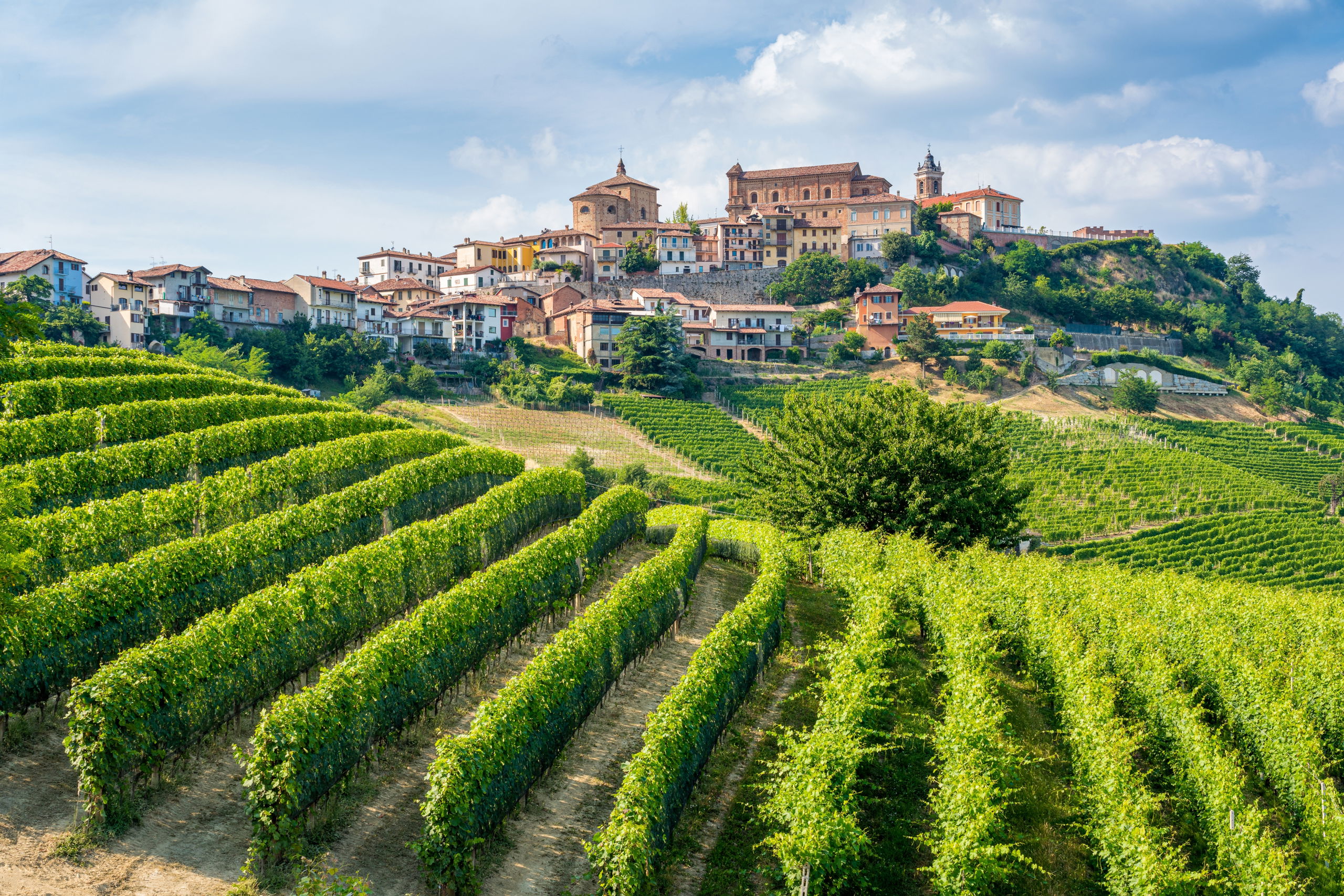
In October, the hills of Piedmont begin to exhale.
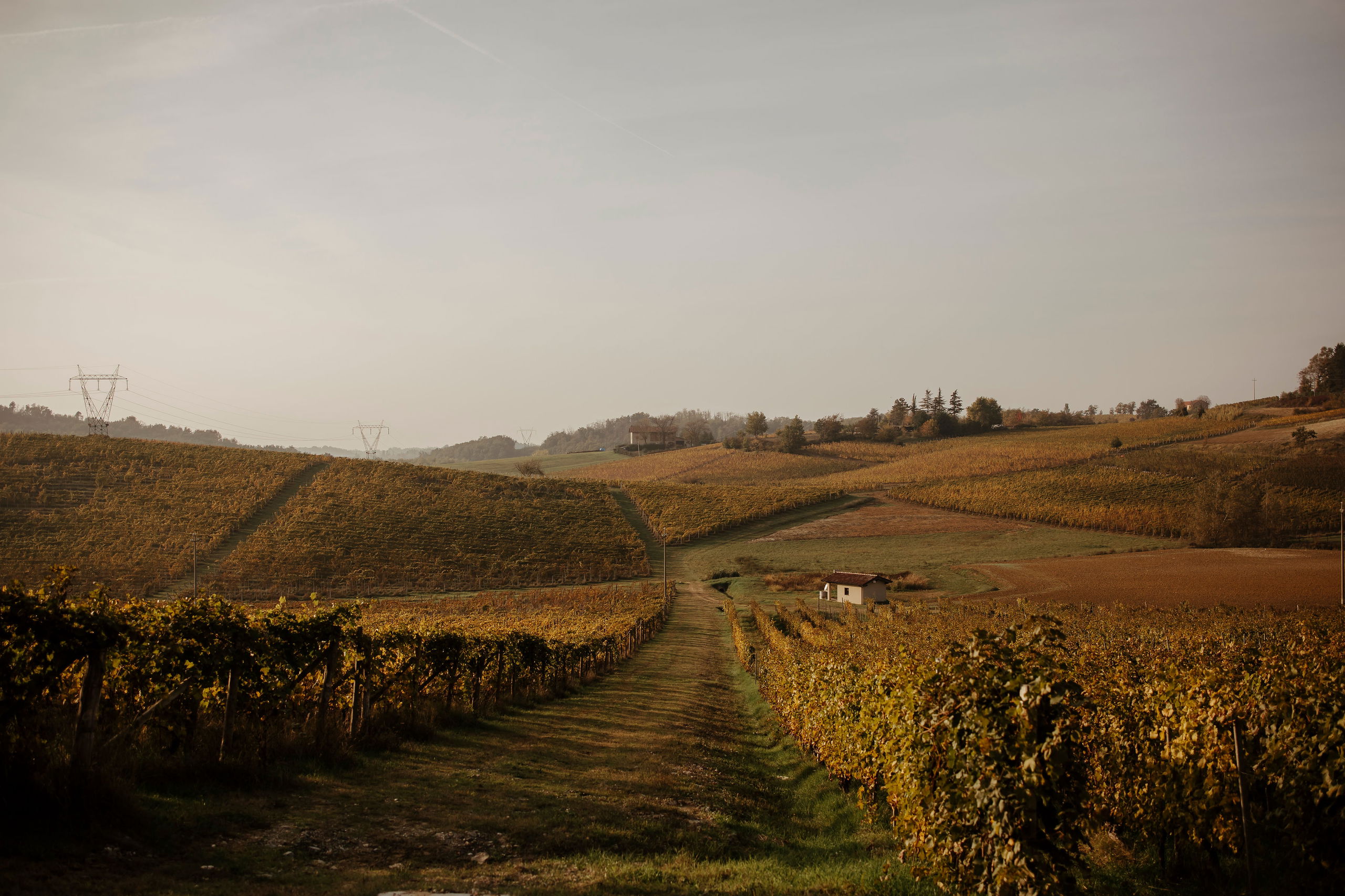
Morning settles low over the Langhe, a pale fog that softens the edges of vineyard rows and muffles the sound of distant tractors. Leaves turn the color of burnished copper. The air carries a faint chill and something else: damp earth, fallen chestnuts, fermenting must drifting from nearby cantine. It is in this hush that truffle season begins.
To understand truffle season in Italy is to understand the relationship between soil and secrecy, between patience and appetite. The white truffle is not planted. It is not cultivated in neat rows like nebbiolo vines or hazelnut trees. It emerges underground, in symbiosis with the roots of oak, poplar, willow, and linden trees, shaped by rainfall patterns, temperature shifts, and the slow negotiations of fungi and forest.
For a few months each year, this quiet alchemy becomes visible.

What Is a Truffle, Really?
A truffle is a subterranean fungus, but unlike mushrooms that push above ground, truffles grow hidden, forming in limestone-rich soils beneath specific trees. Their value lies not only in rarity but in volatility. The compounds that create their sulfurous, musky, faintly garlicky aroma are delicate and fleeting. Once unearthed, a truffle begins to lose its intensity.
The white truffle of Piedmont is particularly elusive. It cannot be farmed in the traditional sense. Attempts at cultivation have met with limited success; even today, most white truffles are foraged rather than grown. Black truffles can be cultivated with greater reliability. But the white truffle remains largely at the mercy of weather and woodland.
When people ask, when is truffle season in Italy? The answer depends on the variety. Black summer truffles appear from May through August. The prized white truffle season, however, runs from early October through late January, with the height of the season typically in November. If the question is when is white truffle season? The months of October and November in Piedmont are the most anticipated. This is when the region shifts.
When Are Truffles in Season?
Seasonality defines truffles more than almost any other ingredient in Italian cooking. Their arrival is brief, and their absence the rest of the year is accepted without complaint. Piedmontese kitchens do not attempt to replicate truffle flavor with oils or extracts. They wait.
White truffle season in Italy officially opens in early October, marked in Alba by the Fiera Internazionale del Tartufo Bianco d’Alba, the International White Truffle Fair. The fair is less spectacle than ritual. In the historic center of Alba, beneath medieval towers and terracotta roofs, vendors present truffles on small white plates. Buyers lean in close, assessing aroma with a seriousness usually reserved for Barolo vintages. The exchange is quiet, almost reverent.
Rainfall in late summer influences the year’s yield. Too dry, and truffles remain small or scarce. Too wet, and quality can suffer. A balanced season produces truffles with dense flesh and pronounced fragrance. For foragers and chefs alike, each autumn is a negotiation with the weather.
The Hunt: Soil, Dog, Silence
Truffle hunting in Piedmont begins before dawn. A trifolau, the traditional truffle hunter, walks into the woods with a trained dog, once a Lagotto Romagnolo, now often a mixed breed selected for scent acuity and calm temperament. Historically, pigs were used, but their appetite for the prize made them less cooperative partners. Dogs, trained patiently from puppyhood, learn to recognize the faint aroma that seeps upward from the soil.
The forest is quiet at that hour. Fallen leaves compress underfoot. The dog moves deliberately, nose low, tail steady. When it detects something, it pauses and begins to paw at the earth. The hunter kneels, gently brushing soil aside with a small spade. The truffle emerges coated in dirt, irregular in shape, pale beige to ochre.
There is no theatrics. No applause. Just the recognition that something rare has been found.
For those traveling to Piedmont during truffle season, participating in a hunt offers more than novelty. It is a lesson in attentiveness. The woods are not backdrop but partner. The act requires patience, restraint, and trust in the dog’s instincts.
On our chef-led journeys through the Langhe, guests walk alongside a seasoned trifolau, listening as he explains how rainfall patterns shift the forest’s generosity, how certain trees yield better finds, how the scent lingers differently depending on soil composition. The truffle itself becomes a point of entry into the ecology of the region.

Why Piedmont?
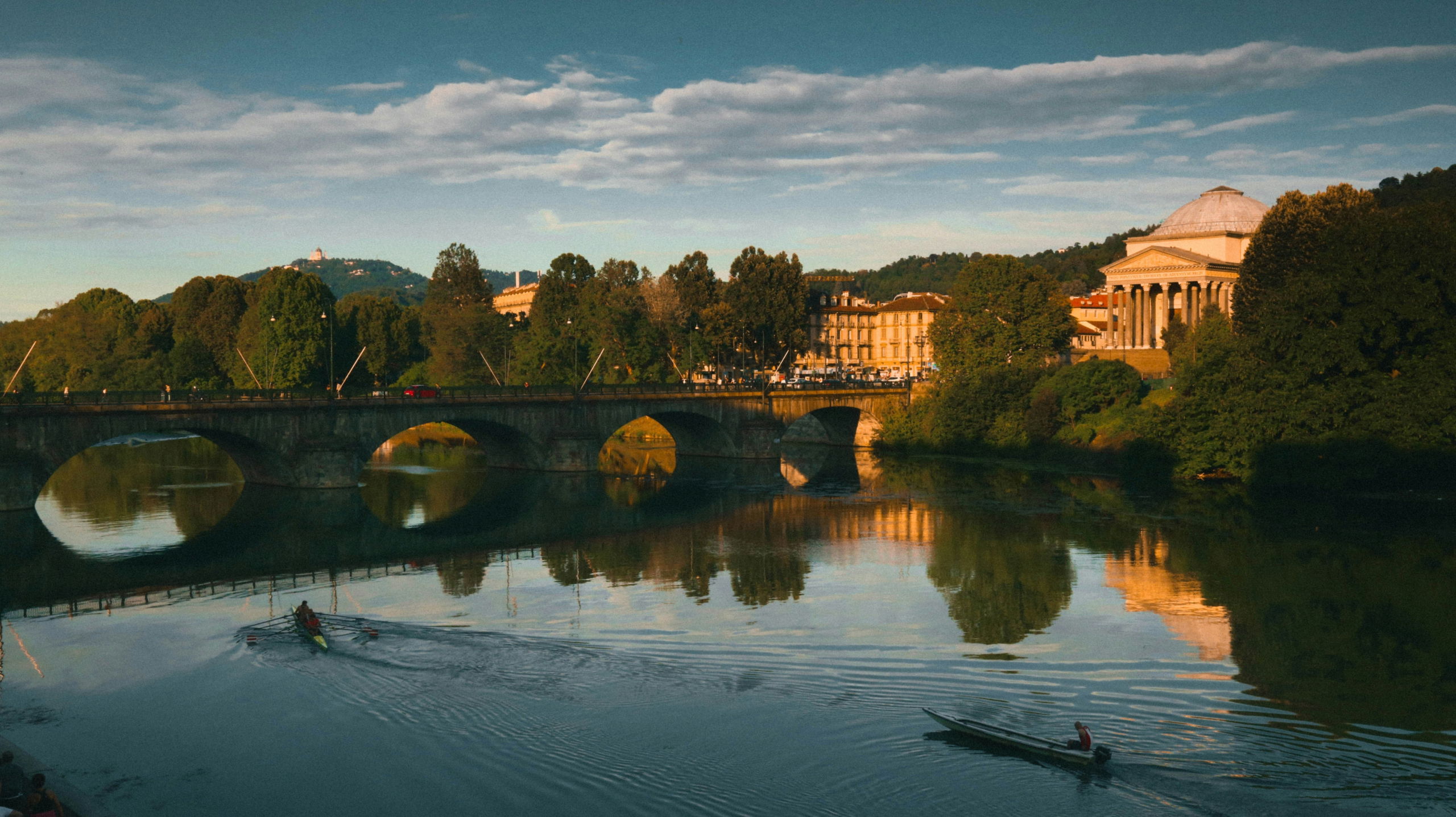
Truffles grow in other parts of Italy, like Umbria, Tuscany, and Le Marche, but Piedmont’s white truffles are widely regarded as the most aromatic. The rolling hills of the Langhe and Roero, with their calcareous soils and temperate climate, create ideal conditions.
This is also a region already defined by agricultural precision. Nebbiolo grapes ripen slowly here, producing Barolo and Barbaresco wines known for structure and longevity. Hazelnuts are cultivated with equal care, forming the base for gianduja and other confections. Cattle raised in these hills yield Fassona beef, served raw as carne cruda with olive oil and a few shavings of truffle in season.
Truffles do not exist in isolation. They sit within a broader culture that prizes specificity of place.
In a small village trattoria, the menu in November might include tajarin—thin, hand-cut egg pasta enriched with yolks—dressed simply with butter and Parmigiano Reggiano, then finished with shaved white truffle. Or perhaps a soft-baked egg served in a porcelain cocotte, the yolk just set, the truffle’s aroma rising as steam escapes.
There is restraint in these dishes. The truffle is not cooked aggressively; heat would mute its fragrance. Instead, it is shaved tableside with a small mandoline, thin slices falling like pale petals.
A Season That Shapes Behavior
When are truffles in season? In Piedmont, autumn becomes an answer not just on a calendar but in behavior.
Restaurants adjust menus weekly depending on supply. Locals debate the quality of the year’s harvest over espresso. Families gather around dishes that appear only in these months. The presence of truffle alters rhythm. Meals stretch longer. Wine pairings become more deliberate.
Even the markets reflect the shift. In weekend markets, alongside radicchio and late figs, you might see a vendor discreetly offering small truffles wrapped in cloth. Buyers lean close, inhaling deeply before committing.
The transience of truffle season in Italy contributes to its cultural weight. Because it cannot be replicated year-round, anticipation builds naturally. When the season ends in January, kitchens pivot. Winter continues with brasati and polenta, with cardoons and cabbage. The absence of truffle is not lamented; it is understood as part of the cycle.
Truffle Season as an Invitation
For travelers drawn to food as a way of reading place, truffle season offers a lens into Piedmont’s character.
The hunt reveals the forest’s role in the region’s economy. The market illustrates how value is assessed through scent and experience rather than branding. The kitchen demonstrates restraint. Even the timing—October through January—aligns with a broader agricultural calendar: grape harvest concluding, cellars busy with fermentation, woodsmoke beginning to drift from chimneys.
To travel here during white truffle season is to encounter a region at a particular register. There is energy, yes, but it is not loud. It hums beneath the surface.
On a chef-led journey through Italy—perhaps alongside a restaurateur like Aldo Zaninotto or award-winning Chef Amy Brandwein—the truffle becomes conversation rather than commodity. In discussions over dinner, guests might consider how migration carried Piedmontese techniques abroad, how seasonal eating resists homogenization, how a single ingredient can anchor identity.
The trip itself unfolds in rhythm with the season. A morning in the forest. An afternoon in a Barolo cellar, tasting vintages shaped by past harvests. An evening in a village trattoria where truffle shavings fall onto plates of pasta as conversation turns to soil, rain, and memory.
This journey is designed for those who find meaning in detail. For travelers who want to understand not just when white truffle season begins, but why it matters.
When Is White Truffle Season, and Why Go Then?
Practically speaking, white truffle season in Italy runs from October through January, with November often considered peak. For those asking, when are truffles in season? The answer depends on variety, but autumn in Piedmont remains the most storied.
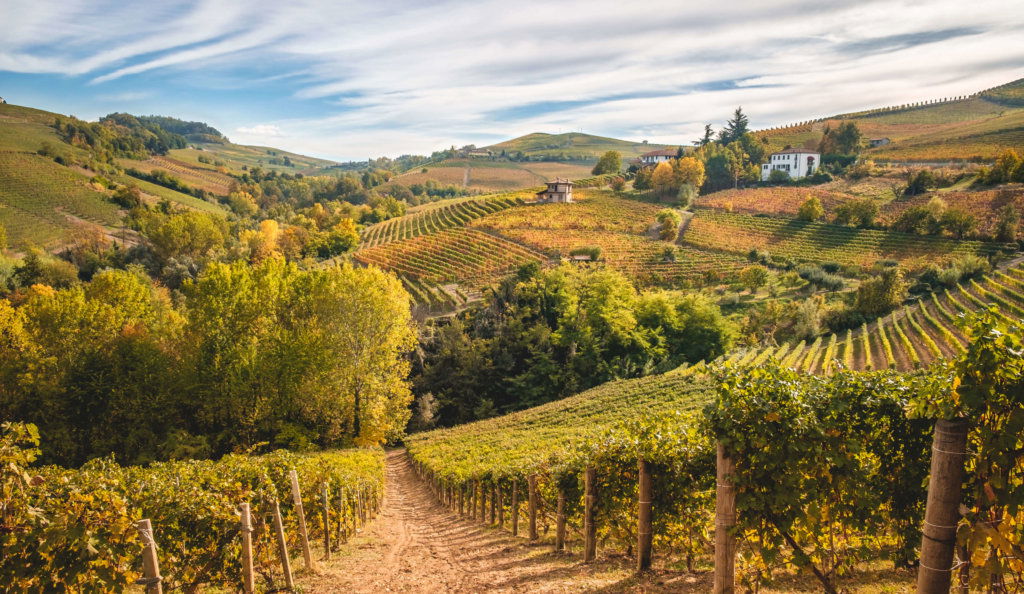
Beyond practicality lies alignment. Autumn brings cooler air, fewer summer crowds, and a landscape tinted gold. Vineyards transition from harvest to rest. Kitchens turn inward. The presence of truffle threads through the region’s daily life.
Traveling during truffle season is less about checking a date on a calendar and more about stepping into a specific moment in time. It is about tasting something that cannot be stored, cannot be rushed, and cannot be replicated elsewhere with the same resonance.
For those drawn to that kind of temporality—for those who prefer depth to spectacle—Piedmont in autumn offers a quiet invitation.
The hills are waiting. The dogs are already listening to the ground.
Piedmont with Aldo Zaninotto