Why Is Mount Etna Wine So Special?

On the slopes of Europe’s most active volcano, Sicily’s winemakers are cultivating something extraordinary. The story begins beneath the soil.
Mount Etna wine is distinguished by its volcanic soils, dramatic changes in elevation, indigenous grape varieties, and centuries-old winemaking traditions. These wines reflect an unusually complex landscape, where vineyards grow among ancient lava flows and the Mediterranean Sea influences the climate.
For wine lovers, Etna offers a compelling study in terroir. A single grape variety can express itself differently depending on the altitude, exposure, and geological history of the vineyard where it grows. The result is a collection of wines that challenge familiar assumptions about Sicilian wine, favoring freshness, structure, and remarkable nuance.
To understand what makes Mount Etna wine special, it helps to begin with the mountain itself.
A Living Volcano, a Living Vineyard
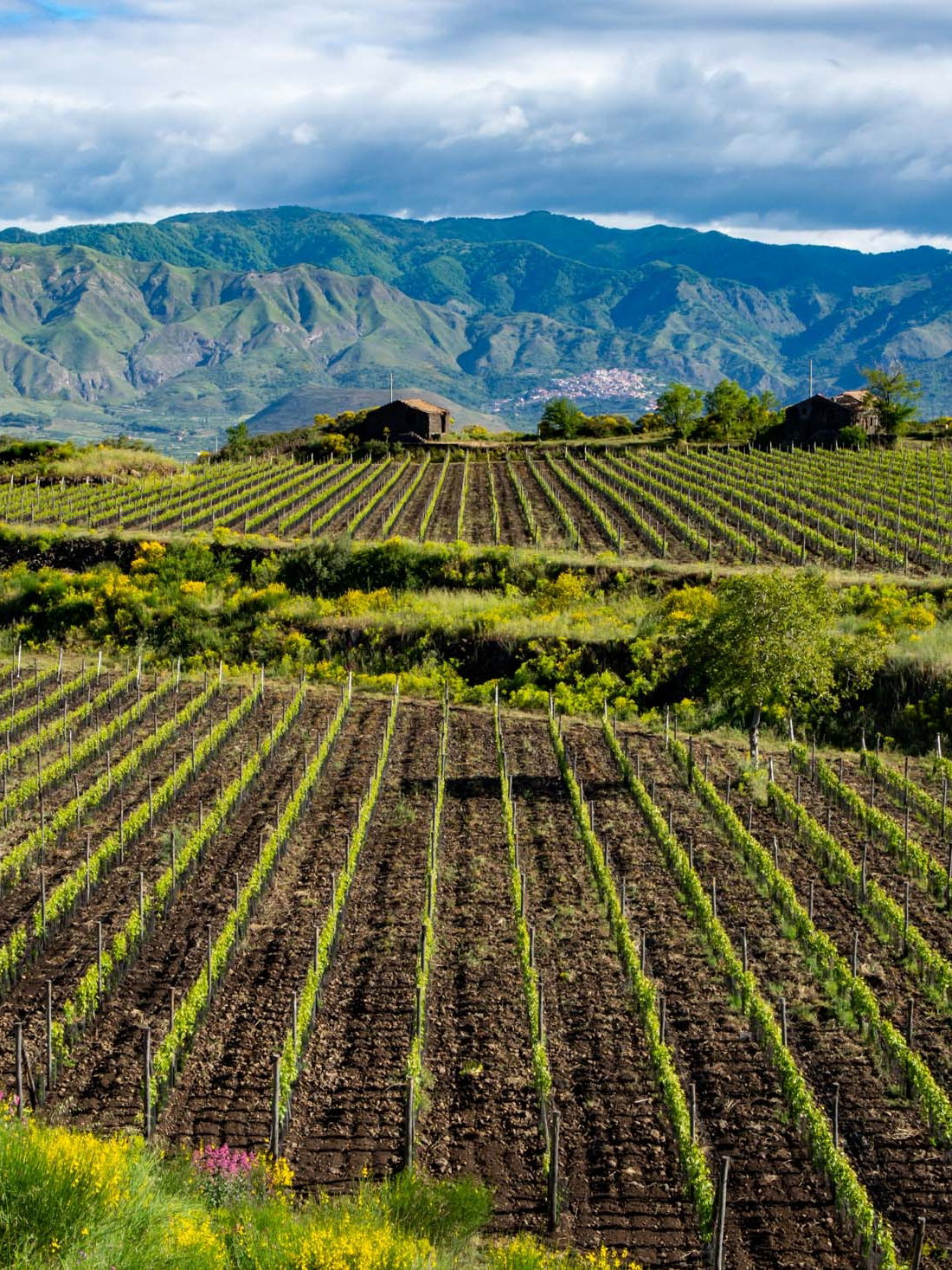
Mount Etna rises above eastern Sicily, its summit frequently veiled in clouds and, at times, a plume of volcanic smoke. Below, terraced vineyards climb the mountain’s flanks, interrupted by old stone walls and stretches of hardened black lava.
Etna has been shaping this landscape for hundreds of thousands of years. Each eruption leaves its mark, creating new geological formations while transforming existing agricultural land. Some vineyards occupy soils derived from relatively recent volcanic deposits. Others grow on terrain shaped by much older eruptions, weathered over centuries into different textures and compositions.
This geological diversity is central to Etna’s identity as a wine region.
Volcanic soils are often porous and relatively free-draining, encouraging vines to develop extensive root systems in search of moisture. Their mineral composition varies considerably across the mountain, as does the depth and texture of the soil.
The connection between volcanic geology and wine is more complex than the suggestion that vines simply absorb a mineral flavor from the earth. Soil influences drainage, vine vigor, water availability, and ultimately grape development. The sensory characteristics of the finished wine emerge through the interaction of these conditions with climate, grape variety, and the decisions of the winemaker.
On Etna, those interactions can change over remarkably short distances.
Why Elevation Matters for Mount Etna Wine
Sicily is often associated with abundant sunshine and a warm Mediterranean climate. Yet vineyards on Mount Etna experience conditions that can feel markedly different from those along the coast.
Many of the region’s vineyards grow hundreds of meters above sea level, with some of the highest planted sites approaching or exceeding 1,000 meters.
At these elevations, temperatures are generally cooler, particularly at night. The difference between daytime warmth and nighttime temperatures helps grapes retain acidity as they ripen. This is especially important in Sicily, where heat can otherwise encourage rapid sugar accumulation and lower acidity.
Etna’s growing season is also shaped by the mountain’s orientation. Eastern vineyards receive the influence of the nearby Ionian Sea, while northern and western slopes experience different patterns of sunlight, wind, and precipitation. A vineyard facing the morning sun may develop grapes differently from one exposed to stronger afternoon heat. Even neighboring parcels can produce wines with distinct characteristics. The mountain creates a series of microclimates, each offering its own interpretation of the same landscape.
The Indigenous Grapes Behind Etna’s Wines
Although Sicily grows a wide range of grape varieties, Mount Etna’s reputation rests largely on several indigenous grapes that have adapted to the mountain’s particular conditions.
Nerello Mascalese: The Heart of Etna Rosso
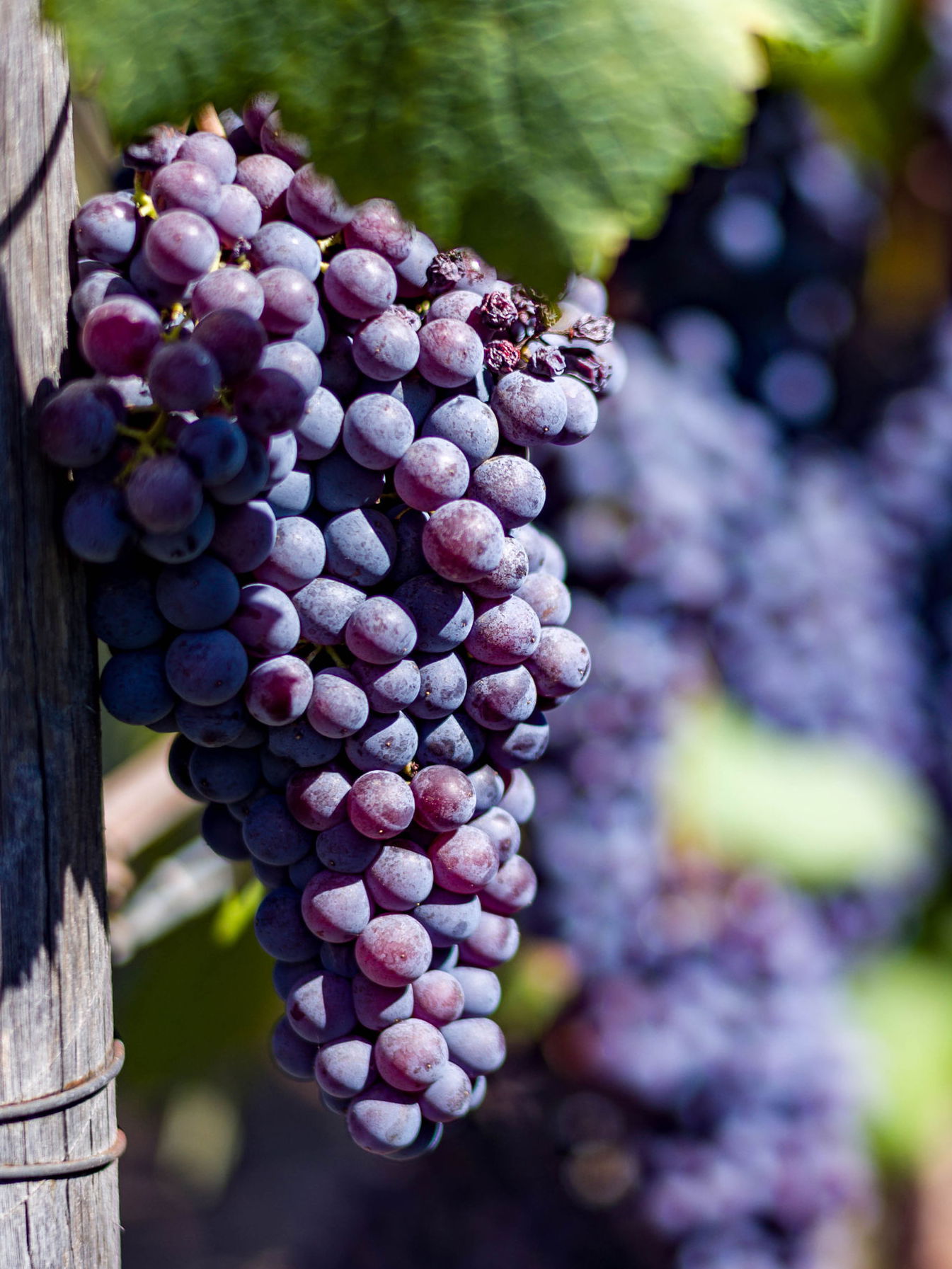
Nerello Mascalese is the principal red grape associated with Etna. Named for the area around Mascali on the volcano’s eastern slopes, the variety produces wines that often combine delicate color with considerable structure. Etna Rosso, the region’s best-known red wine, is frequently characterized by red cherry and other red-fruit notes, floral aromas, lively acidity, and firm but refined tannins. Depending on the vineyard and winemaking approach, it may also develop savory, herbal, or earthy qualities.
The wines are sometimes compared with Pinot Noir or Nebbiolo because of their relative transparency of color and their ability to express subtle differences in growing conditions. Yet Nerello Mascalese has a character entirely its own. Its appeal lies partly in this tension between delicacy and strength. A glass can appear almost translucent, then reveal a structure capable of evolving over years in the cellar.
Nerello Cappuccio: A Supporting Role
Nerello Cappuccio is another traditional red variety grown on Etna. Often blended with Nerello Mascalese, it can contribute color, fruit, and softness to the finished wine. While it generally plays a secondary role in Etna Rosso, its presence reflects the region’s longstanding tradition of cultivating complementary grape varieties.
Carricante: The Distinctive White Grape of Etna
Etna Bianco is most closely associated with Carricante, an indigenous white grape particularly important on the mountain’s eastern slopes. Carricante is known for its naturally high acidity and its ability to produce wines with freshness, citrus character, and considerable aging potential. Young examples may suggest lemon peel, green apple, and white flowers. With time, some develop greater complexity, including notes reminiscent of honey, herbs, or toasted nuts. The grape’s acidity makes it especially well suited to the mountain’s cooler vineyard sites. For travelers accustomed to Sicily’s fuller-bodied white wines, Carricante offers a different perspective on the island’s winemaking traditions.
Ancient Vines and the Persistence of Tradition
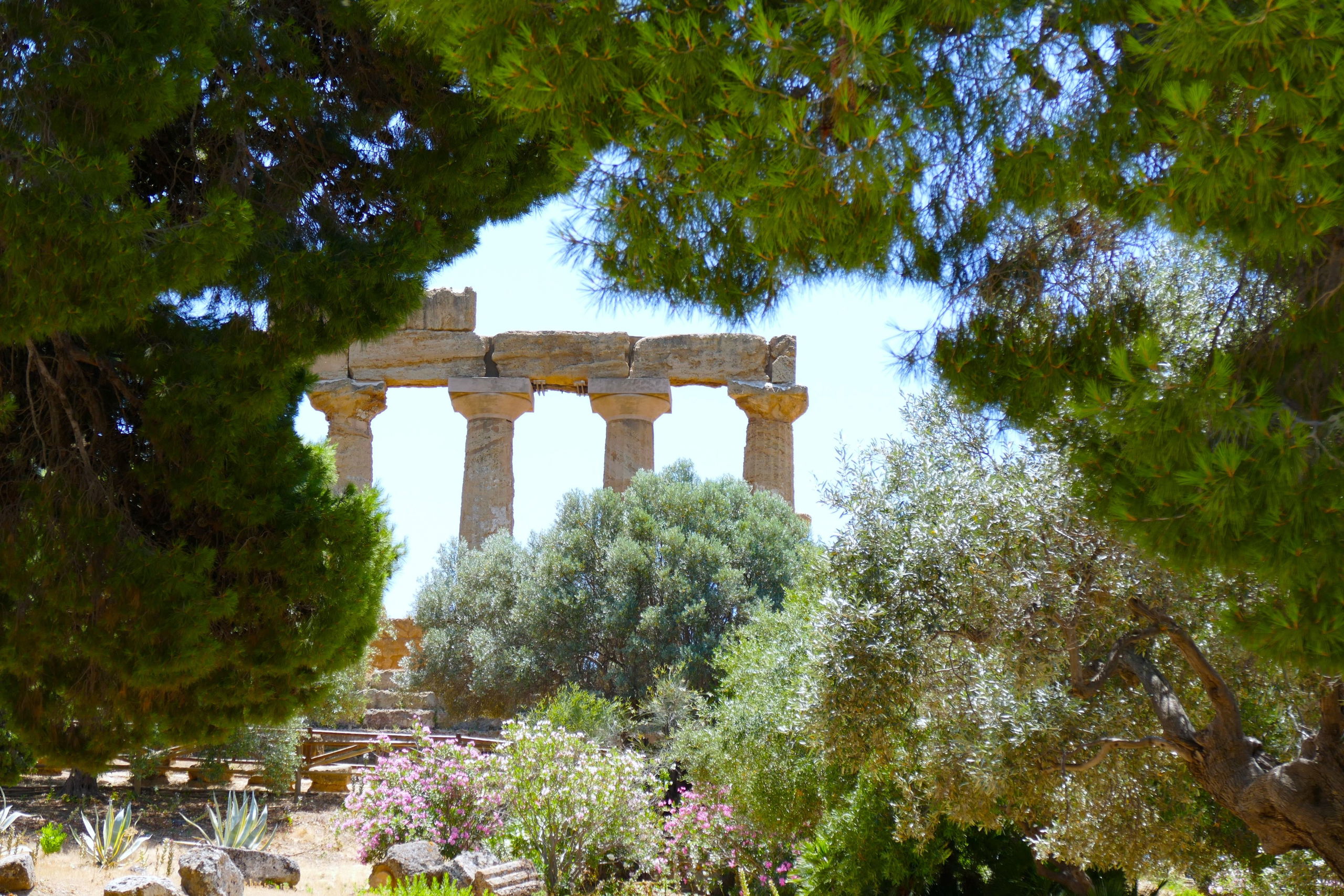
Etna’s viticultural history stretches back to antiquity. Greek colonists helped establish wine production across Sicily, building upon an agricultural landscape that would continue to evolve through Roman, medieval, and modern periods. The mountain’s vineyards have experienced periods of prosperity and decline, shaped by changing markets, agricultural challenges, and the recurring threat of volcanic activity.
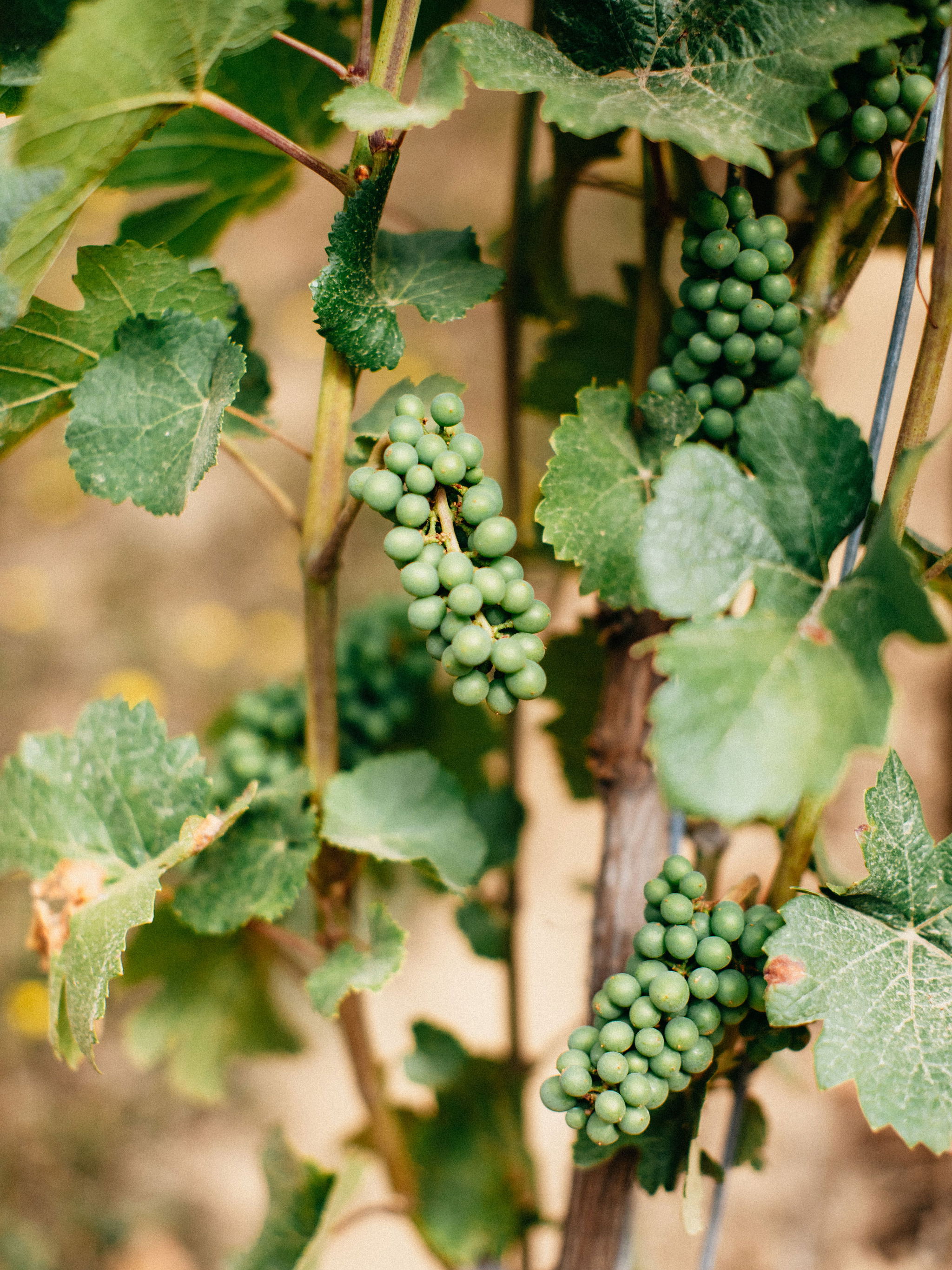
Today, some of Etna’s most remarkable vineyards contain vines that are many decades old, with certain surviving plantings dating back more than a century. Some traditional vineyards are planted using the alberello method, in which individual bush vines are trained close to the ground. This labor-intensive system allows growers to manage vines individually, particularly on steep or irregular terrain where mechanization is difficult. In older vineyards, the sight of these gnarled vines emerging from dark volcanic earth is a reminder of the physical work behind every harvest.
Stone terraces and dry-stone walls speak to generations of farmers who cultivated the mountain long before its wines attracted international attention. Etna’s contemporary reputation has brought renewed investment to the region, including the restoration of neglected vineyards and traditional agricultural structures. The revival has also encouraged greater attention to indigenous varieties and site-specific winemaking.

The Relationship Between Mount Etna Wine and Sicilian Cuisine
Wine rarely tells the complete story of a place without its food.
Sicilian cuisine reflects centuries of cultural exchange, with Greek, Arab, Norman, and Spanish influences contributing to the island’s culinary traditions.
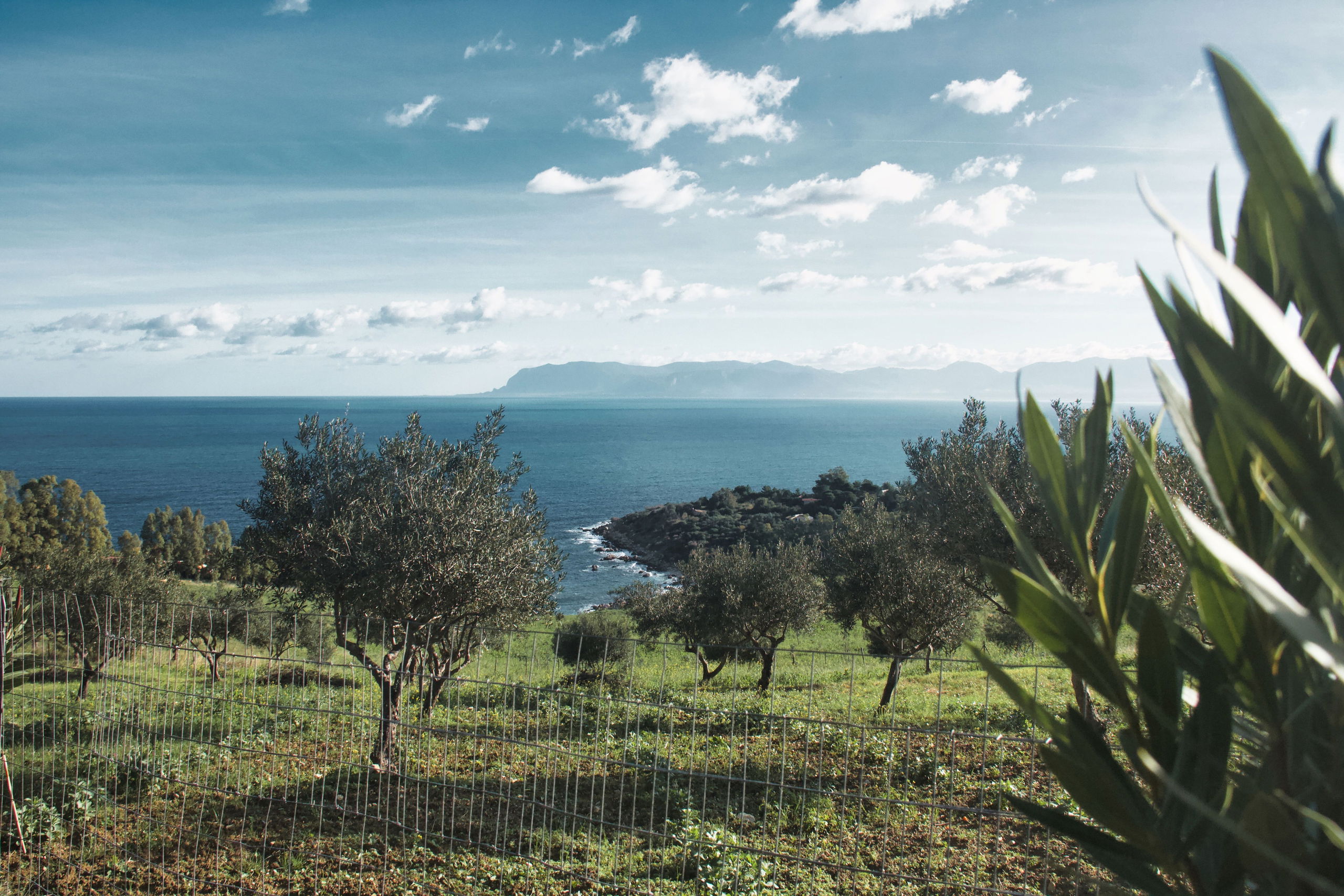
Around Etna, the mountain’s fertile agricultural landscapes support orchards, olive groves, and vineyards. Local cooking draws from these ingredients while remaining connected to the broader traditions of eastern Sicily.
Pistachios from the Bronte area, citrus grown along the island’s eastern coast, and vegetables cultivated in volcanic soils all contribute to the regional table. The wines offer natural companions to these flavors.
Etna Bianco’s acidity can complement seafood, particularly preparations featuring lemon, olive oil, and fresh herbs. Its structure also makes it suitable for richer fish dishes.
Etna Rosso, meanwhile, pairs well with roasted meats, mushrooms, and dishes featuring eggplant or tomato. Consider pasta alla Norma, the Catania-associated dish of pasta with fried eggplant, tomato sauce, basil, and salted ricotta. A carefully chosen Etna Rosso can provide enough acidity to meet the tomato while complementing the dish’s savory richness. The pairing offers a small but meaningful expression of regional identity. The ingredients and the wine belong to the same cultural landscape.
Experiencing Mount Etna Through Wine
A vineyard visit on Etna begins with the mountain. The air can grow noticeably cooler as the road climbs above the coast. Dark volcanic stone appears beside the vines. Across the slopes, old agricultural buildings and terraces reveal the long history of farming here.
A tasting becomes more meaningful when accompanied by the people who understand the land: growers who can explain the history of a particular parcel, winemakers who have worked through difficult harvests, and local cooks who know which wines belong beside the region’s traditional dishes. The best encounters allow time for these conversations.
At Modern Adventure, our journeys through Sicily approach wine as part of a larger cultural story. Regional cuisine, local producers, and the people who preserve culinary traditions offer a way to understand the island beyond its celebrated landscapes. For travelers seeking a more personalized experience, our Private Travel team can also design a journey around Sicily’s wine regions, culinary heritage, and the particular interests that make a destination meaningful.
Mount Etna wine rewards this kind of attention. Its character comes from a mountain that continues to change, a history of cultivation that spans generations, and winemakers who have learned to work with both. Every vintage is another interpretation of the same extraordinary terrain.