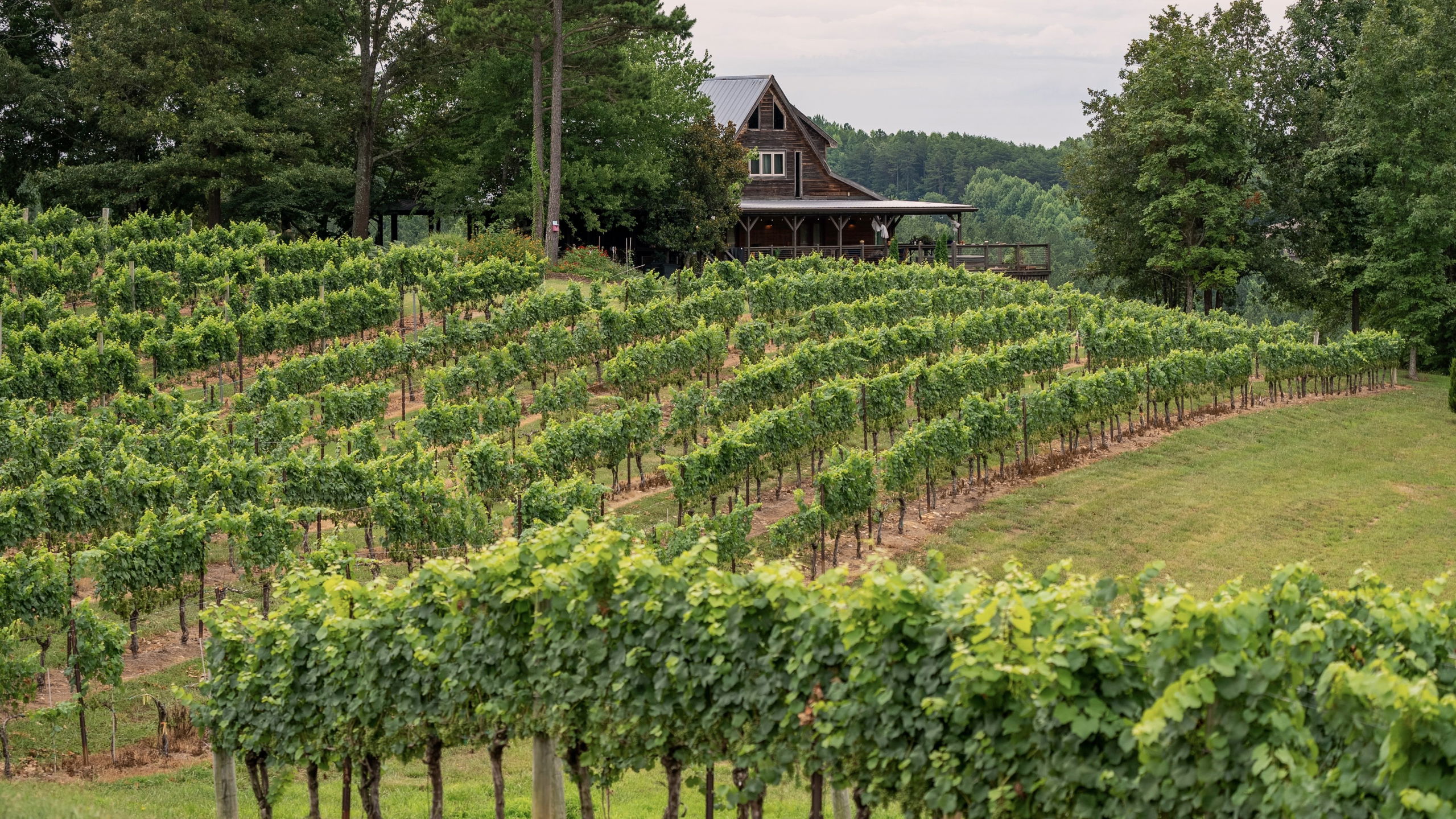
Unexpected Wine Regions: 13 Wine Destinations Worth Traveling For
There are wine trips built around names you already know: Burgundy and Barolo, Napa and Champagne. Then there are places where ordering a bottle can redraw your understanding of where wine belongs. Vines climb Himalayan foothills in southwestern China. Indigenous grapes are returning to vineyards in Albania. In Idaho, rows of Syrah grow above the ancient bed of a vanished lake. Outside the Moroccan city of Meknès, wine country shares the landscape with Roman ruins and the olive groves of Mount Zerhoun.
For travelers interested in wine as an expression of geography and culture, these lesser-known wine destinations offer something particularly compelling. A glass becomes a way into a larger story of migration and trade, geology and climate, and food traditions that have developed alongside the vines.
Here are 13 wine regions worth considering for your next wine trip.
The Balkans: Old Wine Cultures Finding New Audiences
Wine has been made across southeastern Europe for millennia, yet much of the Balkans remains unfamiliar territory to American wine drinkers. Native varieties, small producers and landscapes shaped by centuries of cultural exchange make the region particularly rewarding to encounter in person.
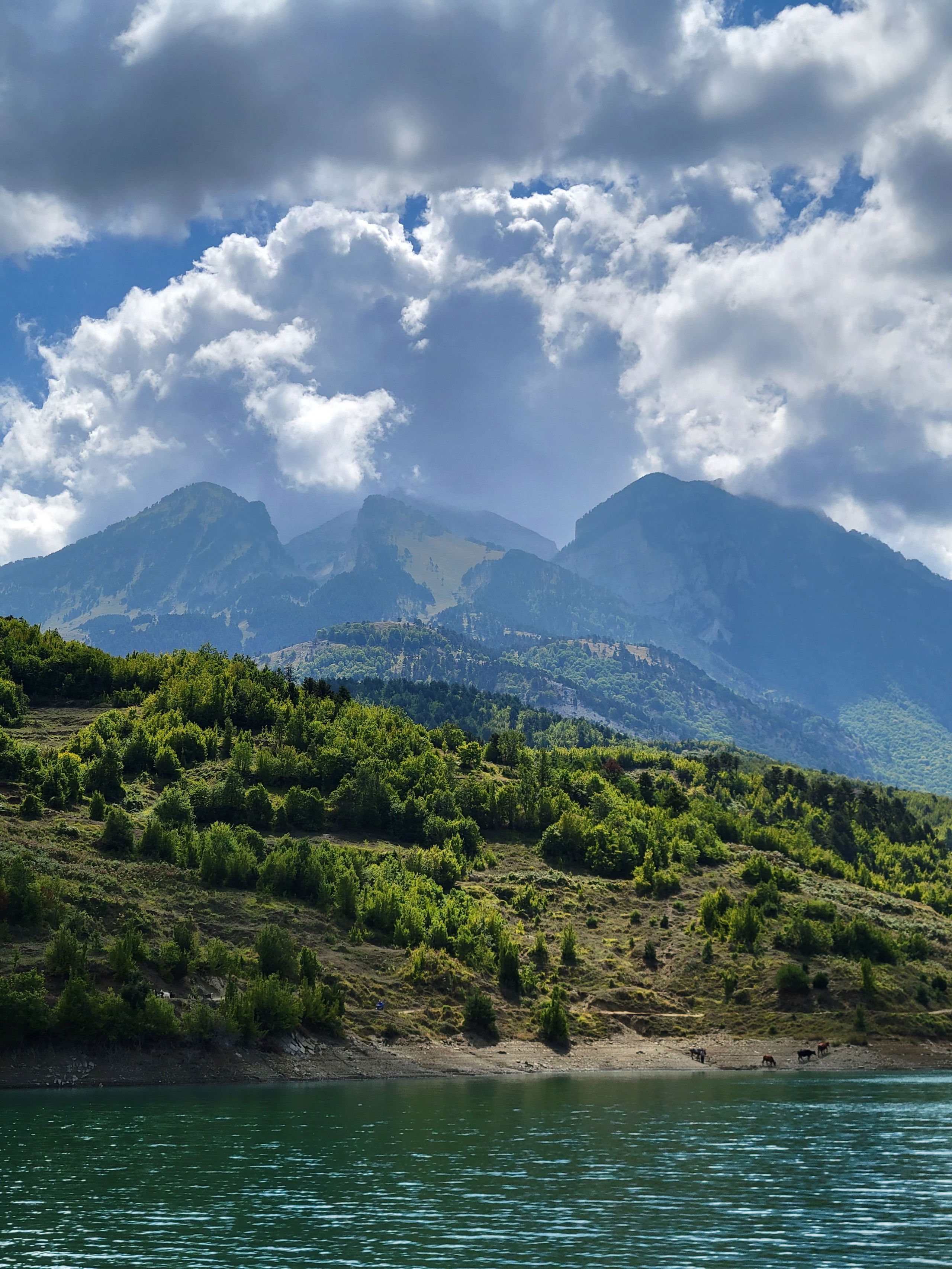
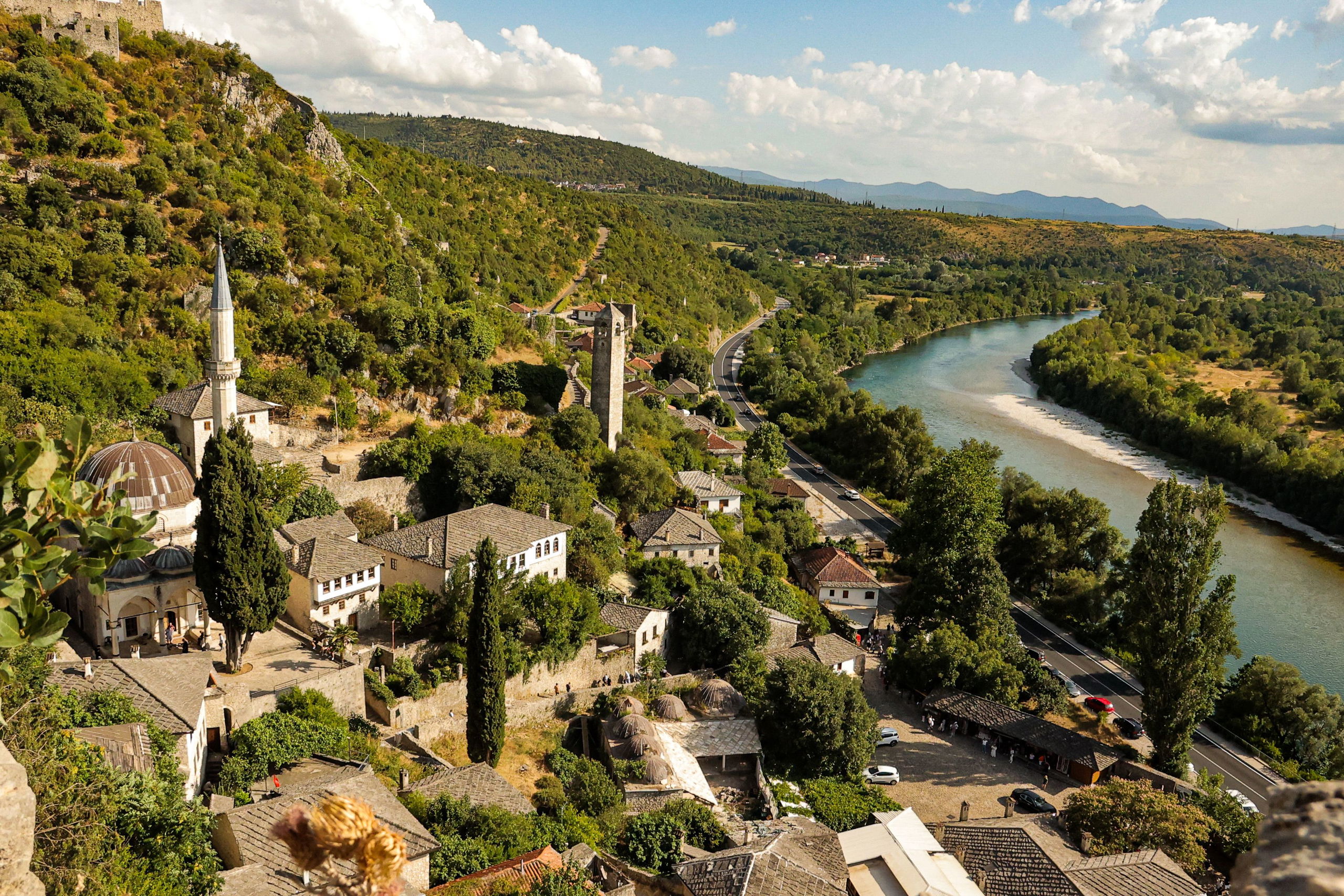
Berat, Albania
Albania’s wine history stretches back thousands of years, though decades of political isolation kept much of its modern wine culture beyond the attention of international drinkers.
Around Berat, vineyards in the country’s central hills are part of a renewed interest in indigenous grapes such as Pulës and Shesh. These are wines that rarely appear on American lists, best understood close to the soil and people producing them.
The setting adds another dimension. White Ottoman houses seem to stack one above another on Berat’s hillside, beneath a castle whose walls hold churches, mosques and centuries of layered history. Here, a wine trip becomes part of a larger introduction to an ancient culture finding new ways to tell its story.
Istria, Croatia
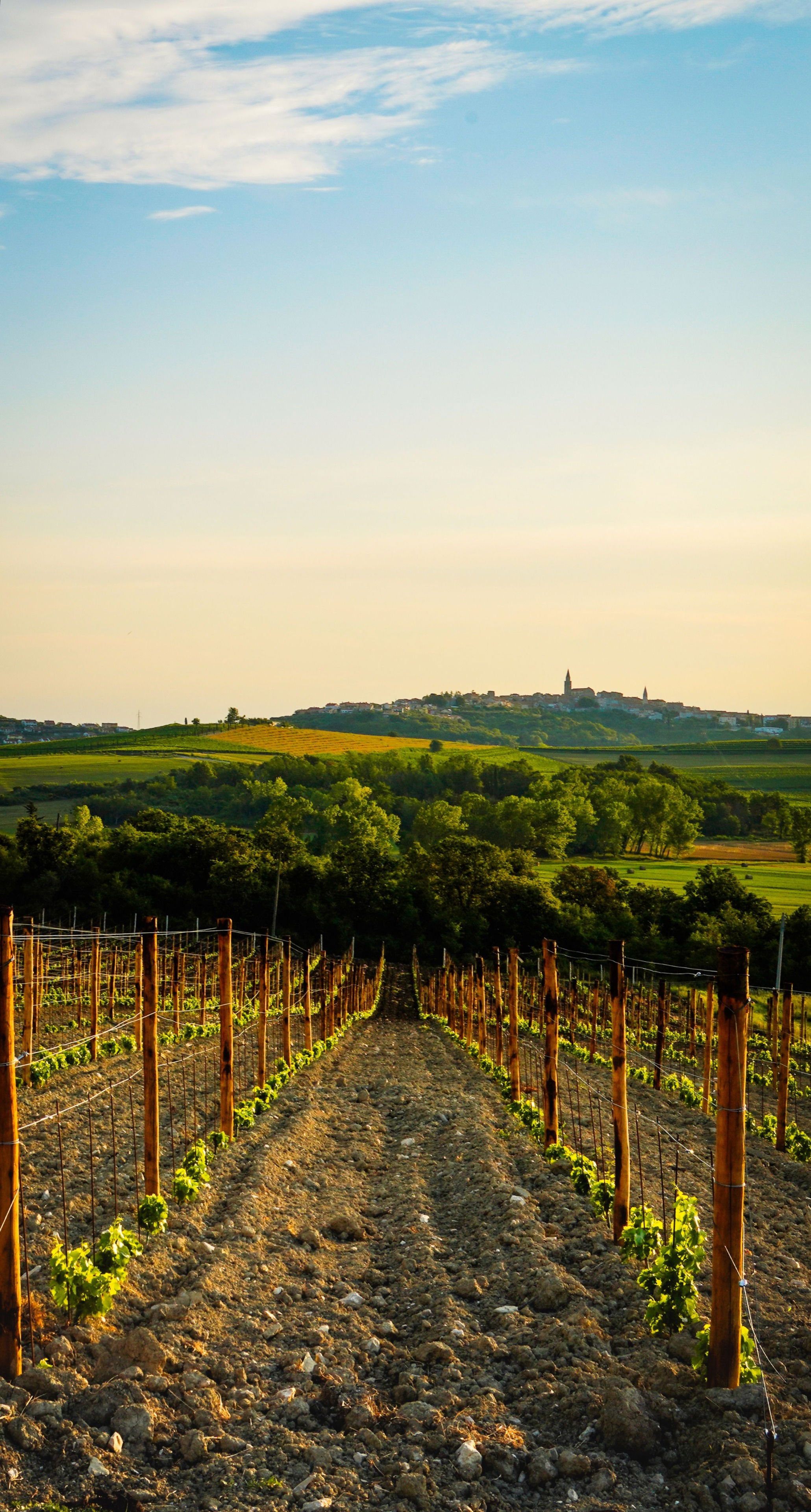
Istria reaches into the Adriatic at Croatia’s northwestern edge, but turn inland from the coast and the landscape changes quickly. Vineyards run toward medieval hill towns, olive trees grow in red earth, and roads curl through forests known for white truffles.
The peninsula’s signature white grape is Malvazija Istarska, while the red Teran has equally deep roots in the region. Soils range from the terra rossa associated with coastal Istria to paler clay inland, creating subtle variations within a relatively compact wine region.
Wine also remains firmly attached to the table. A chilled Malvazija beside fish from the Adriatic or a glass of Teran with handmade fuži pasta makes the relationship between vineyard, kitchen and landscape immediately legible.
Tikveš, North Macedonia
The Vardar River runs south through North Macedonia toward the Aegean, passing one of the Balkans’ historic centers of viticulture along the way.
In Tikveš, Mediterranean air moves north through the Demir Kapija gorge while the nearby mountains bring cooler influences to the vineyards. Among the grapes grown here, Vranec is particularly important because it’s a dark-skinned variety capable of producing deeply colored, structured reds and closely associated with the wine cultures of the Balkans.
The region also sits within a much older human landscape. The archaeological site of Stobi preserves the remains of a city that flourished under Roman rule, making it possible to move between contemporary cellars and evidence of civilizations that cultivated these lands centuries earlier.
North America: A Wine Trip Beyond California
Some of the most interesting American wine destinations sit well outside Napa and Sonoma. Different elevations, soils, and climatic extremes have encouraged growers to experiment, often with grapes better associated with Europe than the United States.
Texas Hill Country
West of Austin, the landscape loosens into limestone hills, oak trees, and ranchland. Around Fredericksburg and Stonewall, it has also become one of the centers of Texas wine.
Tempranillo and grapes associated with warmer Mediterranean regions have found an audience here, but what makes a Texas Hill Country wine trip interesting is how little the destination resembles a transplanted version of California wine country.
Fredericksburg’s German heritage remains visible in its architecture and kitchens. Barbecue smoke drifts from roadside pits. Live music is rarely far away. The vineyards belong to that particular cultural landscape, giving wine travelers plenty to consider after the last tasting of the afternoon.
Snake River Valley, Idaho
Idaho is unlikely to be the first place that comes to mind when planning a wine trip. Its geography makes a convincing argument for reconsideration.
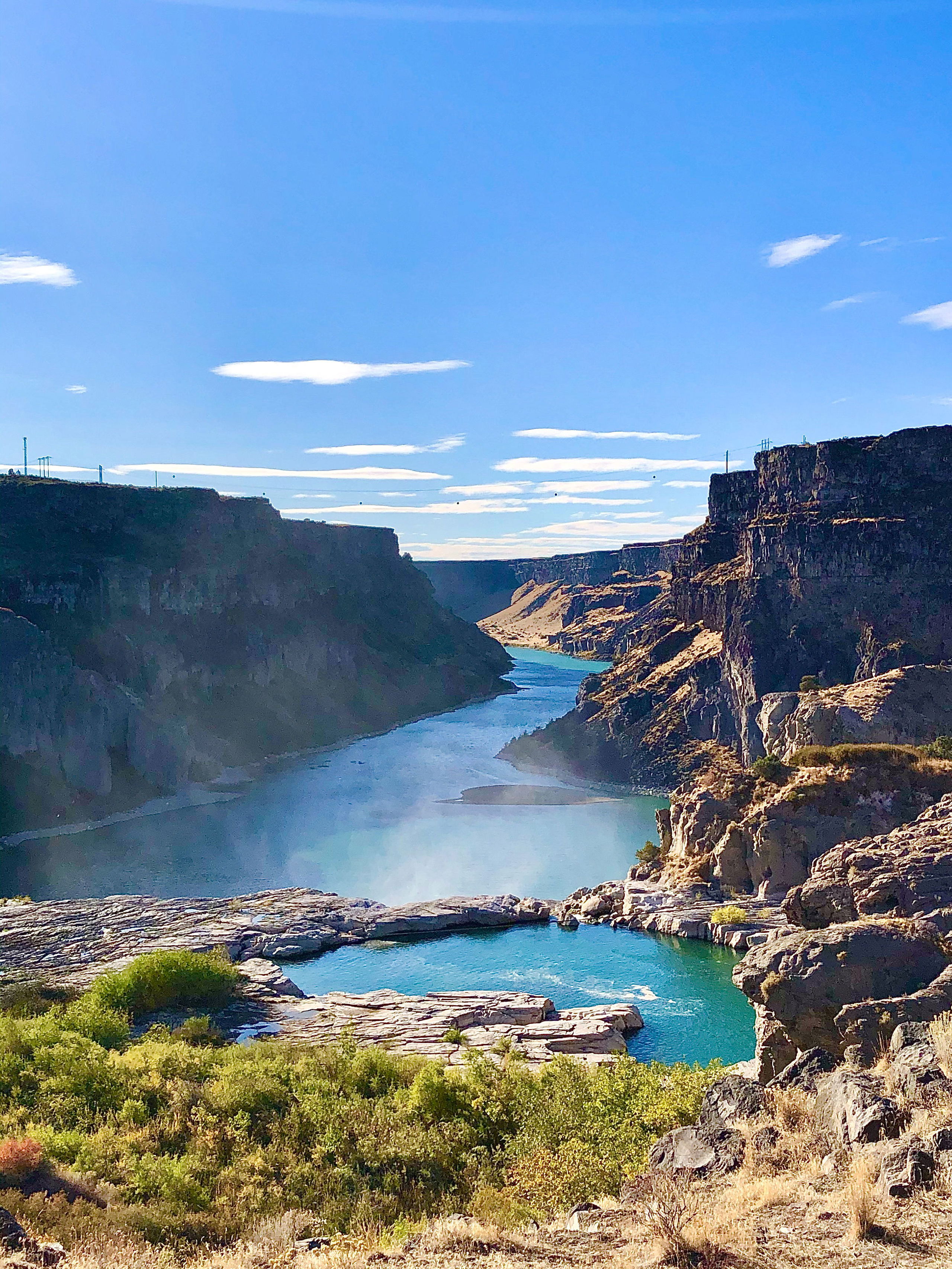
The Snake River Valley occupies high-desert country in southwestern Idaho, where vineyards grow in soils influenced by volcanic activity and the sediments of ancient Lake Idaho. Hot summer days can be followed by sharply cooler nights, helping grapes retain acidity as they ripen.
Producers work with everything from Syrah to aromatic whites and sparkling wine, and the region still feels young enough to accommodate experimentation. For curious drinkers, that sense of a wine identity still being written is part of the pleasure.
Shenandoah Valley, Virginia
Between the Blue Ridge and Allegheny Mountains, Virginia’s Shenandoah Valley unfolds through working farms, small towns and vineyards tucked into the folds of the landscape.
The valley is relatively dry by Virginia standards, while variations in elevation and soil give growers room to work with a broad collection of grape varieties. The result is a wine destination that rewards a slower road trip rather than a tightly scheduled tasting circuit.
Staunton and the surrounding countryside offer their own reasons to linger, while Shenandoah National Park places mountain trails within reach of the vineyards. Wine here feels like one component of an agricultural landscape rather than an industry existing apart from it.
Finger Lakes, New York
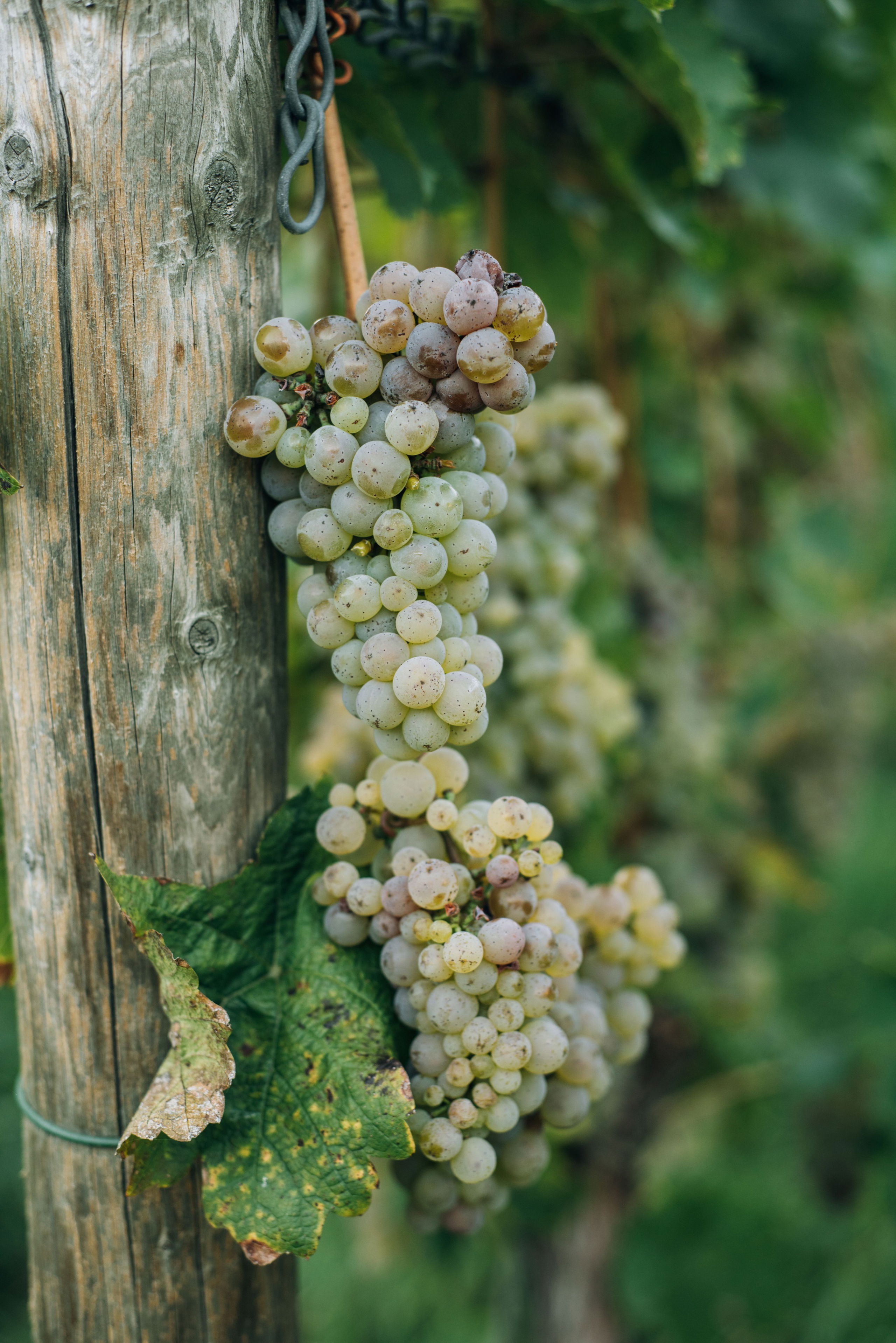
Riesling may have made the Finger Lakes famous among American wine drinkers, but the story begins with ice. Glaciers carved the region’s long, narrow lakes thousands of years ago. Their extraordinary depth allows the water to absorb and release heat gradually, moderating temperatures in vineyards planted along the surrounding slopes. Those conditions have proved particularly hospitable to Riesling and other cool-climate varieties.
The same geology that makes the wine possible also shapes the journey. Waterfalls cut through shale gorges, vineyards descend toward blue water and small towns punctuate the roads between lakes. Understanding the wine means looking out the cellar door.
China: One of the World’s Most Intriguing Emerging Wine Destinations
China is already an important player in the global wine industry, yet its wine regions remain remarkably unfamiliar to many international travelers. That is beginning to change. Chinese wines have earned increasingly serious international recognition, including major awards at the Decanter World Wine Awards. More interesting for the traveler is the sheer geographical range involved. China’s vineyards stretch from desert margins to maritime peninsulas and Himalayan foothills.
Ningxia
At the eastern base of the Helan Mountains, vineyards rise from an arid landscape along the edge of the Gobi Desert. Ningxia has become the most internationally visible face of Chinese fine wine, particularly for Cabernet-based reds. Its modern industry is young compared with those of Europe, but significant investment and international recognition have transformed the region over the past two decades.
The physical setting is equally memorable. Mountains form a hard line against open desert skies, while irrigation allows vines to survive in a landscape where agriculture can initially seem improbable. For travelers accustomed to the green hills of European wine country, Ningxia offers a radically different visual vocabulary.
Shandong
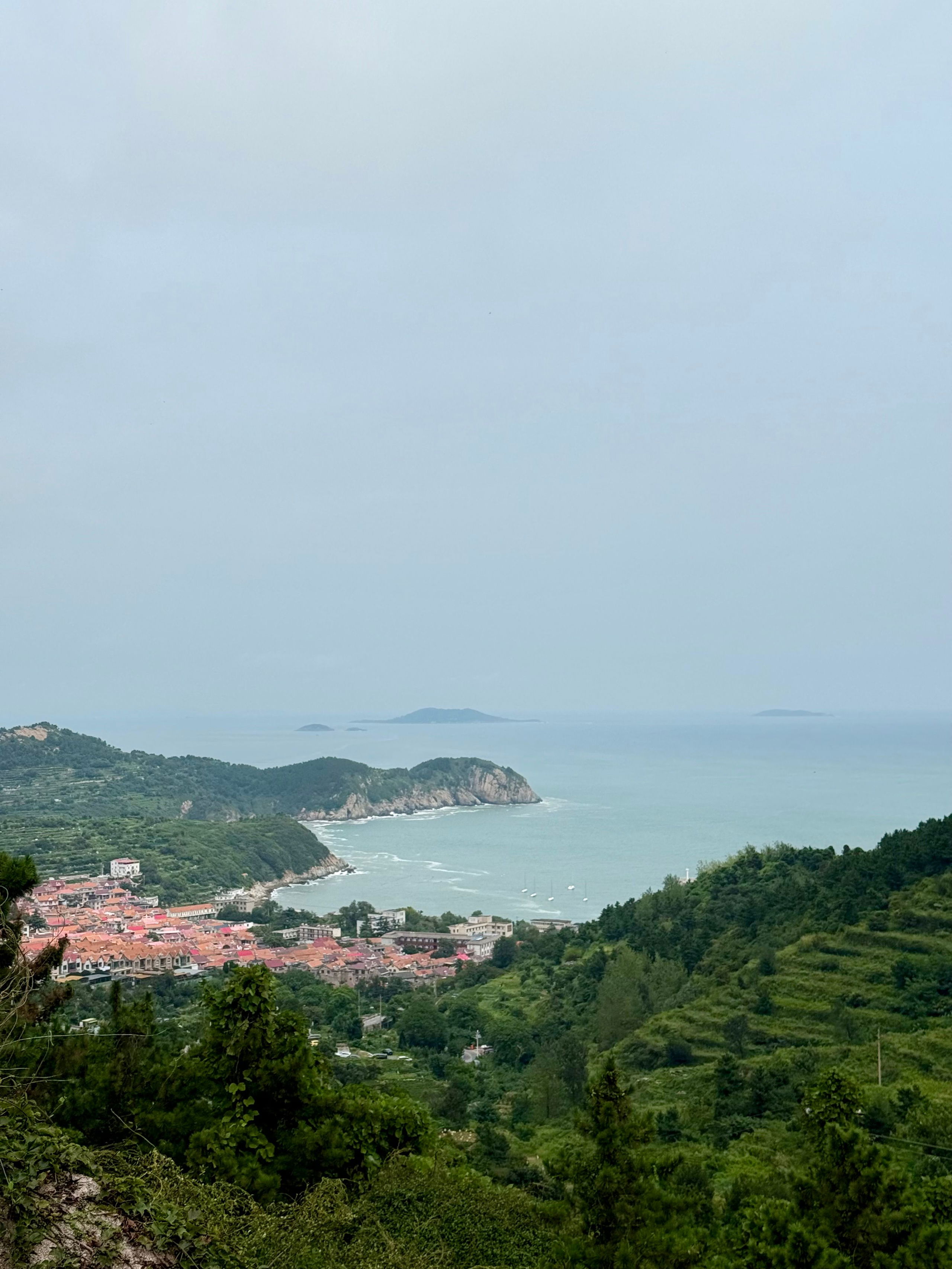
On the opposite side of the country, Shandong tells another story entirely. The province’s wine country extends around Yantai and Penglai on the Shandong Peninsula, where proximity to the Yellow Sea creates a maritime climate. Humidity brings challenges unfamiliar to the desert vineyards of Ningxia, and producers have developed viticultural approaches suited to those conditions.
Shandong is also deeply connected to the development of China’s modern commercial wine industry. A visit offers the chance to see historic producers alongside contemporary estates, all within a coastal region whose seafood traditions provide a natural companion to the local wines.
Yunnan
Few wine destinations have a landscape quite like northwestern Yunnan. Near the Tibetan Plateau, vineyards climb river valleys through the Hengduan Mountains, with some vines growing more than 2,000 meters above sea level. Cabernet Sauvignon and other international varieties are cultivated at elevations that would be exceptional in most of the wine world.
Wine is only one thread in an extraordinarily complex cultural landscape. Tibetan communities have farmed these valleys for generations, while Yunnan more broadly is known for tea, wild mushrooms and remarkable biological diversity. A wine trip here is ultimately about altitude, agriculture and the ways people have learned to work within a demanding mountain environment.
Shanxi
Shanxi offers yet another interpretation of contemporary Chinese wine. Producers including Grace Vineyard have helped establish the province’s reputation, working with Cabernet Sauvignon, Merlot and Marselan. The latter grape has become particularly interesting in China, where producers have increasingly made it part of the country’s evolving wine identity.
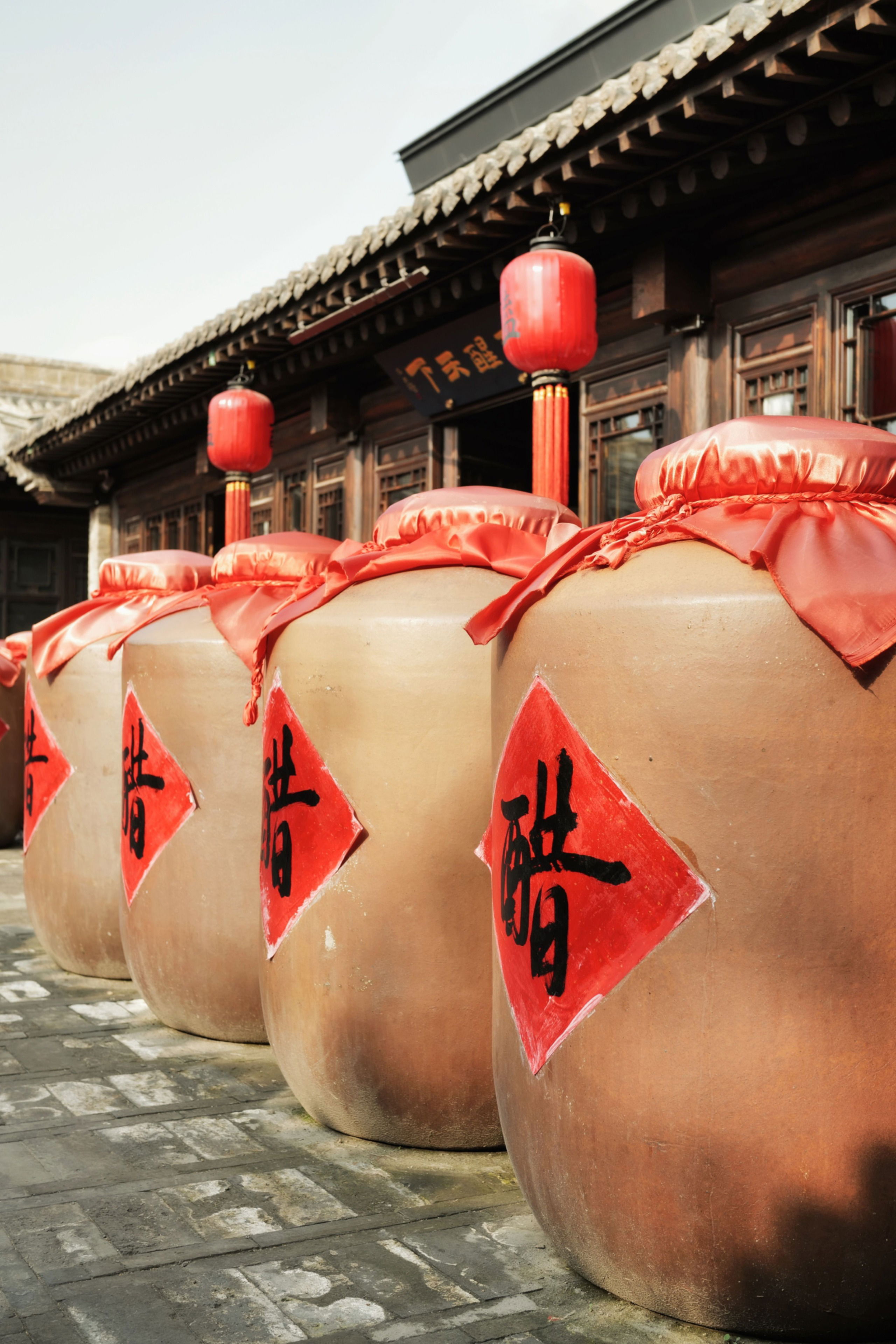
Beyond the vineyards, Shanxi is better known for its extraordinary architectural heritage and food traditions. Hand-cut and knife-shaved noodles appear in seemingly endless variations, while the province’s aged vinegars have a complexity all their own. Wine adds a contemporary layer to a place already profoundly shaped by fermentation and craft.
Meknès, Morocco: Wine Beneath Mount Zerhoun
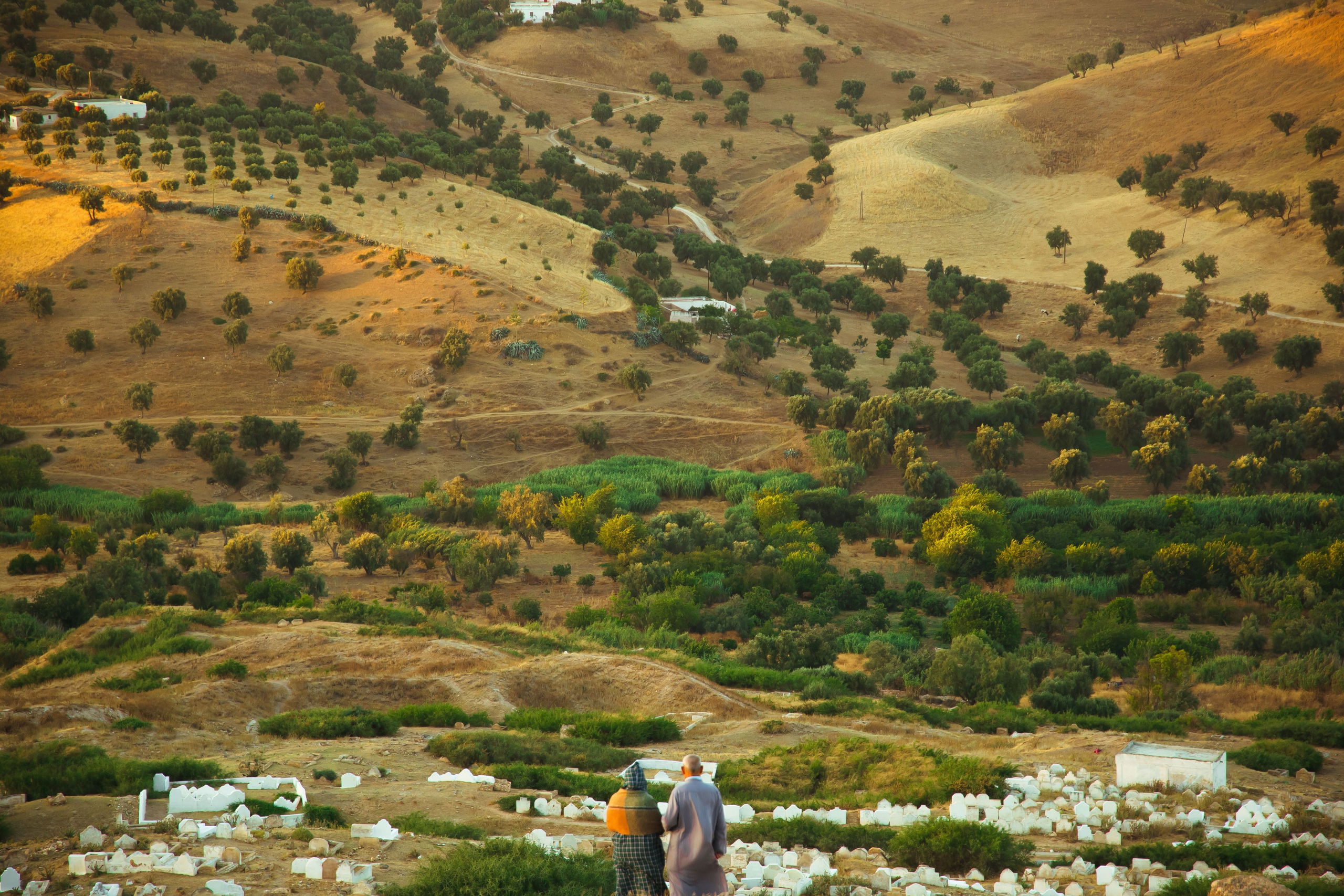
Morocco is better known for mint tea than wine, which makes Meknès particularly interesting for travelers willing to look beyond expectation. The countryside around the imperial city is one of the centers of Moroccan wine production, with vineyards influenced by elevation and the nearby Atlas Mountains. Appellations including Guerrouane and Beni M’Tir are found here, and producers work with grapes ranging from Syrah and Cabernet Sauvignon to varieties with long histories in North Africa.
Then there is Volubilis. Just beyond Meknès, columns and mosaic floors mark the remains of one of Rome’s important cities in North Africa. Olive presses survive among the ruins, reminders of an agricultural economy that flourished here nearly two millennia ago. From the site, the land rolls toward Mount Zerhoun. A day that begins among vines can end with the late sun falling across Roman stone. Wine is one chapter in a considerably longer story.
Planning a Wine Trip Around the Story Behind the Bottle
The most memorable wine trips rarely begin and end in a tasting room. Wine carries evidence of where it comes from. Climate is there, but so are migration, commerce, farming traditions and decisions made by generations of people. In Istria, the glass belongs beside olive oil and Adriatic fish. In Yunnan, vines make sense only after considering altitude and the communities farming among the mountains. Around Meknès, contemporary Moroccan wine sits within an agricultural story stretching back to antiquity.
That is also what makes these wine destinations particularly suited to private travel. The itinerary can follow curiosity rather than a prescribed tasting route: more time with a winemaker whose story catches your attention, lunch with a local producer, a morning in an archaeological site or another night in a town you are not quite ready to leave.
A wine trip should leave room for the bottle to lead somewhere unexpected. Sometimes the most interesting thing you taste is the place itself.