Traveling to Italy in Autumn? Seasonality, Soil, and Regional Specialities
Autumn arrives in Italy without ceremony. It does not announce itself with banners or slogans. It arrives through scent and sound: damp earth after the first rain, the low hum of harvest machinery at dawn, and the soft percussion of chestnuts hitting the ground in wooded hills. This is the season when Italian culture feels most legible. When food, agriculture, and daily life realign after summer’s brightness and before winter’s retreat.
To understand Italy in autumn is to understand how deeply seasonality structures Italian life. It shapes what is cooked and what is poured. For travelers drawn to food and wine not as indulgence but as cultural language, autumn is not simply a pleasant time to visit. It is when Italy makes the most sense.
Nowhere is this more evident than in Piedmont, Sicily, and Tuscany; three regions separated by geography and temperament, yet united by an almost reverent relationship to harvest.
Seasonality as a Cultural Contract
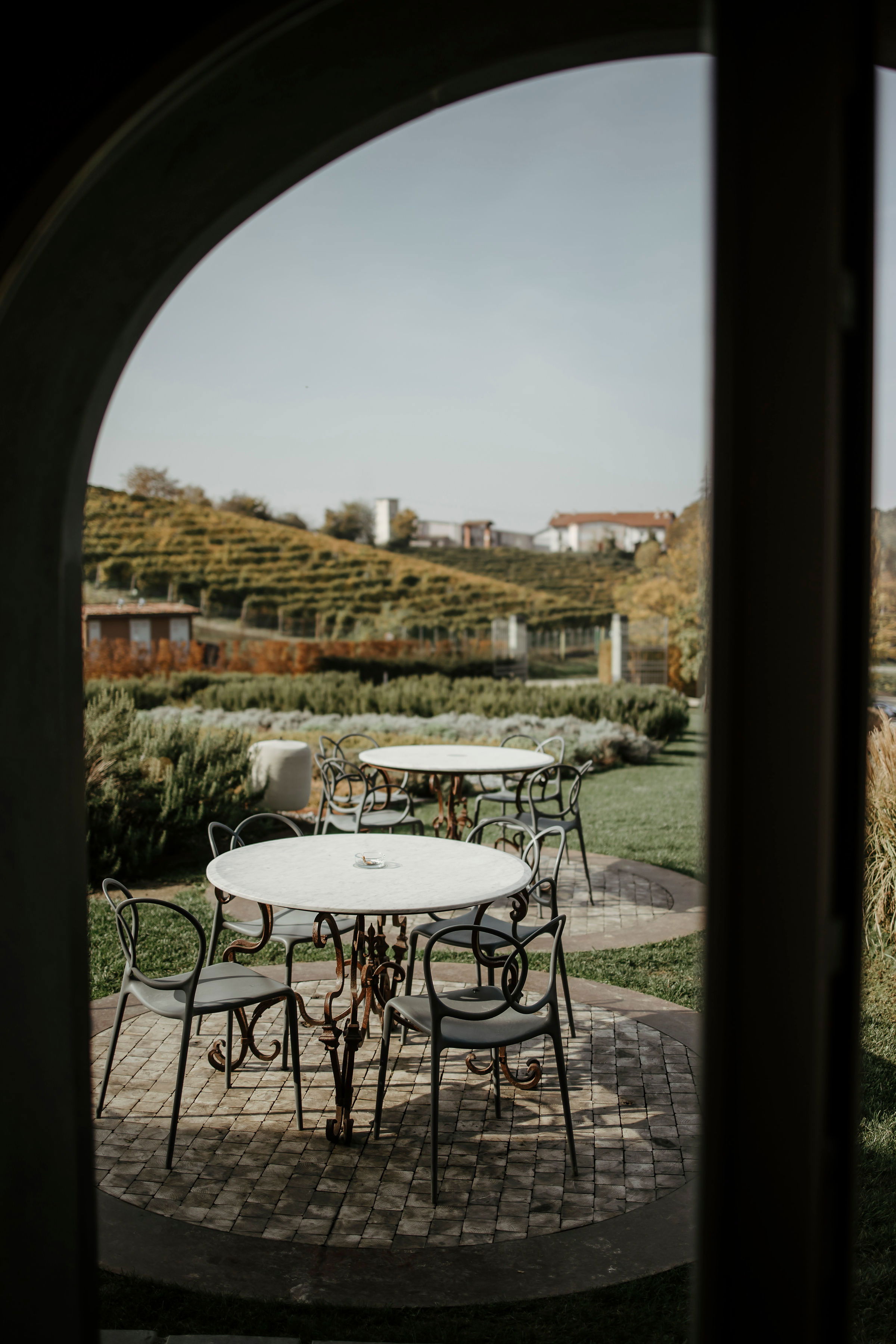
In Italy, seasonality is not trend-driven. It is structural. Markets shift week by week. Menus change quietly, without explanation. To ask for tomatoes in October is to reveal yourself as an outsider. To wait for them again until summer is to signal understanding.
Autumn marks the transition from abundance to intention. Kitchens become more inward-looking. Dishes deepen. Wines grow more contemplative. Meals lengthen not because there is more to eat, but because there is more to consider.
This is also the season when Italians themselves travel—often within their own regions—to reconnect with landscapes shaped by agriculture rather than tourism. It is a time of festivals that feel resolutely local: grape harvest celebrations, olive pressing days, truffle fairs that smell unmistakably of forest floor and cold air.
For those wondering when to visit Italy, autumn offers an answer rooted in rhythm rather than weather alone.
Piedmont: Fog, Fermentation, and the Patience of Wine
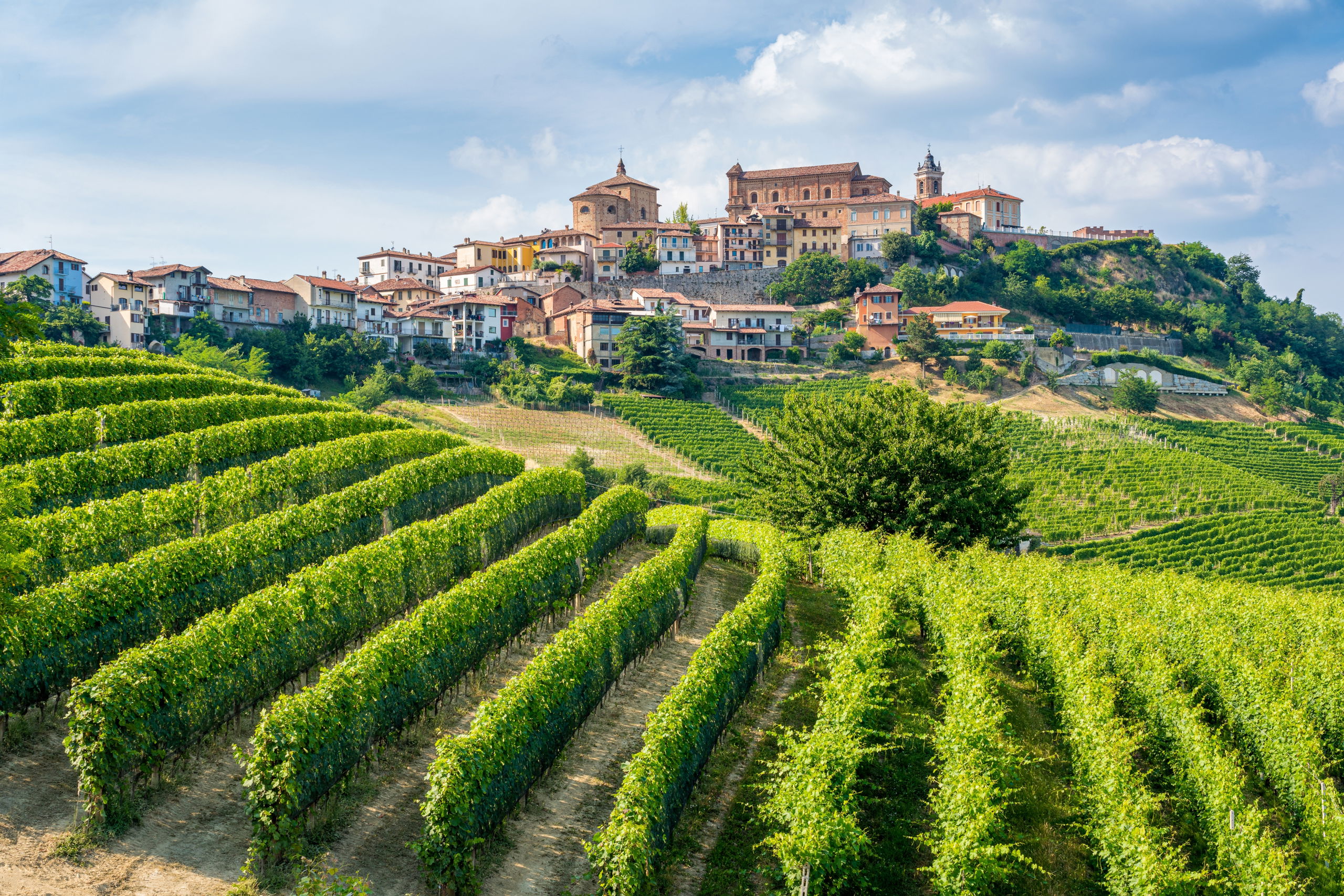
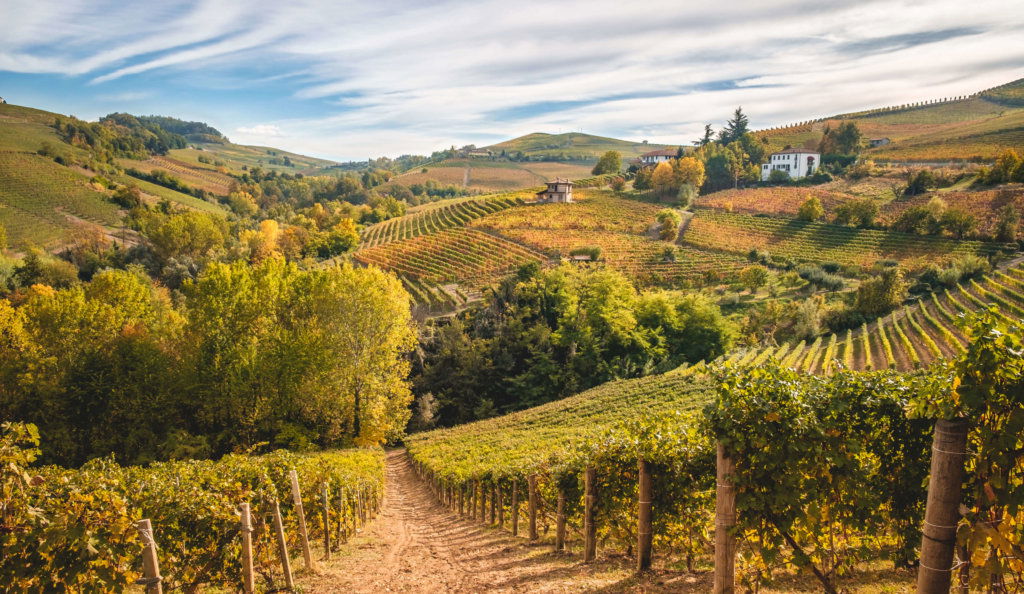
In Piedmont, autumn begins with fog. It rolls in low over the Langhe hills, settling between rows of Nebbiolo vines like a held breath. This is not incidental. The same climatic conditions that produce fog also define the region’s wines: slow ripening, high acidity, structure built over time.
The harvest here is deliberate. Grapes destined for Barolo and Barbaresco are picked later than almost anywhere else in Italy. There is no rush. The wines that emerge—particularly Barolo—are not designed for immediacy. They are built for longevity, shaped by tannin and restraint, meant to evolve over decades rather than impress in their youth.
Food follows the same philosophy. Autumn in Piedmont belongs to white truffles, unearthed carefully from oak and hazelnut forests. Their aroma—earthy, sharp, almost electric—requires little embellishment. Shaved over tajarin pasta enriched with egg yolks, or folded into risotto finished with butter and Parmigiano Reggiano, the truffle becomes an argument for simplicity as sophistication.
This is a region where butter replaces olive oil, where meats are braised rather than grilled, where meals are composed with an eye toward depth rather than display. Piedmont wine culture mirrors this sensibility. Tastings are unhurried. Conversations linger. The focus is less on acquisition than on understanding.
To travel through Piedmont in autumn is to experience Italian luxury in its most understated form: warmth inside cool air, generosity without excess, confidence without performance.


Sicily: Harvest Under a Different Sun
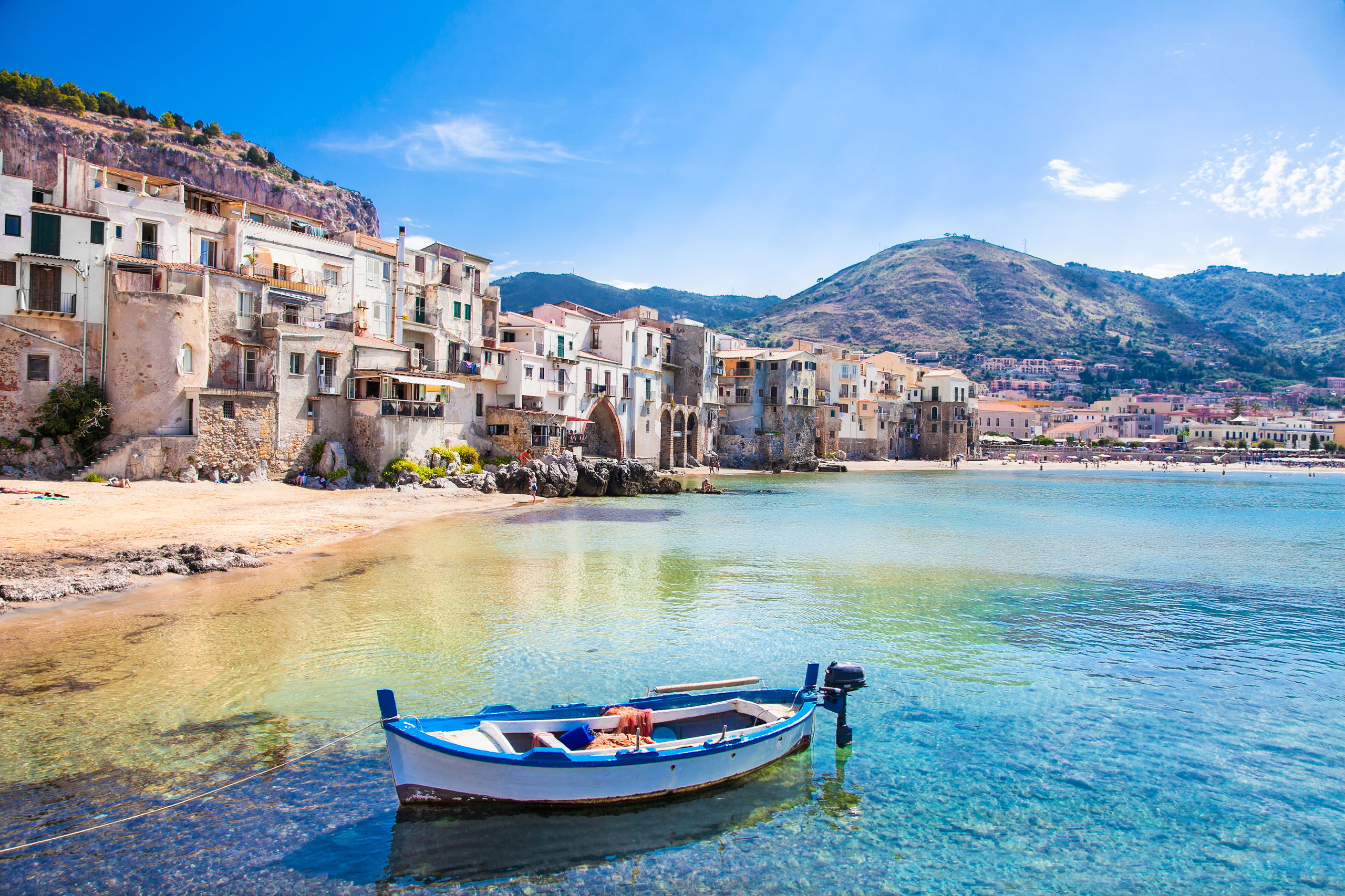
If Piedmont’s autumn feels introspective, Sicily’s is expansive. The light remains strong well into October. The sea retains its warmth. The harvest here unfolds under open skies rather than fog, shaped by volcanic soil and centuries of adaptation to heat and scarcity.
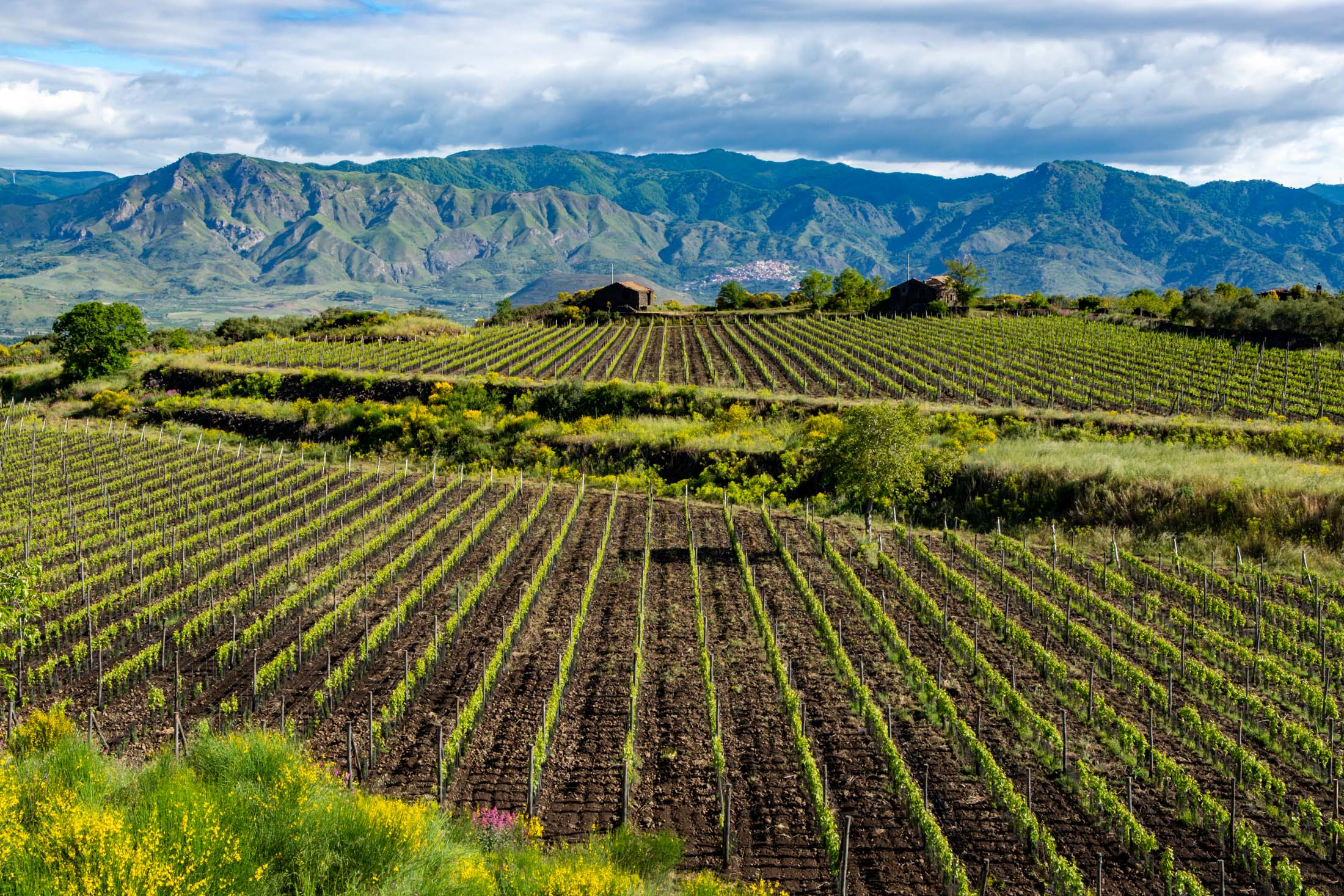
Sicily’s agricultural calendar does not follow the mainland’s script. Grapes grown on the slopes of Mount Etna are harvested at altitude, their character defined by ash-rich soil and dramatic temperature shifts between day and night. The resulting wines—particularly Etna Rosso—carry a tension that feels almost geological: mineral-driven, precise, quietly powerful.
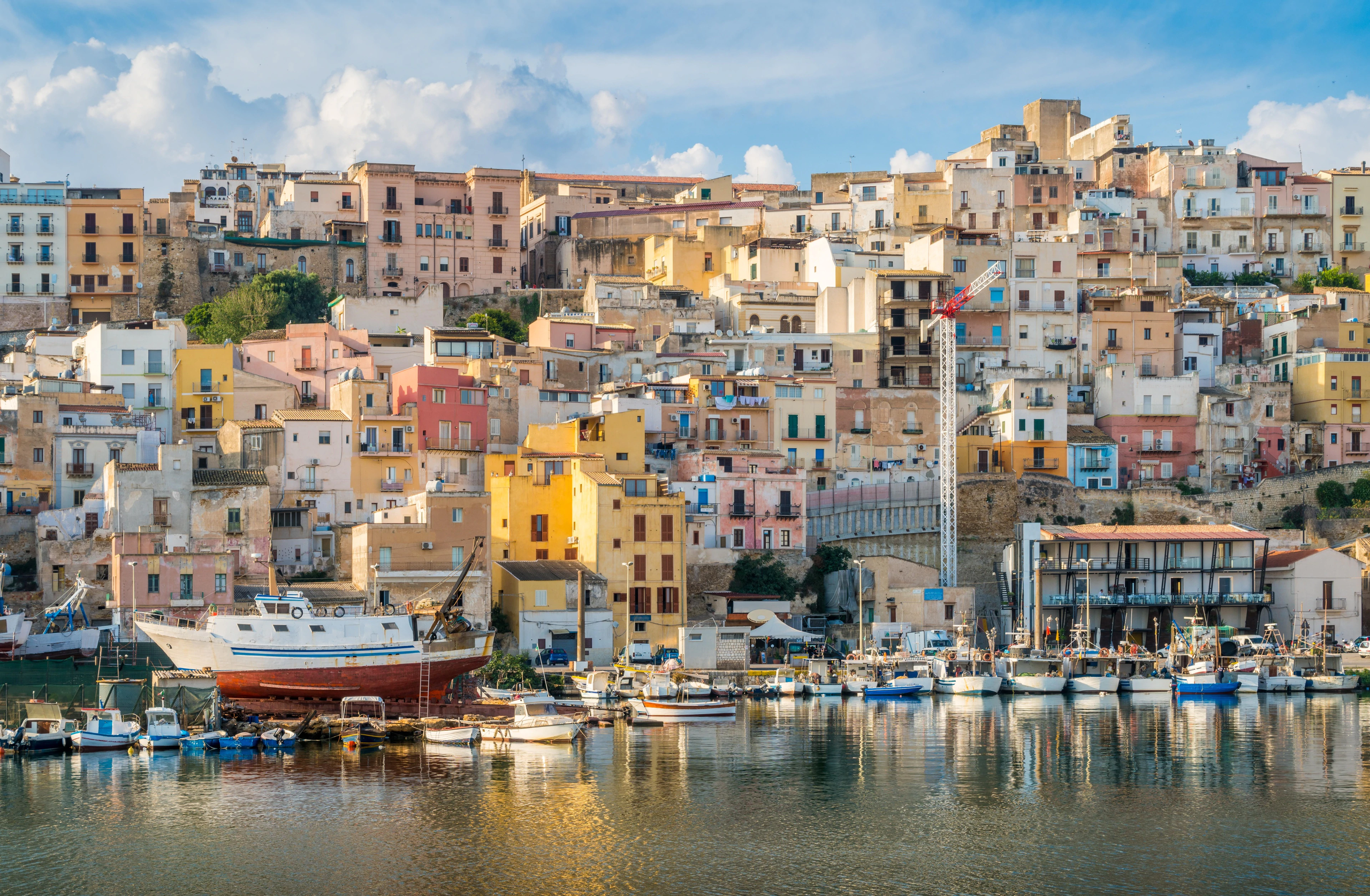
Sicily wine culture in autumn is inseparable from its food. Olive harvest begins, with families gathering to press oil that will last the year. Figs, almonds, and pistachios appear in markets alongside late tomatoes and wild greens. The cuisine remains rooted in restraint, shaped by history rather than novelty.
There is also a palpable sense of continuity here. Autumn is not an ending but a recalibration. Fishing continues. Outdoor meals remain common. The pace slows slightly, but life stays outward-facing.
For travelers considering a Sicily trip, autumn offers clarity. The heat of summer recedes. The crowds thin. What remains is a landscape and culture in conversation with itself.
Tuscany: The Season When Simplicity Sharpens
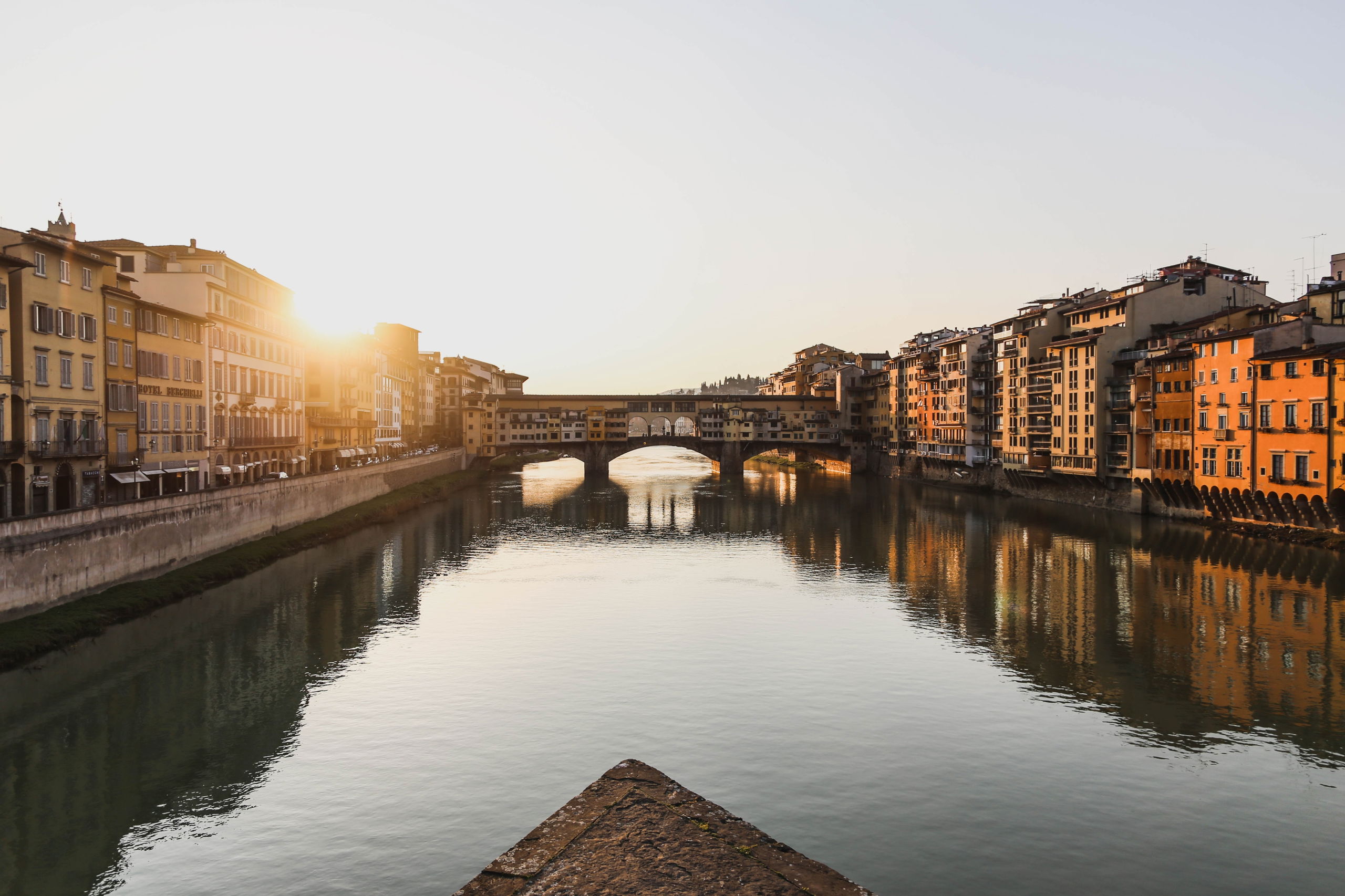
Autumn in Tuscany is not about reinvention. It is about return. After the high season recedes and the hills grow quieter, the region settles back into a rhythm that has always defined its cuisine: simplicity sharpened by timing.
The olive harvest anchors the season. Families and small producers gather early in the morning, spreading nets beneath silver-green trees, moving quickly to preserve freshness. The resulting olio nuovo is vivid and assertive—grassy, bitter, peppery enough to catch in the throat. It is used generously and briefly, drizzled over beans, grilled meats, and toasted bread, celebrated precisely because it will not taste this way for long.
Wine follows a similar logic. Autumn is harvest and evaluation with grapes coming in from Chianti’s rolling vineyards and fermentations beginning quietly in cellars that have seen centuries of repetition. These are not wines rushed toward completion. They are assessed, adjusted, and left alone. The conversation around them is measured, informed by memory as much as chemistry.
At the table, Tuscan cooking grows more inward-facing. Ribollita thickens as greens sweeten in cooler air. Game meats return. Mushrooms—porcini especially—appear simply prepared, sliced thin or folded into pasta without ornament. Bread, famously unsalted, becomes a canvas rather than a statement.
What distinguishes Tuscany in autumn is its confidence in restraint. There is no need to add when subtraction reveals so much. Meals feel grounded, landscapes legible, flavors clear.
Bespoke travel to Tuscany during this season offers familiarity without noise. The region’s reputation precedes it, but autumn strips away expectation, revealing the discipline beneath the romance. It is Italy reminding you that elegance often begins with knowing when enough is enough.

Wine as Seasonal Memory
Across Italy, wine in autumn functions as more than accompaniment. It becomes a record of the year just passed. Each harvest carries the imprint of weather, timing, human decision-making. To taste young wines during this season—sometimes still fermenting, sometimes barely settled—is to participate in a moment Italians consider deeply meaningful.
In Piedmont, this might mean sampling Nebbiolo still finding its shape. In Sicily, it could involve tasting wines that reflect volcanic soil still warm from the sun. These are not performances staged for visitors. They are expressions of process, shared openly with those who show interest.
This intimacy is part of what makes autumn travel resonate so strongly with culturally curious travelers. It offers access not just to finished products, but to transition—where tradition meets the present moment.

Why Autumn Travel Aligns With Italian Values
Italian culture places high value on appropriateness. On doing things at the right time, in the right place, for the right reasons. Autumn embodies this ethos. It is when ingredients are meant to be eaten, wines are meant to be discussed, landscapes are meant to be walked rather than photographed.
For those accustomed to excellent service and beautiful settings, traveling to Italy in autumn offers something subtler and often more satisfying: alignment. Meals make sense. Experiences feel earned. The country reveals itself without the noise of peak season. This is not travel driven by checklist or accumulation. It is travel driven by attention.
Traveling With Those Who Understand the Season
Experiencing Italy’s autumn culture requires more than presence. It benefits from guidance by those who understand how seasonality shapes decision-making in kitchens and cellars alike. Chef-led journeys through Piedmont and Sicily or private travel in Tuscany offer this perspective naturally, framing meals and tastings within the larger agricultural and cultural context.
Rather than rushing from highlight to highlight, these journeys follow the logic Italians themselves observe. Markets first. Producers second. Meals that reflect what the land is offering now, not what visitors expect to see.
For those drawn to food as a way of understanding place, autumn is not a backdrop. It is the point.
A Season Worth Following
Italy in autumn does not seek attention. It rewards those who arrive willing to listen to the cadence of harvest, to the quiet authority of tradition, and to the conversations that unfold when there is time.
Piedmont, Sicily, and Tuscany, each in their own way, offer a lens into how deeply food, wine, and seasonality are woven into Italian identity. To travel through these regions in autumn is to witness that relationship in motion.
For travelers considering when to visit Italy—and why—this season offers its answer not through spectacle, but through substance.

Featured Italy Trips
Sicily with Melissa Kelly
Piedmont with Aldo Zaninotto