
Winter Travel Destinations for Adventure Travelers
Adventure Trips Inspired by the Winter Olympics
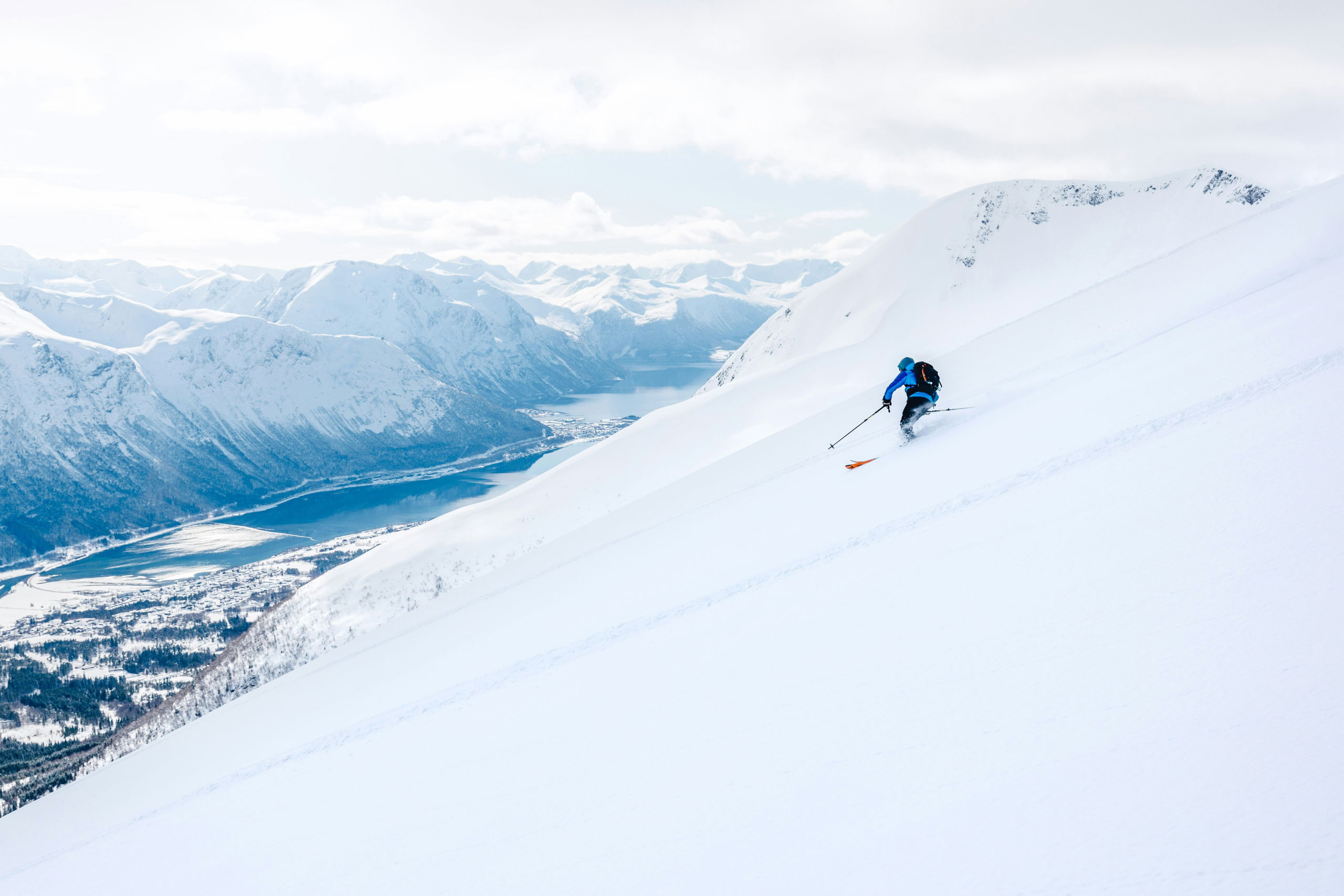
When winter turns athletic, bold, and cinematic, certain landscapes seem to come into their own. Snow reshapes mountains into clean lines and shadow. Lakes harden into mirrors. Air sharpens appetite and attention alike. Movement becomes deliberate—skis cutting across powder, boots compressing frost, breath visible in the early light.
For travelers drawn to winter travel destinations that offer both physical engagement and cultural depth, the question is rarely whether to go. It is how to move once you arrive.
The Winter Olympics remind us that cold-weather terrain can be a stage for discipline and performance. But outside the arena, winter is also ritual: sauna steam rising against snow, wine poured after a day on the slopes, a train slipping quietly through alpine valleys.
The most compelling adventure trips in winter do not chase adrenaline for its own sake. They balance exertion with restoration. Precision with warmth. Landscape with table.
Below, five winter travel destinations where adventure travel and cultural immersion move in tandem—and where private travel allows you to calibrate the pace entirely to yourself.
Northern Italy
Where alpine performance meets culture
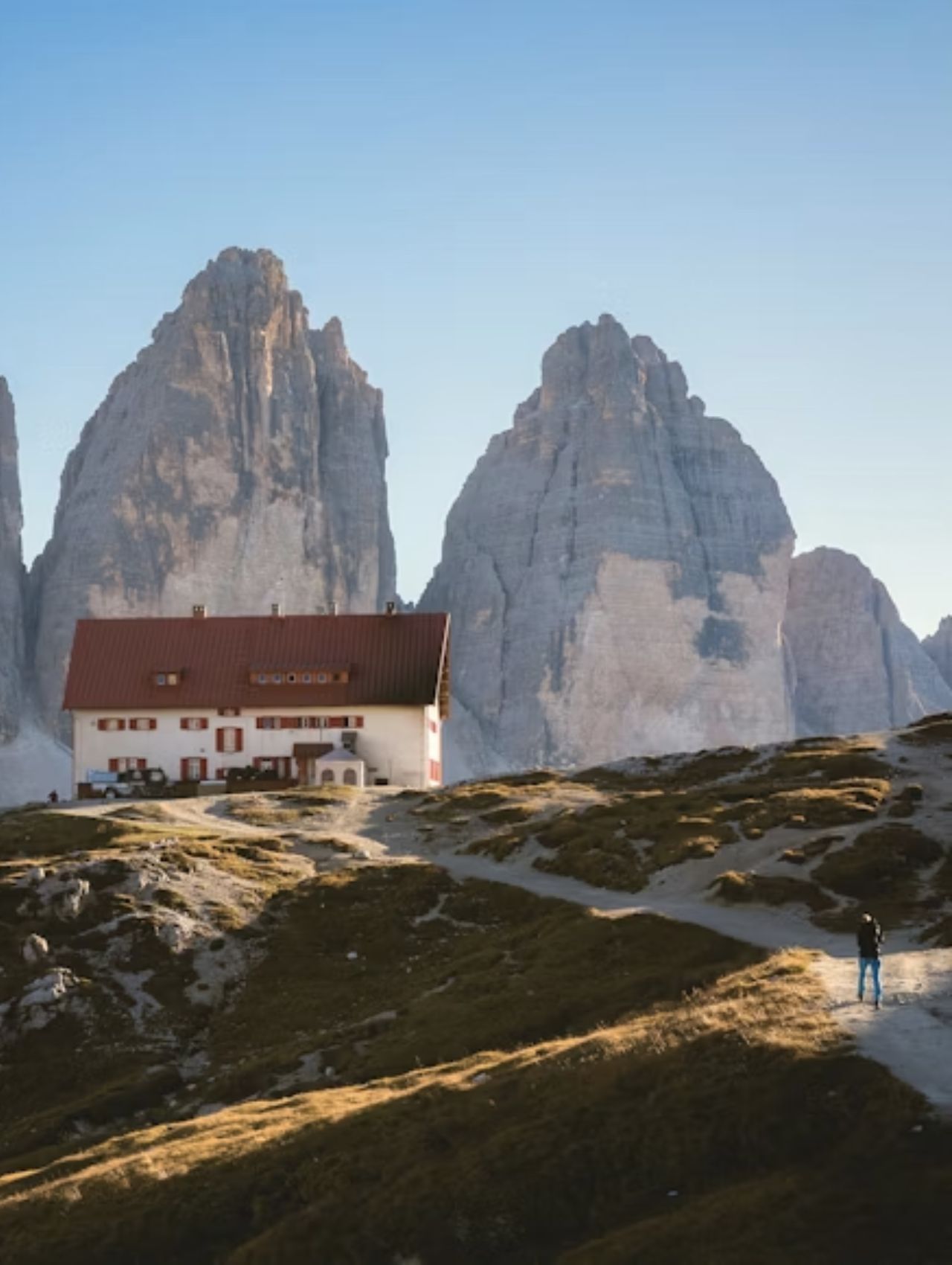
In the Dolomites, the mountains rise in pale limestone spires that catch winter light and hold it. Mornings often begin in motion: snowshoes tracing quiet paths through spruce forests or skis gliding along meticulously groomed runs above villages with painted shutters and onion-domed church towers.
This is alpine terrain shaped by discipline. Yet the rhythm of winter in Northern Italy resists severity. A midday pause at a mountain rifugio might bring canederli—bread dumplings enriched with speck—and a glass of Lagrein from nearby South Tyrol. Plates arrive warm from the kitchen; conversations stretch. No one rushes back to the lift line without first acknowledging the table.
Adventure travel here extends beyond the slopes. A private journey might detour to Bolzano for contemporary design, or to Verona for an evening at the opera, the cold held at bay by velvet seats and centuries of history. Wine-country visits in Trentino unfold slowly, cellars carved into hillsides where vintners speak of altitude, limestone soils, and the patience winter demands of the vine.
The balance is deliberate: skiing in the morning, art or architecture in the afternoon, long dinners anchored in regional tradition. Wellness travel, in this context, is not separate from movement. It is found in the cadence of the day—how effort yields to warmth, how landscape gives way to human craft.
Switzerland
Precision, altitude, and iconic slopes
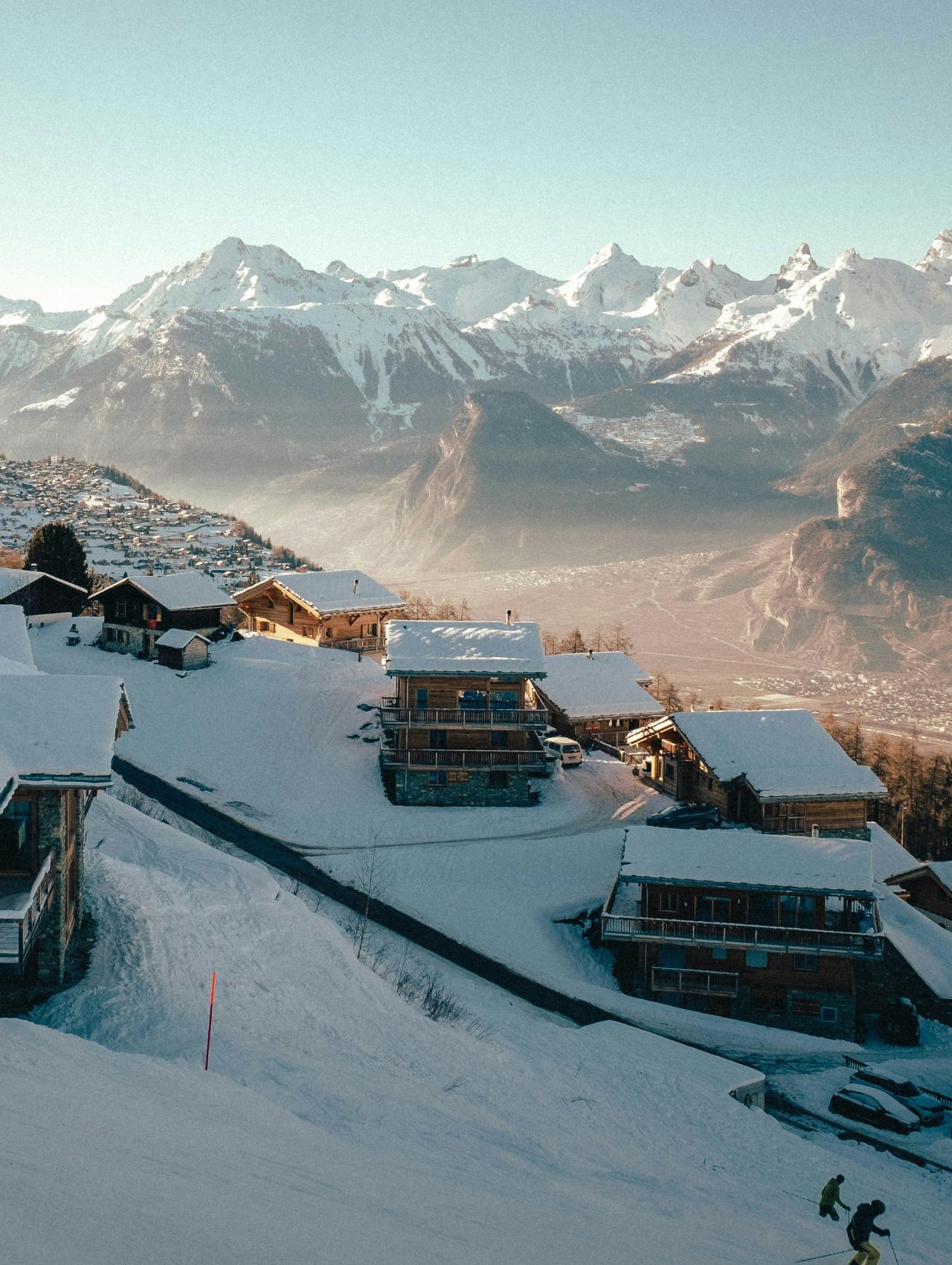
Switzerland approaches winter with quiet authority. The slopes above Zermatt and St. Moritz are legendary not because they are loud, but because they are exact. Trails are engineered with intention. Lifts move efficiently. Rail lines thread through valleys and over viaducts with a punctuality that feels almost ceremonial.
Traveling through the Alps by train in winter becomes part of the experience itself. Panoramic windows frame snow-laden forests and villages that appear and disappear in rhythm. The journey is neither rushed nor ornamental; it is structural, connecting altitude with culture.
On the mountain, the pace is yours to define. Some days are spent carving long arcs down wide pistes beneath the silhouette of the Matterhorn. Others might be slower—cross-country routes through silent valleys, the repetitive glide meditative in its precision.
Switzerland’s version of adventure travel includes recovery by design. Thermal spas in alpine towns draw mineral water from deep below the earth. Stone pools open to the sky, steam lifting into air that hovers just below freezing. Afterward, dining rooms glow softly. Rösti arrives crisp and golden. White wines from Valais cut cleanly through richer dishes.
Private travel here means shaping winter around preference. Fast descents or measured hikes. Iconic ski terrain or quiet rail journeys through lesser-traveled passes. Switzerland accommodates both extremes and the space between them.
Finland
Where winter becomes an experience
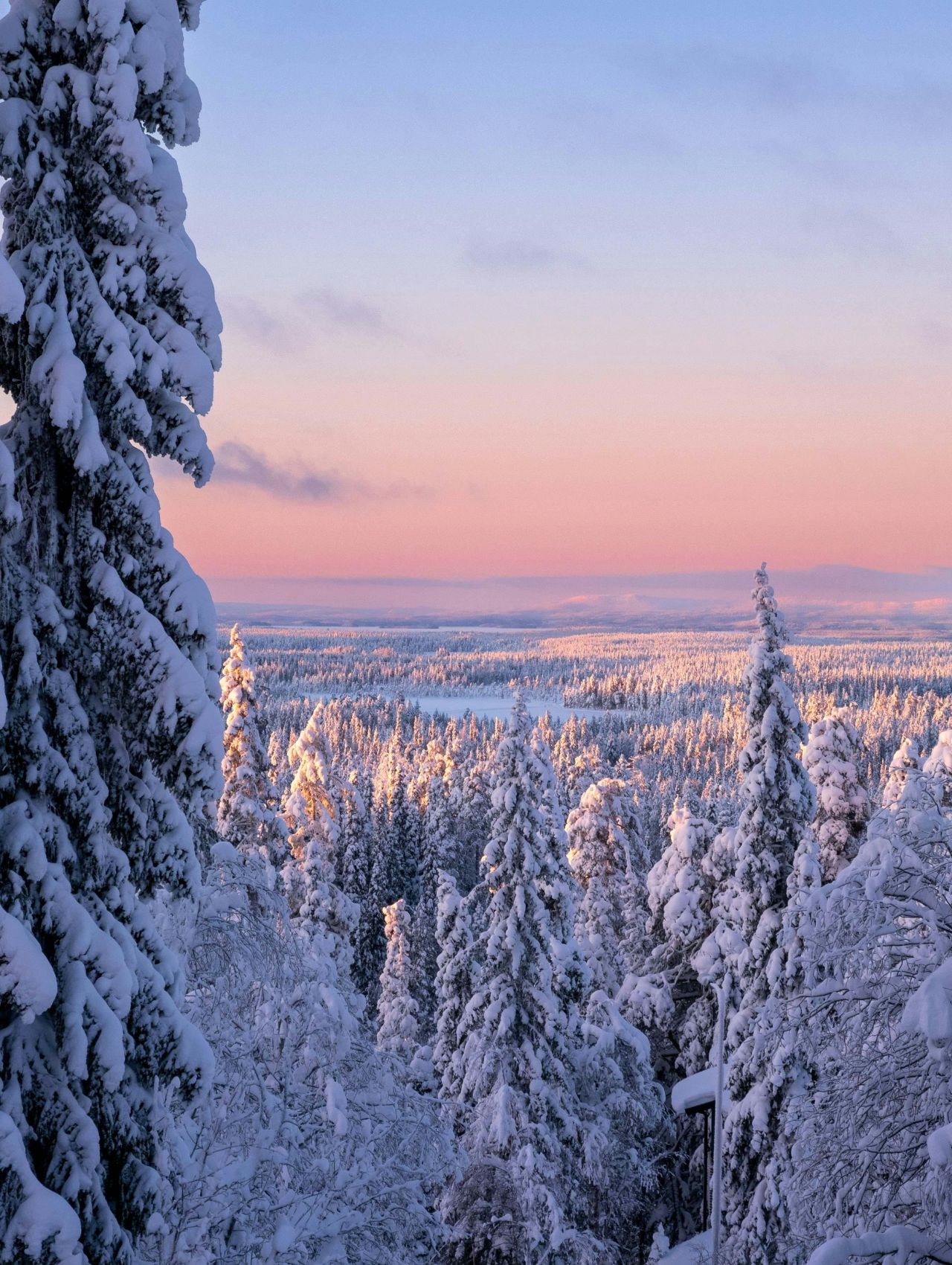
In Finland, winter feels less like a season and more like an environment. Forests stand still beneath heavy snow. Sound is absorbed. Light shifts toward blue.
Cross-country skiing is less spectacle than ritual here. Trails move through birch and pine, the steady rhythm of skis against snow a form of quiet endurance. The body warms gradually; breath settles into tempo.
The day often ends in the sauna. Wood crackles in the stove. Heat presses against skin before a brief step outside into cold air sharp enough to reset every nerve. The contrast is not theatrical—it is elemental. Wellness travel in Finland is embedded in this cycle of heat and cold, effort and release.
In Lapland, evenings stretch long. Northern skies sometimes flicker green and violet. Meals lean toward what sustains: rye bread dense and dark, Arctic char cured simply, cloudberries folded into cream. There is little ornamentation. The beauty lies in restraint.
Adventure trips in Finland reward those who are comfortable with silence. Movement happens in open space. Restoration follows without fanfare. Private travel allows you to follow light, adjusting each day around weather and energy rather than obligation.
Norway
Arctic landscapes built for exploration
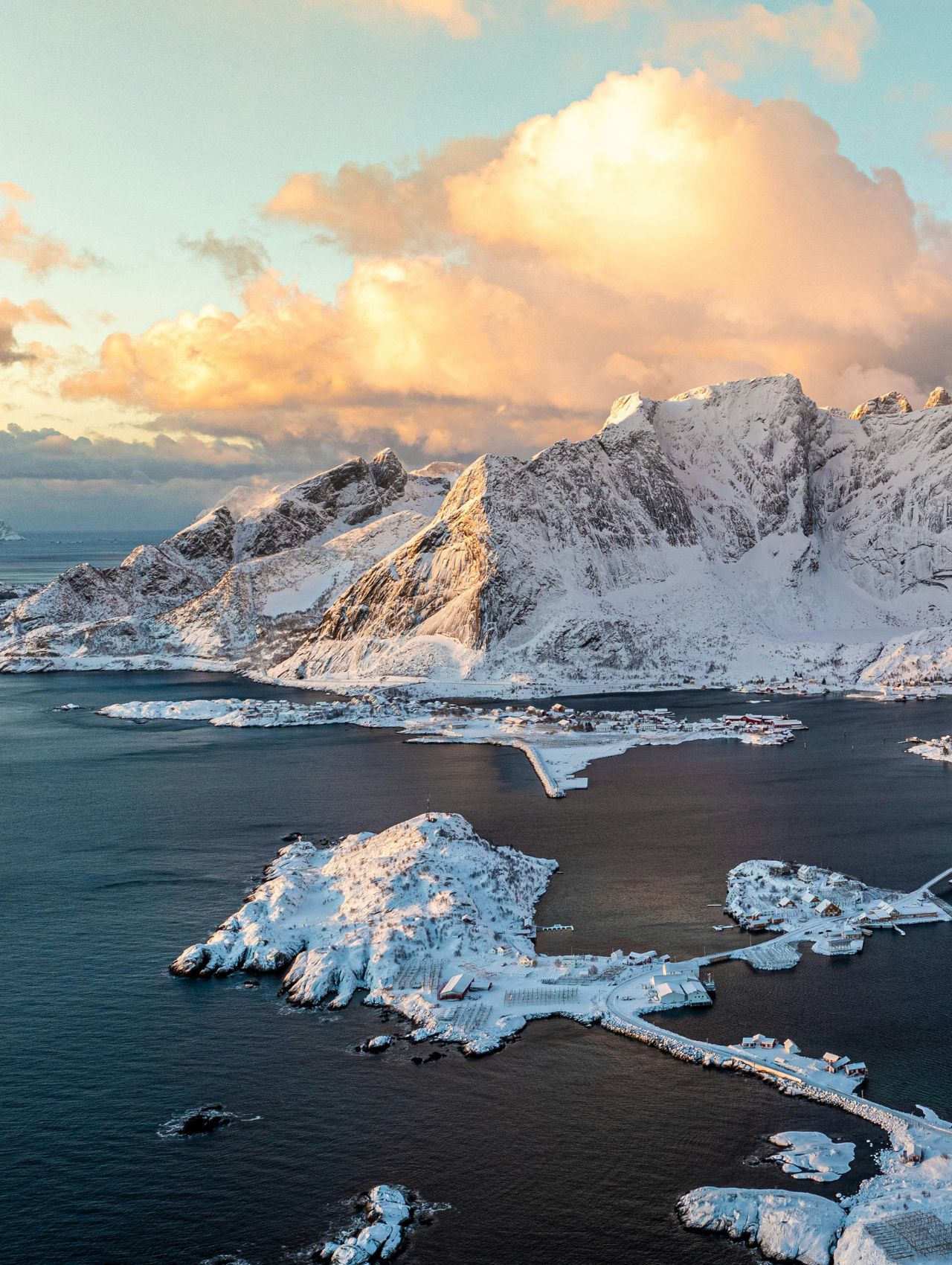
Norway’s winter landscapes feel architectural. Fjords cut deep into the earth, their dark water framed by snow-covered cliffs. The air is crisp enough to clarify thought.
Ski touring in Norway blends effort with exposure. Routes climb gradually before opening to wide descents that face the sea. The horizon feels expansive; the terrain, honest.
Adventure travel here often follows light. In the north, days are brief, and planning bends accordingly. In southern regions, winter sun lingers low, casting elongated shadows across open snowfields. A well-designed private journey accounts for these rhythms, shaping movement around weather rather than adhering to rigid schedules.
Norwegian cabins, often simple and timbered, become anchors in the landscape. Fires burn steadily. Wool blankets gather warmth. Meals might center on cod drawn from cold waters or reindeer prepared with restraint, ingredients treated with respect rather than embellishment.
Norway’s appeal as a winter travel destination lies not in spectacle but in scale. The environment demands attention. Adventure is present, but it is integrated into daily life. Skiing, hiking, boating through icy fjords—it all exists within a larger framework of balance.
Japan
Where winter finds its balance
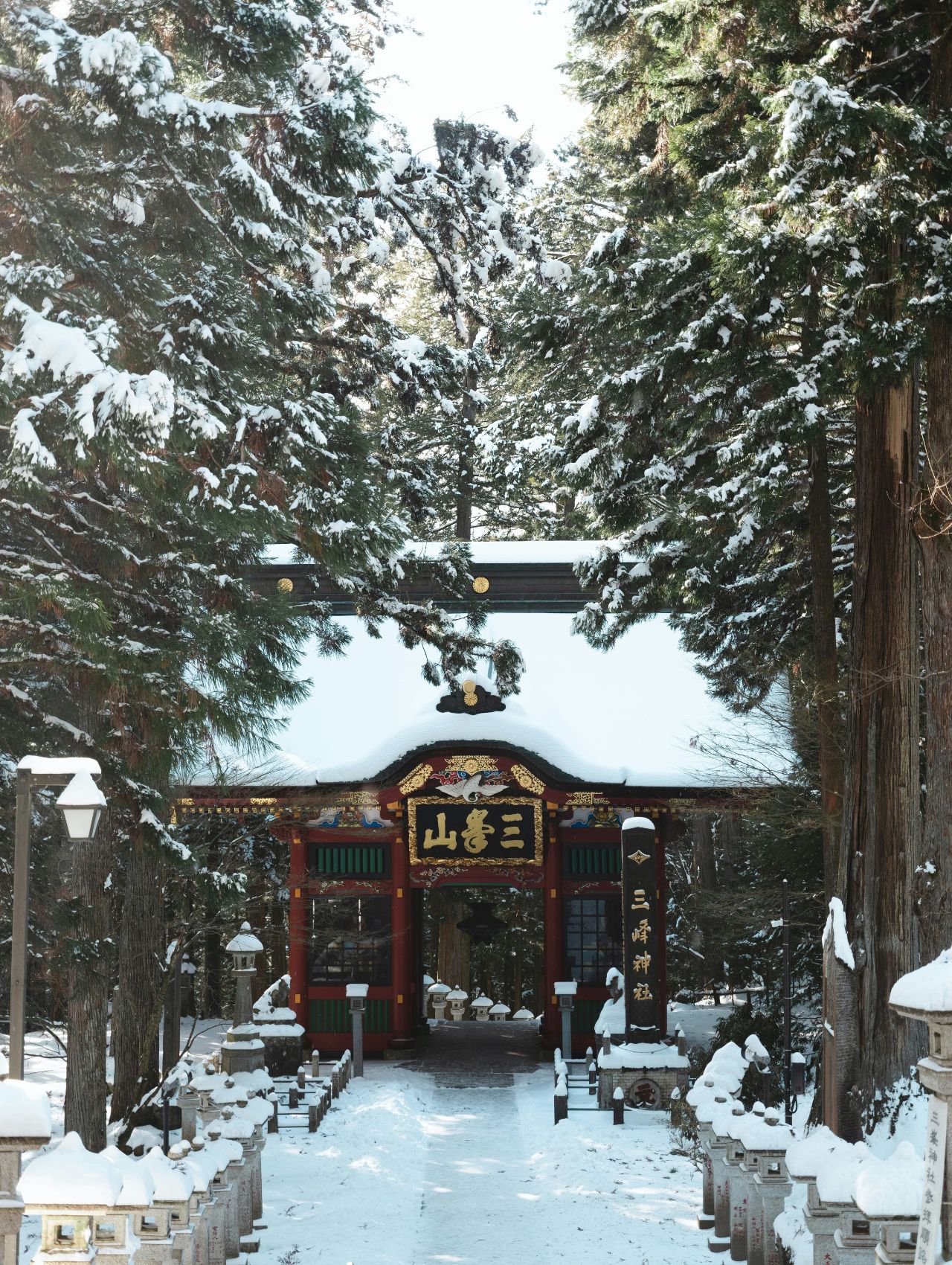
In Japan, winter feels composed. Hokkaido’s powder snow is known for its lightness, fed by cold air crossing the Sea of Japan before settling across mountains in steady accumulation. Skiers move through birch forests, the snow absorbing sound so thoroughly that descent becomes nearly silent.
The day shifts naturally toward warmth. Onsens sit at the edge of forest or mountain, steam rising against falling snow. Water mineral-rich and deeply hot meets air that cools the surface of the skin. The body recalibrates.
Meals in winter are deliberate. In Hokkaido, crab legs stack high in market stalls, uni gleams against crushed ice, and miso ramen arrives in bowls wide enough to cradle heat between both hands. Kaiseki dinners interpret seasonality with precision—root vegetables simmered gently, fish prepared in ways that preserve texture and clarity.
Adventure travel in Japan rarely isolates sport from culture. Skiing exists within a broader rhythm that includes tea ceremonies, temple visits, and design rooted in restraint. Wellness travel here is about alignment: the balance between movement and stillness, appetite and simplicity.
Private travel allows you to navigate this rhythm intentionally—choosing when to push through deep powder and when to linger in hot water, when to wander through a market and when to retreat into quiet.
Designing Winter Travel Your Way
Winter travel destinations that support adventure trips do more than offer terrain. They provide structure for how days unfold. This is not about chasing adrenaline without pause. Nor is it about retreating entirely from exertion. The most compelling adventure travel blends movement with culture, altitude with appetite, cold air with warmth at the table.
Private travel makes that calibration possible. Some travelers want long mornings on skis and afternoons devoted to art or architecture. Others prefer slower hikes, extended spa rituals, or train journeys that trace winter landscapes without physical strain. The common thread is intention.
Winter becomes not a backdrop but a collaborator. Snow dictates texture underfoot. Light shapes the schedule. Food adjusts to the season. The body participates fully—awake, engaged, restored. For those drawn to winter travel destinations where adventure trips intersect with culinary depth and thoughtful design, the conversation begins not with a checklist but with a question:
How do you want to move this season? From the Dolomites to the fjords, from alpine rail lines to forested ski trails, winter offers a spectrum. Adventure and wellness need not sit on opposite ends of that scale. They can coexist in the same day, even the same hour.
If this way of traveling resonates, private travel allows winter to take shape around your own pace—fast, slow, or somewhere in between.


