
The Gift of Going Together & The Joy of Family Travel
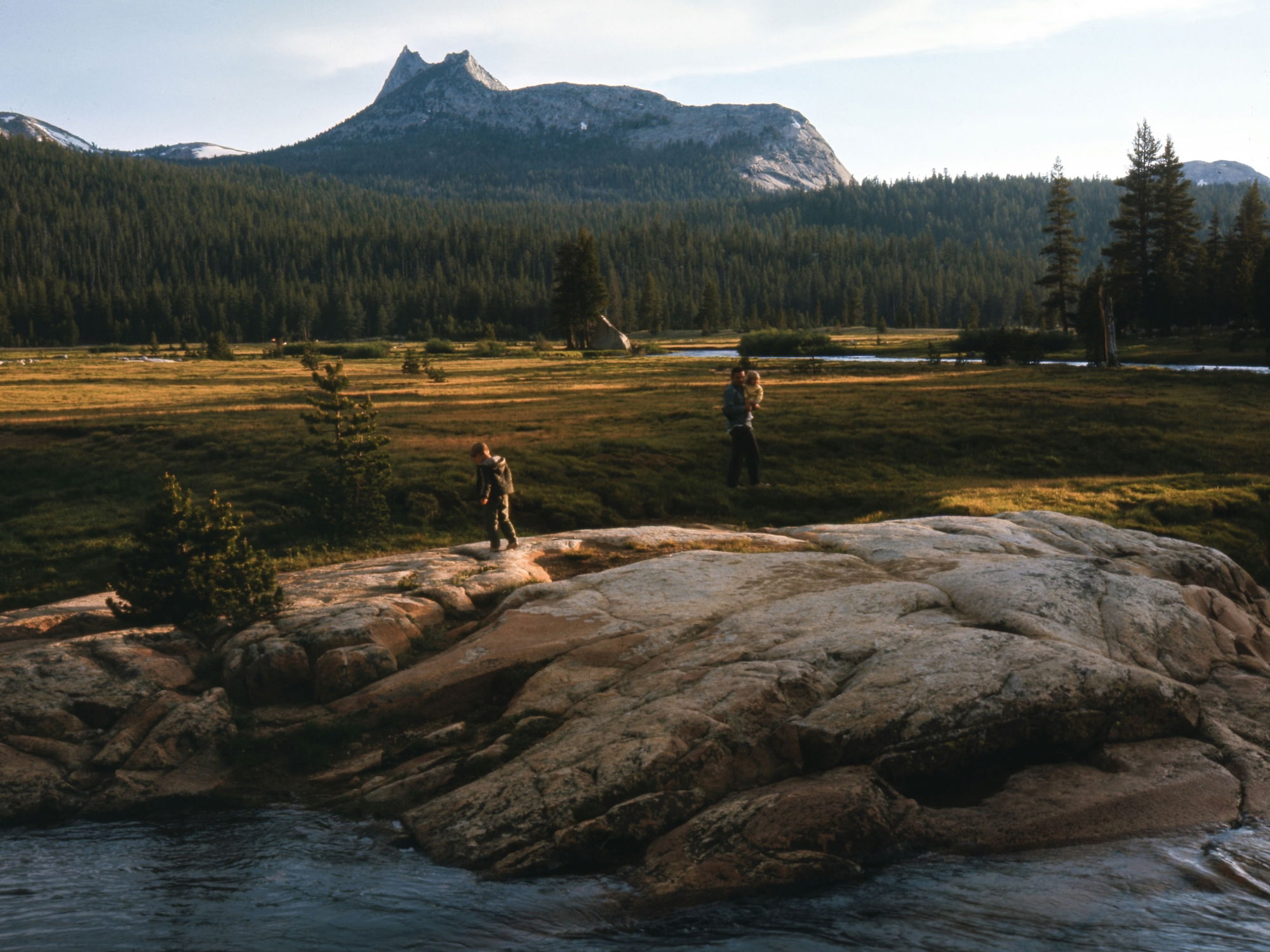
There is a strange math to family life.
When our children are young, the days can feel endless. There are snacks to pack, swimsuits to find, sunscreen to apply, small dramas to navigate, and negotiations that somehow become the whole afternoon. Then, without asking our permission, time begins to move differently. The child who once needed a wading pool and a nap suddenly wants a trail, a passport stamp, a little independence, and a much bigger world.
The same is true with our parents. For years, they are simply there: the people we came from, the voices on the other end of the phone, the hosts of holidays, the keepers of old stories. Then one day we realize the window is not infinite. There are questions we still want to ask, walks we still want to take, and things we want to understand while there is still time to understand them.
This is why family travel matters.
Not because it is always easy. Anyone who has traveled with young kids, teenagers, aging parents, siblings, partners, or a full multigenerational cast knows that family travel can be gloriously imperfect. Someone is hungry. Someone is tired. Someone packed the wrong shoes. Someone needs a little space.
And yet, when it works, there is almost nothing better.
Travel removes us from the machinery of ordinary life: the calendars, the errands, the invisible tug of work, school, screens, appointments, and obligation. It places us somewhere new and asks us to pay attention to the place, to each other, and to the small miracle of being here, now, together.
Jo and I have been lucky to travel with our children through many stages of life. When they were little, the ingredients for a perfect trip were beautifully simple. We needed a great property, warm water, a shallow pool, kind people, and perhaps a thoughtful kids’ program so we could sneak away for a real dinner and remember that we were not only parents, but partners.
Those trips were not about doing everything. They were about ease, lightness, and the joy of watching a child discover the world in small ways: sand between toes, a new fruit, a boat ride, a hotel breakfast that somehow felt like a feast.
Then the aperture opened.
As kids grow, the world grows with them. Suddenly, the Galápagos is not just possible, it is profound. A sea lion on the sand, a blue-footed booby doing its strange and wonderful dance, a child understanding not as an abstraction but as a lived experience that this planet is wild, fragile, interconnected, and astonishing.
The same is true in Patagonia, where mountains make everyone quieter; in the African bush, where the first sighting of an elephant can rearrange the emotional weather of a family; in New Zealand, where adventure and comfort live beautifully side by side; or in the deserts of Chile, where the night sky makes you feel both very small and very lucky.
These are not just vacations. Over time, they become part of a family’s shared language. They become the stories we tell again and again, the lodge we remember, the storm we got caught in, the guide who made everyone laugh, the dinner that stretched late into the night, the walk when someone finally said the thing they had been holding for years.
Eventually, those memories become family architecture. They hold something up.
And family, of course, is not only children. It is partners, parents, grandparents, siblings, chosen family, and old friends who have earned the title. It is the people who know where we come from and the people who help us imagine where we might still go.
A few years ago, I hiked into a wilderness lodge with my father. It was not elaborate, and it did not need to be. We walked, ate, sat, and talked. Somewhere along the way, away from the normal patterns of father and son, we found our way into conversations we had never quite had before.
I still carry that trip with me.
That is the deeper promise of traveling together. The right place not only gives us beauty. It gives us a different kind of access: to wonder, certainly, but also to each other.
A good journey slows us down enough to listen. It gives us a shared horizon and creates the conditions for presence, which may be the rarest luxury we have left.
At Modern Adventure, we think a lot about this. Not just where to go, but why it matters. Who is traveling? What stage of life are they in? What do they need from the experience right now? Rest, adventure, celebration, repair, a sense of awe, or a chance to reconnect before the next chapter begins?
For one family, the right answer might be Namibia, Botswana, and South Africa: desert, delta, coastline, wildlife, design, and days that feel impossibly alive.
For another, it might be Patagonia, the Atacama Desert, and Easter Island, where big landscapes and bigger skies change the scale of your imagination.
For another, Australia and New Zealand offer nature, food, wine, adventure, and enough range to satisfy the curious, the active, and the comfort-seeking all at once.
Or perhaps it is Ireland and Scotland, where coastlines, castles, music, ancestry, and story create the feeling of stepping into something older than yourself.
The destination matters, but the deeper work is designing the right journey for the people taking it: the right pace, the right guide, the right balance of movement and rest, the right lodge, villa, camp, boat, meal, trail, conversation, and surprise. The right amount of structure and the right amount of surrender.
Because the best family travel is not about perfection. It is about aliveness. It is about giving the people we love a place to meet each other again.
As we look at the arc of our lives, it is rarely the things we bought that stay with us. It is the meal everyone still talks about, the hike that was harder than expected, the animal appearing in the wild, the long conversation that somehow opened a door, the child seeing something for the first time, the parent telling a story you had never heard, or the friend who became family under a foreign sky.
This is the gift of going together. And don’t we need that more than ever?


– Luis Vargas, Founder & CEO


