
Springtime in Sweden: 10 Ways to Experience It
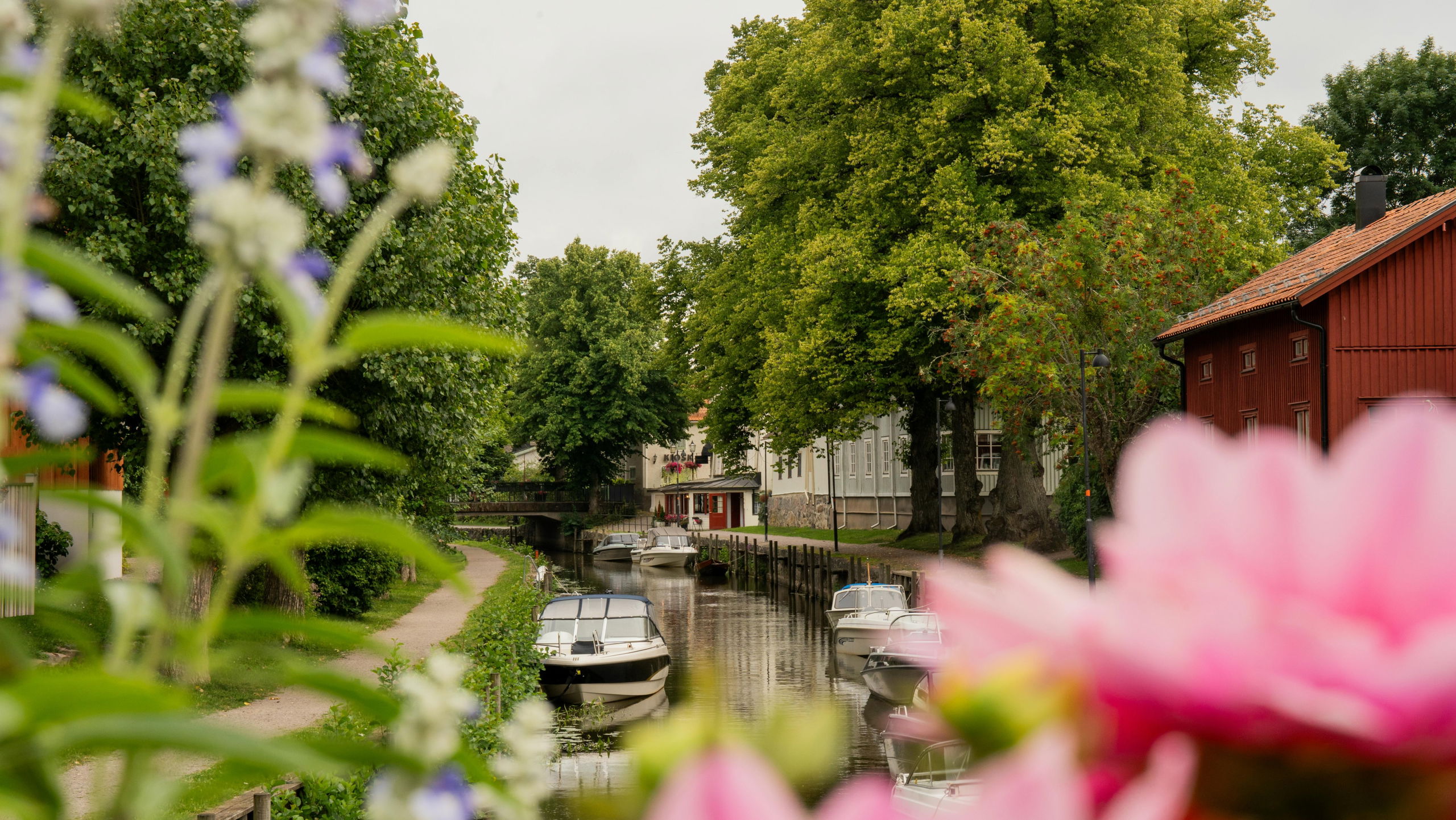
Springtime in Sweden arrives with restraint. It does not rush in. It gathers.
After months of low light and quiet streets, the first signs are subtle: a longer stretch of daylight along the Stockholm archipelago, the soft green of birch leaves returning, café tables reappearing along cobbled squares. By May, the country feels recalibrated. For travelers, springtime in Sweden offers a particular kind of access, one shaped less by peak-season movement and more by a sense of emergence. Below, a considered look at why this season resonates, and how to experience it with intention.
When is Spring in Sweden?
Spring in Sweden typically arrives from late April through early June, with regional variations depending on latitude.
- April: Early signs of melting waterways, budding trees, quieter cities
- May: Full transition with longer days, outdoor dining, cultural events return
- June (early): A threshold into summer, marked by near-endless daylight in some regions
This is a season defined not by uniformity, but by progression. Each week feels slightly different from the last.
1. Light Returns and Changes Everything
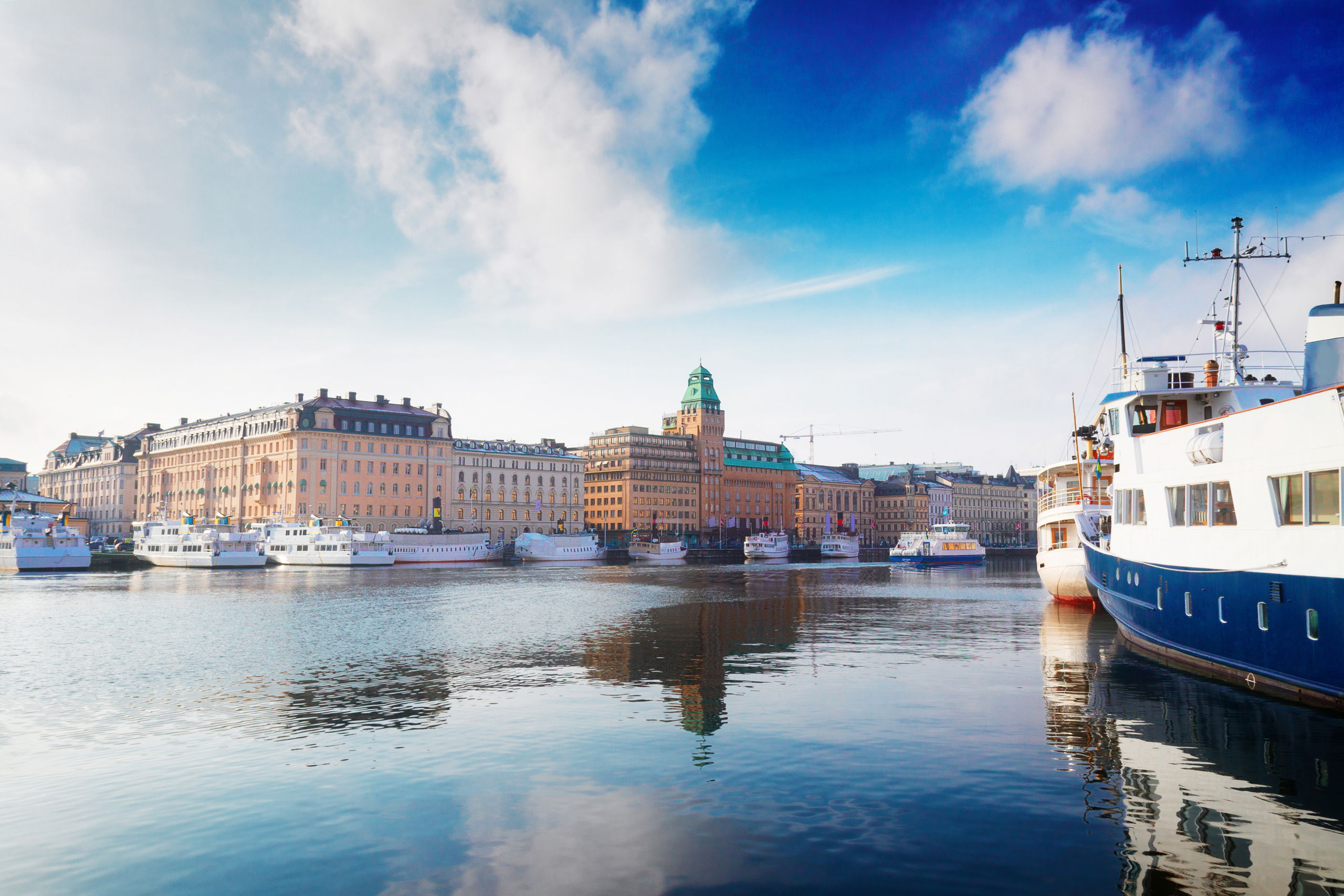
In winter, daylight in Sweden is fleeting. By spring, it begins to stretch, first by minutes, then by hours. In Stockholm, the sun lingers well into the evening by May, casting a low, diffused glow across the water. The quality of light shifts, too. It softens. It reflects differently off pale stone buildings and glassy inlets. This change influences how the city is lived in. People walk longer routes home. Restaurants extend their hours. Even museums feel different in natural light, their interiors quietly animated by the season.
2. The Archipelago Begins to Stir
Stockholm’s archipelago—over 30,000 islands—reawakens in spring. Ferries resume more frequent routes. Small harbors begin to open. On islands like Vaxholm or Grinda, wooden docks are repaired, gardens are tended, and cafés set out their first tables of the season. The air carries a mix of salt and pine. Water remains cold, but the atmosphere invites movement: walking along rocky shorelines, pausing for a simple lunch of smoked fish and boiled potatoes, and watching boats return after months of stillness. This is not yet the fullness of summer. It is the beginning of it.
3. Walpurgis Night: A Season Turns
On April 30, Sweden marks Valborg (Walpurgis Night), a tradition rooted in the arrival of spring. Across the country, large bonfires are lit at dusk. In university towns like Uppsala, choirs gather to sing in the open air, their voices carrying across parks and riverbanks. Families and friends stand close to the flames, the heat pushing back the lingering cold. The ritual has layers that are historically tied to warding off winter, now serving as a communal acknowledgment of change as fire marks the end of darkness.
4. A Seasonal Shift in Swedish Food
Swedish cuisine responds directly to the season. Spring menus begin to feature primörer or early vegetables harvested at their peak. Asparagus appears first, often served simply with butter or alongside cured fish. New potatoes follow, delicate and lightly sweet. Fresh herbs replace heavier winter flavors and markets reflect this shift. At Östermalms Saluhall in Stockholm, stalls begin to fill with lighter preparations like pickled herring in bright, acidic marinades, fresh cheeses, and open-faced sandwiches layered with herbs and greens. Meals feel less anchored and the plate begins to mirror the landscape again.
5. Outdoor Living, Reintroduced
Sweden’s relationship with the outdoors is constant, but in spring, it becomes visible again. In Stockholm, Djurgården, an island of green space just minutes from the city center, becomes a place for long walks and unstructured afternoons. Cyclists return to paths that have been quiet for months. There is a concept here: allemansrätten, or the right of public access. It allows people to move freely through nature, regardless of land ownership. In spring, that freedom feels newly expansive. To walk through Sweden in April and May is to see a country re-engaging with itself, outside.
6. Swedish Art, Design, and the Language of Restraint
There is a clarity to Swedish design that becomes easier to understand in spring. Long associated with minimalism, Swedish art and design are often described in terms of simplicity. But that simplicity is not absence; it is discipline. A sensitivity to material, light, and proportion. In Stockholm, this is evident across institutions:
- Nationalmuseum, where Nordic light is considered alongside form and function
- Svenskt Tenn, where Josef Frank’s textiles introduce color and pattern into otherwise restrained interiors
- Contemporary studios and galleries that continue to interpret these traditions through ceramics, glass, and furniture
Spring offers the right conditions to see this clearly. Natural light fills these spaces. Shadows soften. Materials reveal their texture. For those interested in Swedish art, the season provides context not just for what is made, but for why it is made this way.
7. Sauna Culture, Reframed by the Season
In neighboring Finland and parts of Sweden, sauna culture is a year-round practice. In spring, it takes on a different character. The contrast is less severe than in winter, but still present. Heat followed by cool air. Stillness followed by movement. Along the waterfronts of Stockholm or in more remote settings, sauna sessions extend into longer conversations. There is less urgency to return indoors, and the experience becomes less about endurance, more about continuity between body, environment, and time of year.
8. Fewer Crowds, More Space to Notice
Spring sits just before Sweden’s busiest travel period. Museums are accessible without lines. Restaurants feel unhurried. Conversations with local guides, artisans, and hosts have space to unfold. This is not framed as exclusivity. It is simply a matter of timing. The country has not yet reached its summer tempo, and that allows for a different kind of engagement. Moments hold longer.
9. A Natural Fit for Art and Design Travel
For travelers drawn to process like how something is made, where it comes from, or who shapes it, spring in Sweden offers a particular alignment. Studios are active. Workshops are in motion. There is a sense of preparation, of work being done ahead of the summer season. This is where a more guided experience becomes meaningful.
On our journey through Sweden and Finland with Heath Ceramics, the focus is not on collecting highlights, but on understanding lineage. Time is spent with designers and makers who work within the Nordic tradition—ceramicists, glassblowers, textile artists—each offering a different interpretation of the same cultural foundation. You might find yourself in a studio where clay is shaped into forms that echo centuries-old techniques, or in a design archive where objects are studied not as artifacts, but as part of a living continuum.
Meals reflect this same attention. Ingredients sourced for the season. Dishes that prioritize balance over complexity. Conversations that move between craft, culture, and place. This is travel shaped around observation.
10. Spring as a Way In
Sweden does not present itself all at once. It reveals itself through shifts and spring sits at the center of those transitions. For travelers, it offers an entry point that feels measured. Not defined by volume or pace, but by clarity. A walk along the archipelago as the ice has fully receded. A meal built around the first harvest. A gallery where the interplay of light and material becomes legible. These are not grand gestures. They are precise ones. And over time, they accumulate into something more complete.
Experiencing Spring in Sweden
For those interested in things to do in Sweden that extend beyond the expected, spring offers a framework rather than a checklist. It is a season that rewards attention to craft, to environment, and to the quieter signals of change.
For travelers drawn to art, design, and the cultural systems that shape them, Sweden in this moment feels especially coherent. If this way of moving through a place resonates, our Sweden and Finland journey offers a considered way in through studios, shared meals, and the people who continue to shape the region’s creative identity.

Sweden and Finland with Heath Ceramics
Explore Nordic culture and experience the fascinating history of modern design through artist studios, design-forward hotels, and more.


