
Forest Bathing and Other Nature in Japan
The Quiet Intelligence of the Forest: Nature and Restoration in Japan
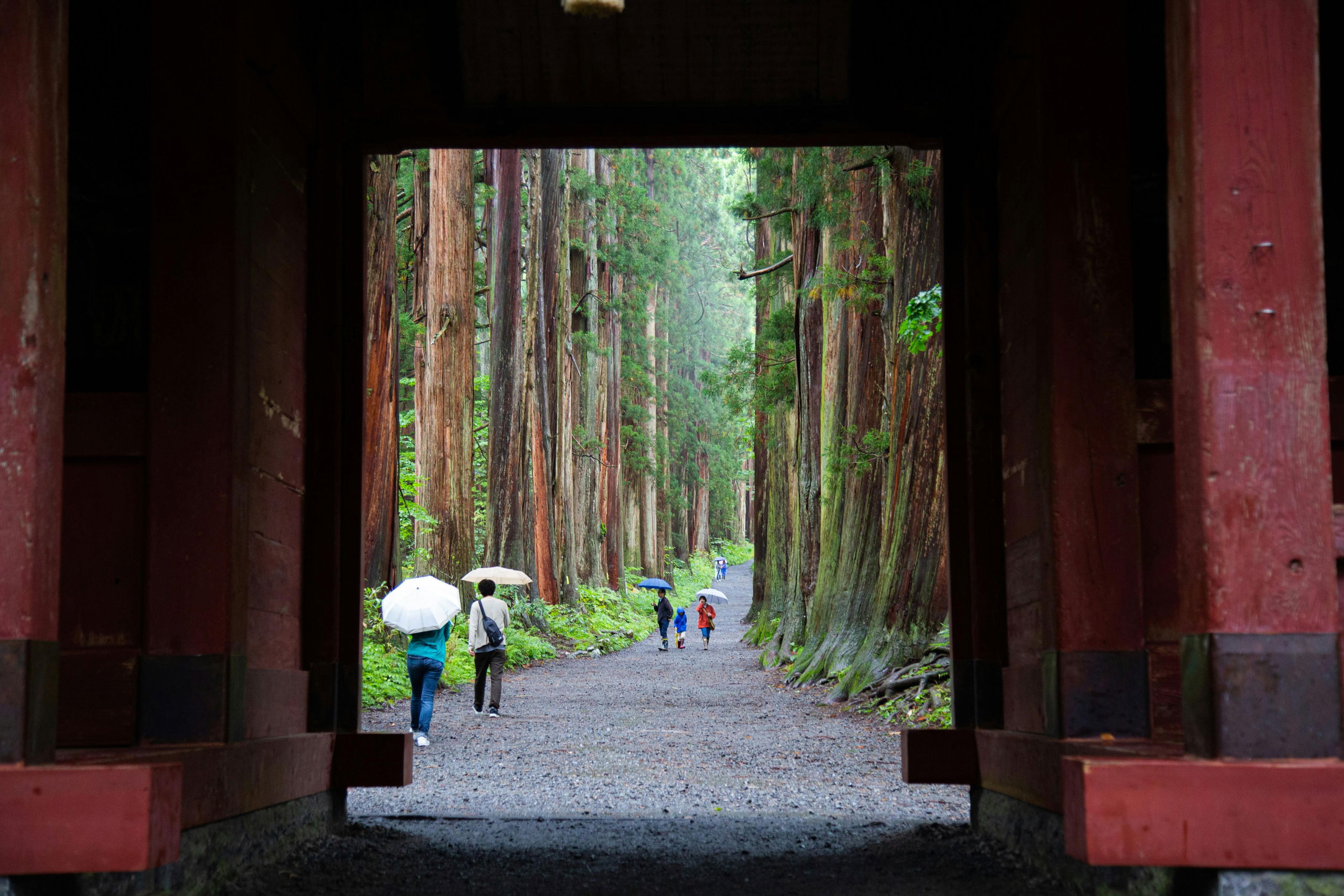
In the early hours outside Kyoto, before the tour buses arrive and before the first trains begin their steady rhythm through the city, the forest holds a different kind of attention. The air is damp in a way that settles on the skin. Cedar trunks rise in long, uninterrupted lines, their bark darkened by decades of rain. There is no spectacle here. Just the sound of wind moving through needles overhead, and the soft compression of earth underfoot.
This is where many Japanese travelers come not to see something new, but to return to something known.
What is Forest Bathing? The Origins in Japan
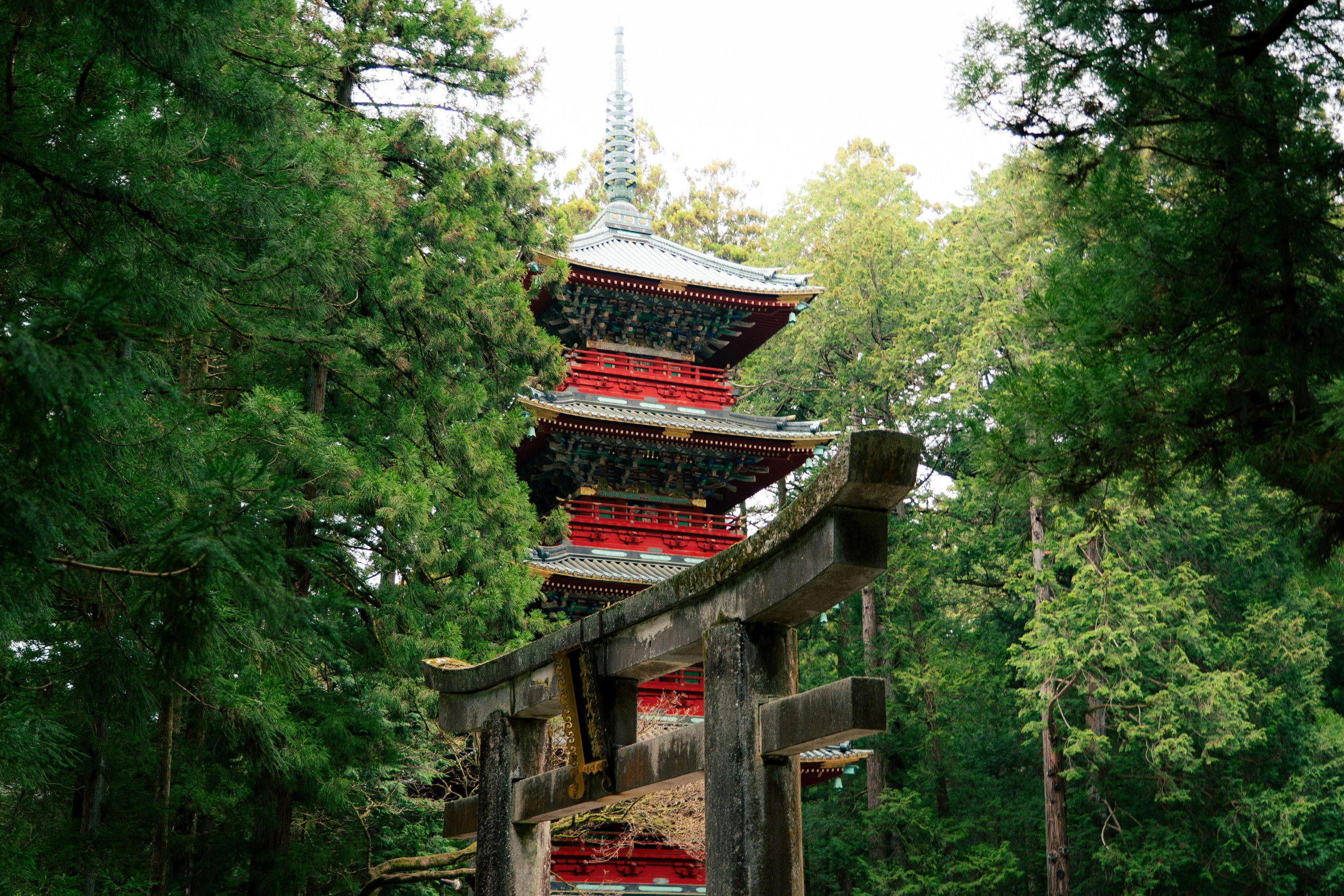
The practice now known internationally as forest bathing or shinrin-yoku did not begin as a trend. It was formalized in Japan in the 1980s as a public health initiative, though its roots reach much further back, into Shinto and Buddhist relationships with the natural world. Forests were not simply landscapes but living presences, places where deities resided and where human life could be recalibrated through proximity. To walk slowly through a forest in Japan is not an act of exercise. It is a way of noticing.
At Akasawa Natural Recreational Forest in Nagano, one of the earliest designated sites for shinrin-yoku, paths wind through hinoki cypress groves whose scent carries a subtle sharpness—clean, almost citrus-like. Studies would later measure what people already understood intuitively: that time spent here lowers cortisol, steadies the nervous system, and shifts the body toward a quieter state. But the science, while compelling, is not the point. The experience is.
A guide might pause along the path and ask you to stand still. Not to meditate in any formal sense, but to listen—to distinguish the layered sounds of water, leaves, distant birds. The forest reveals itself incrementally, not through grand views but through accumulation. This approach to nature mirrors a broader cultural sensibility: that meaning is often found through attention rather than intensity.
Forests as Cultural Landscape
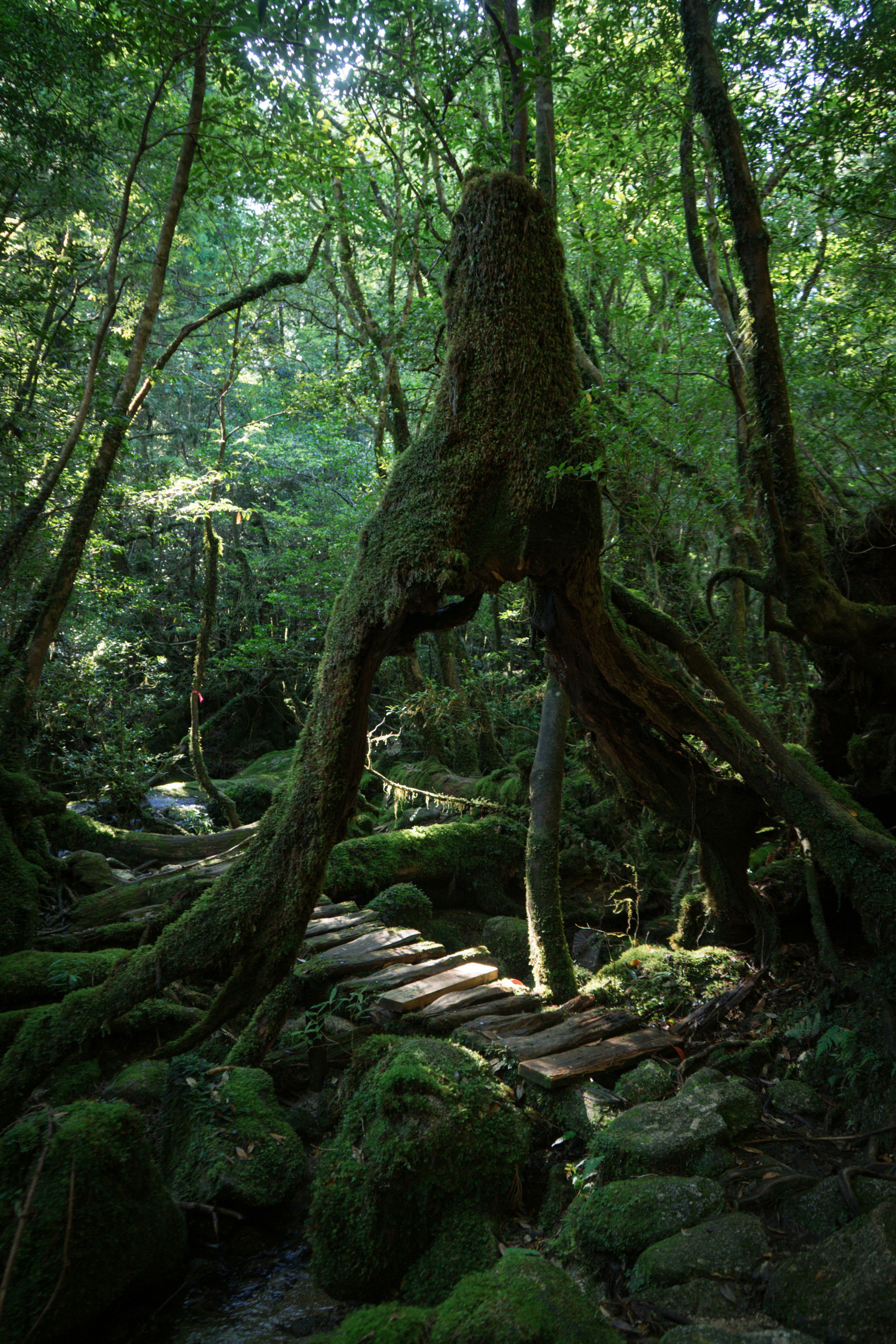
Japan is nearly 70 percent forested, and much of that landscape remains accessible. In the mountains of Yakushima, ancient cedar trees have stood for more than a thousand years, their roots folding over rock in slow, deliberate gestures. Moss covers nearly every surface here, absorbing light and sound until the forest feels suspended, almost interior.
Further north, in the Japanese Alps, larch and beech forests shift with the seasons in ways that are deeply felt rather than simply observed. Spring arrives in a pale green haze, leaves still thin enough to let light through. By autumn, the same slopes deepen into rust and amber, the air cooler, sharper. Even the smell changes—less resinous, more mineral.
These forests are not separate from daily life. They shape it. Timber construction, from rural farmhouses to the refined joinery of Kyoto’s machiya townhouses, reflects a long familiarity with wood as both material and presence. Ingredients gathered from forest edges like sansai mountain vegetables, mushrooms, and wild herbs, appear in seasonal cooking, often prepared simply to preserve their character.
A meal might include warabi, lightly blanched and dressed with soy, or matsutake mushrooms grilled over charcoal, their aroma unmistakable—earthy, but with a note of spice that lingers. These are not ingredients chosen for novelty. They are expressions of place, of a landscape that continues to inform how people eat.
The Onsen: Water as Continuation
If the forest recalibrates through stillness, the onsen continues the process through warmth.
Japan’s volcanic geography has created thousands of natural hot springs, many of them situated at the edges of forests or in remote mountain valleys. Reaching them often requires a shift in pace through a train journey, a winding road, or a final stretch on foot. By the time you arrive, the body has already begun to slow.
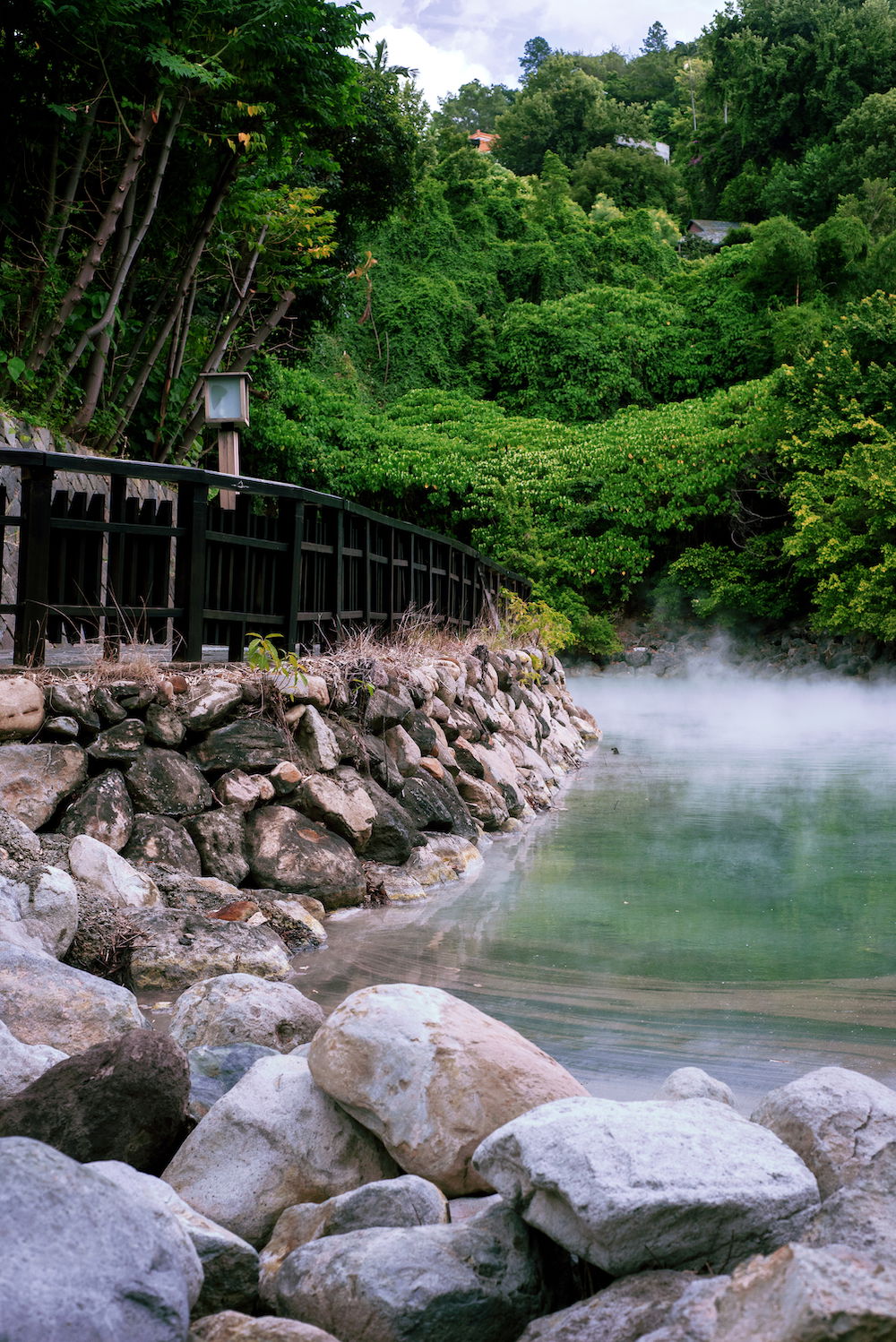
At a ryokan in Hakone, just outside Tokyo, baths are fed by mineral-rich water drawn directly from the earth. Steam rises in thin veils, blurring the line between water and air. The scent is faintly metallic, sometimes sulfurous, depending on the source. You step in gradually. The heat is immediate but not overwhelming. Muscles release in stages.
There is a rhythm to this practice. Wash before entering. Sit quietly. No conversation beyond what feels necessary. The experience is shared, but it remains interior.
Onsen culture is often described as wellness, though that word can feel imprecise. There is no performance here, no optimization. It is simply a continuation of what began in the forest: a recalibration of the body through its surroundings.
Meals at these inns often reflect the same philosophy. Kaiseki dinners arrive course by course, each dish aligned with the season. In autumn, that might mean clear broth with floating yuzu peel, sashimi of river fish, or vegetables arranged in a way that echoes the landscape just beyond the dining room. The meal is not separate from the place. It is another way of experiencing it.
Slowness as Structure
What emerges across these experiences of forest bathing, seasonal cooking, and onsen bathing is not a singular activity but a way of moving through the world.
Travel in Japan often rewards those willing to adjust their pace. A walk through the Arashiyama bamboo grove in Kyoto can feel crowded if approached as a destination. But arrive early, or linger along the river afterward, and the experience shifts. The sound of bamboo knocking lightly against itself becomes more apparent. The light changes as it filters through tall stalks, creating a soft, shifting pattern on the ground.
In Nara, just outside Kyoto, paths through Kasugayama Primeval Forest lead past stone lanterns and small shrines, some partially overtaken by moss. Deer move freely through the area, their presence so integrated that they feel less like wildlife and more like participants in the landscape.
These are not moments designed for display. They resist quick documentation. They ask for time.
Designing a Journey Around Nature in Japan
For those considering Japan through the lens of nature and restoration, the structure of the journey matters as much as the destinations themselves.
Time in Tokyo might begin the trip, offering contrast—neon, density, movement. But the transition outward, whether to Hakone, the Kiso Valley, or the forests of Kyushu, is where the shift becomes tangible. Each region carries its own expression of landscape: volcanic terrain, alpine forest, coastal cliffs shaped by wind and tide.
Private travel allows these transitions to unfold with intention. A guide who understands when to arrive, when to pause, and when to leave. Access to smaller inns where the pace is set by the day’s light rather than a schedule. Conversations with local hosts, craftspeople, cooks, and caretakers of land offer context not as explanation, but as lived experience.
In the Kiso Valley, for instance, walking a section of the Nakasendo Trail between Magome and Tsumago reveals a Japan shaped by movement long before modern infrastructure. The path follows the contours of the land, passing through forest, small settlements, and terraced fields. It is not difficult, but it requires presence. The reward is not a view, but a deeper understanding of how people have moved through this landscape for centuries.
A Different Kind of Return
There is a moment, often toward the end of a stay in Japan, when the shift becomes noticeable. Not dramatic. Subtle. It might be in the way you wake earlier, without effort. Or in how meals take longer, not because of course length but because of attention. Even the act of walking feels different.
This is what these nature-based practices offer. Not transformation in the grand sense, but recalibration. A return to a state that feels both familiar and newly recognized.
For those drawn to this way of traveling—for whom a place reveals itself through repetition, through small details, through time—Japan offers a landscape that supports it. Forests that ask you to listen. Water that holds heat from the earth. And meals that reflect the season without explanation.
It begins, often, with a simple walk among trees. And then, gradually, it becomes something more enduring.


