
Southern India Beaches: Where the Coast Shapes Culture & Cuisine
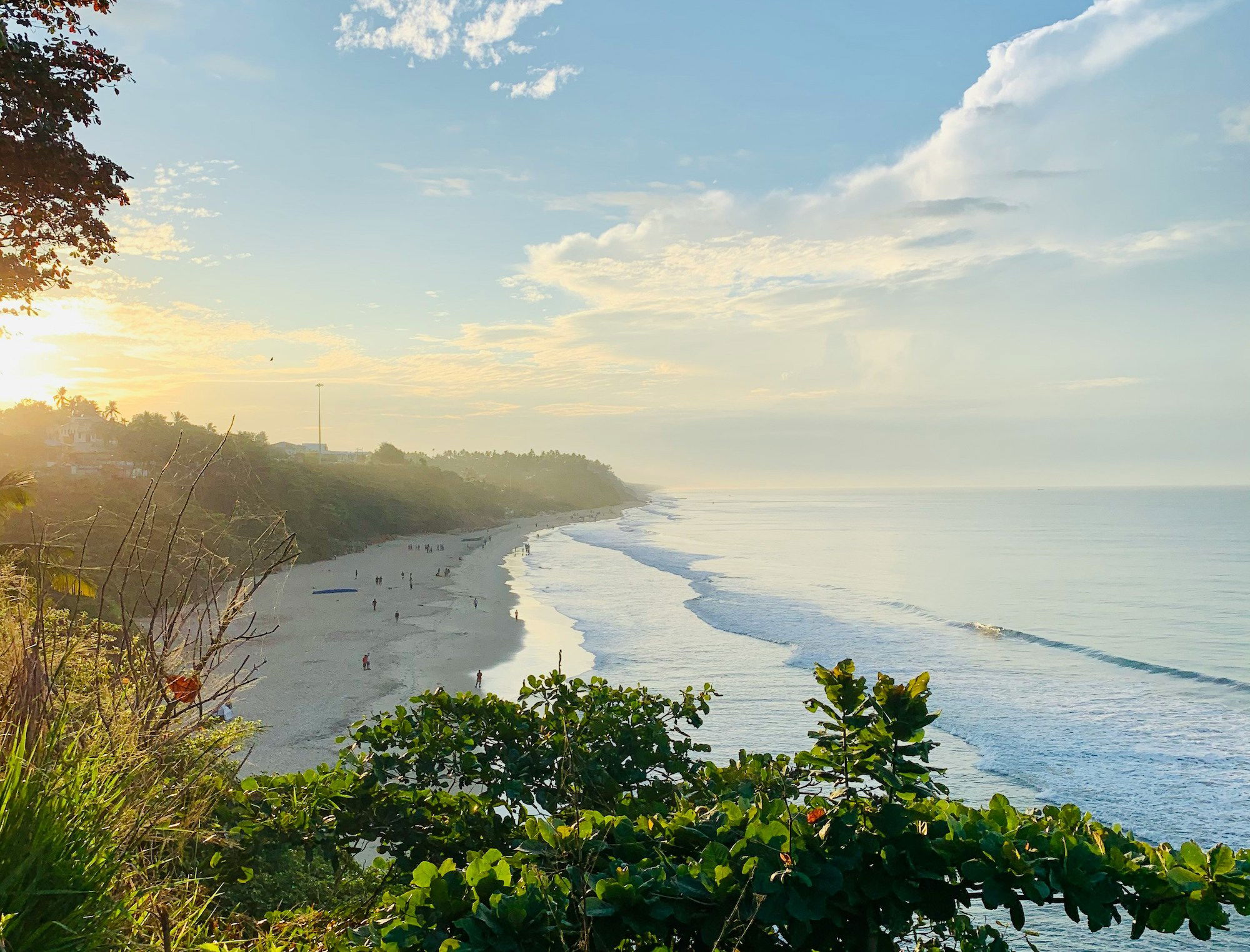
Along the western edge of the Indian subcontinent, the Arabian Sea moves with a steadier rhythm than the Bay of Bengal to the east. Its tides lap against laterite cliffs, palm-lined shores, fishing harbors, and centuries-old port towns that once sat at the center of global trade. In Southern India, the beach is not a retreat from life inland—it is where life has always converged. Commerce arrived by water. Faith followed the same routes. So did spices, languages, techniques, and ideas that reshaped kitchens and communities across the subcontinent.
To understand Southern India beaches is to understand a way of living shaped by salt air and monsoon rains, by boats pulled onto sand at dusk, by kitchens that smell faintly of coconut oil and curry leaves warming in a pan. This is a coastline where luxury does not announce itself loudly. It unfolds through space, slowness, and continuity—qualities that resonate deeply with travelers who value context over spectacle.
The Coastal South, in Contrast
Northern India often enters the imagination through its monuments: Mughal architecture in sandstone and marble, vast plains threaded by the Yamuna and Ganges, imperial cities shaped by dynasties and display. The South tells a different story. Its power has long been quieter, maritime rather than imperial, oriented toward exchange rather than conquest.
The beaches in South India have historically functioned as gateways. Long before European traders arrived, Arab merchants anchored along the Malabar Coast, carrying pepper, cardamom, and cloves westward. Jewish, Christian, and Muslim communities established roots here centuries ago, leaving behind synagogues, churches, mosques, and a layered cultural literacy that still defines daily life.
Where the North often moves inward, the South has always looked outward. This orientation shapes everything from architecture—homes designed for ventilation and shade—to cuisine, where souring agents like kokum and tamarind balance heat, and seafood is treated with restraint rather than excess.

Goa: A Shoreline Written in Layers
Goa’s beaches are often reduced to shorthand: sun, sand, leisure. The reality is more textured. This is a place where Catholic churches rise above coconut groves, where surnames reflect Portuguese lineage, and where vinegar—a colonial import—remains essential to dishes like vindaloo.
In coastal villages, mornings begin early. Fishing boats return before the sun sharpens, their hulls painted in fading blues and reds. The catch is sorted directly on the sand, destined for home kitchens or local markets rather than grand export. Kingfish, pomfret, and mackerel are handled simply and cooked the same day.
The rhythm of life in Goa moves laterally, not vertically. Afternoons stretch long. Conversations linger. Meals are built around availability rather than aspiration. Luxury here lies in proximity: to the sea, to people who still know one another by name, to traditions that have not been streamlined for outside consumption.
For travelers, Goa offers an entry point into Southern India that feels both accessible and revealing. It invites attention rather than performance.
Kerala: Water as Infrastructure, Ingredient, and Philosophy
Further south, Kerala’s coastline shifts the conversation entirely. Known for its backwaters and narrow canals, Kerala is a state shaped by water in all its forms—sea, river, rain. The beaches here are quieter, more elemental. Varkala’s cliffs drop directly into the sea. Marari’s sands remain largely unmarked. The horizon feels uninterrupted.
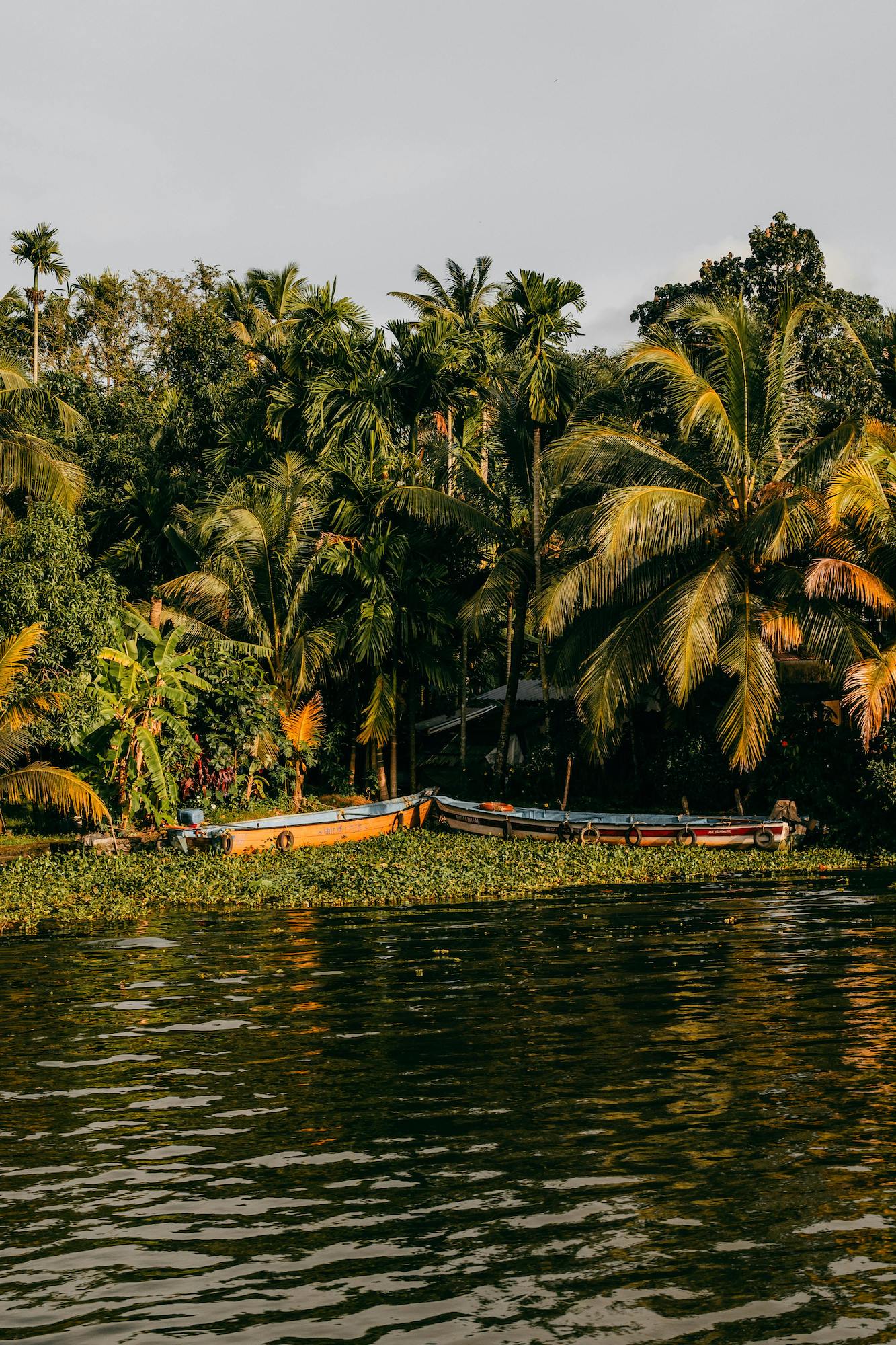
Kerala India beaches have long sustained communities whose diets reflect both abundance and restraint. Coconut palms dominate the landscape, and their presence defines the cuisine: coconut milk softened by green chilies, grated coconut folded into vegetable preparations, oil pressed fresh and used sparingly. Seafood appears daily, often poached, steamed, or gently spiced rather than heavily sauced.
This is a place where wellness is not a trend but a lineage. Ayurvedic practices developed alongside the coastal climate, responding to humidity, heat, and the rhythms of monsoon seasons. Time in Kerala feels restorative because the culture itself has long prioritized balance between land and water, spice and subtlety, effort and rest.
For luxury travelers, Kerala offers something increasingly rare: permission to slow down without apology.
Kochi: A Port That Never Closed
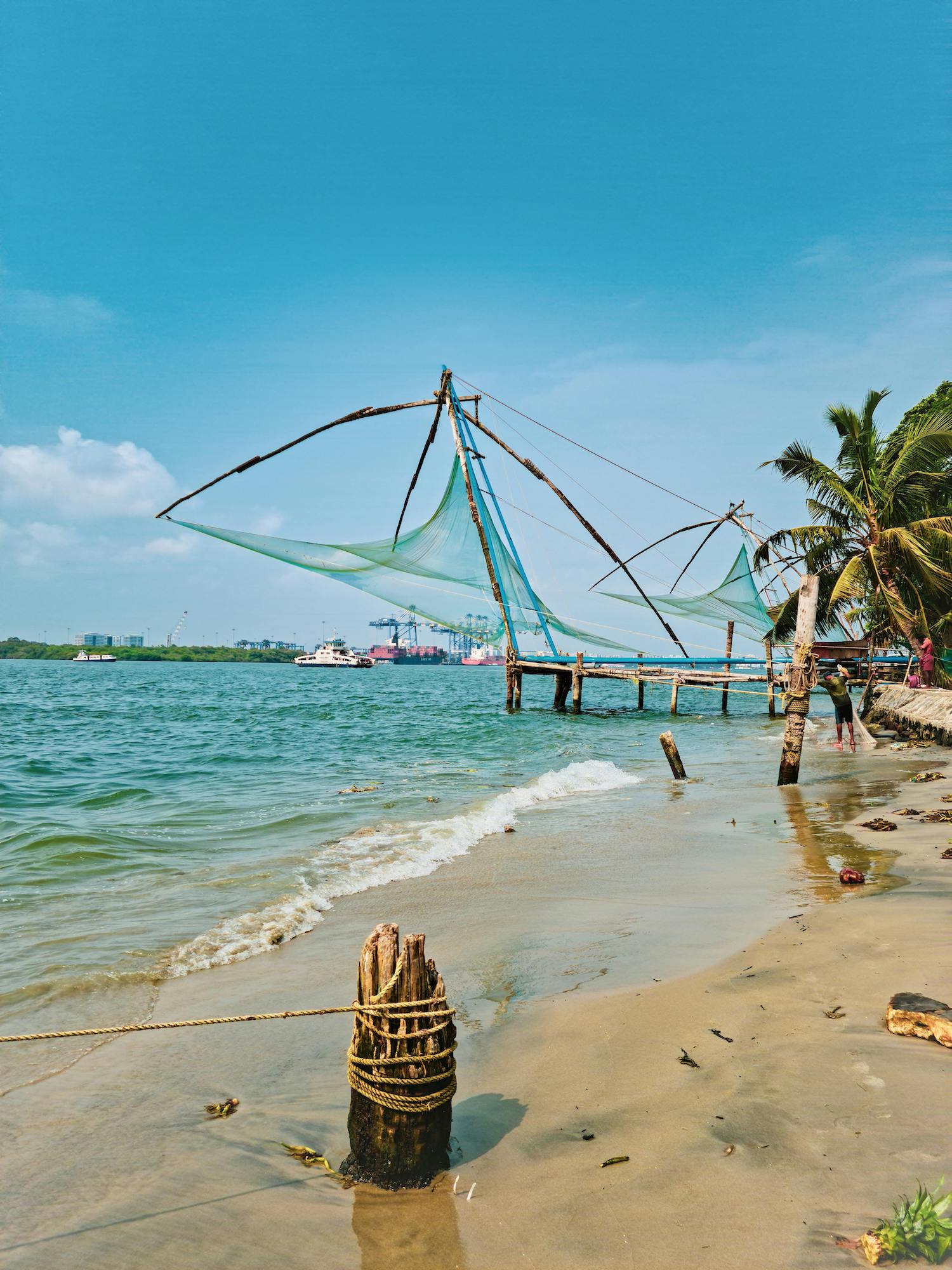
If Goa introduces Southern India’s coastal history and Kerala reveals its natural systems, Kochi brings the story into focus. Known historically as Cochin, this port city has been absorbing the world for over six centuries. The Chinese fishing nets that still silhouette the harbor at sunset are not ornamental—they are working tools, maintained by families who have passed down their use for generations.
In Fort Kochi, Dutch and British colonial buildings sit alongside synagogues and spice warehouses. Pepper, once worth its weight in gold, still perfumes the air in certain corners of the market. The city does not attempt to resolve its contradictions. It allows them to coexist.
Kochi’s culinary identity mirrors its architecture. Dishes borrow techniques and ingredients from across geographies: Syrian Christian stews enriched with coconut milk, Muslim biryanis fragrant with whole spices, Hindu vegetarian meals structured around seasonality and ritual. The result is not fusion, but fluency.
Why Southern India Beaches Appeal to the Luxury Traveler
For those accustomed to high-end travel, the appeal of South India beaches lies not in excess but in coherence. These destinations offer depth without exhaustion, beauty without overstatement. Five-star accommodations exist, but they are often designed to disappear into their surroundings rather than dominate them.
Privacy comes naturally. Space is respected. Experiences are not choreographed for effect. A walk along the beach in the early evening—barefoot, unhurried—feels as intentional as any formal excursion.
This is luxury rooted in understanding. In knowing why a dish tastes the way it does. In recognizing how climate shapes culture. In feeling welcomed not as a spectator, but as a participant with the time and curiosity to notice.
Traveling With a Cultural Interpreter
Experiencing Southern India fully requires more than geography. It benefits from interpretation—someone who understands how flavor, memory, and place intersect. On this journey, that role is filled by Vish Mayekar, a Mumbai-born chef whose cooking reflects a lifetime of movement between India and the world beyond it.
Vish’s relationship with Southern India is not academic. It is personal, sensory, lived. He understands the logic behind coastal spice blends, the reasons certain ingredients appear together, the histories that shaped regional kitchens long before they were labeled as such. Traveling alongside him on a Southern India culinary tour offers access not only to places, but to context—the kind that deepens each meal, each conversation, each quiet moment by the sea.
A Coastline That Lingers
Southern India beaches do not compete for attention. They wait. Their appeal grows over time, revealing itself through repetition and presence. A morning spent watching fishermen mend nets. An afternoon thunderstorm rolling in from the sea. Dinner served without commentary, confident in its own balance.
For travelers drawn to places with continuity—to cultures that have evolved without severing their roots—South India offers rare alignment. It is a region best approached slowly, with intention, and in good company.
Book your journey to Southern India today.

Join us in India with Private Travel.
If the small-group departure to Southern India isn’t the right fit for you, our expert travel team can plan a bespoke journey to India especially for you.


