
Buenos Aires Street Art: Murals, Politics & the Neighborhoods to Explore
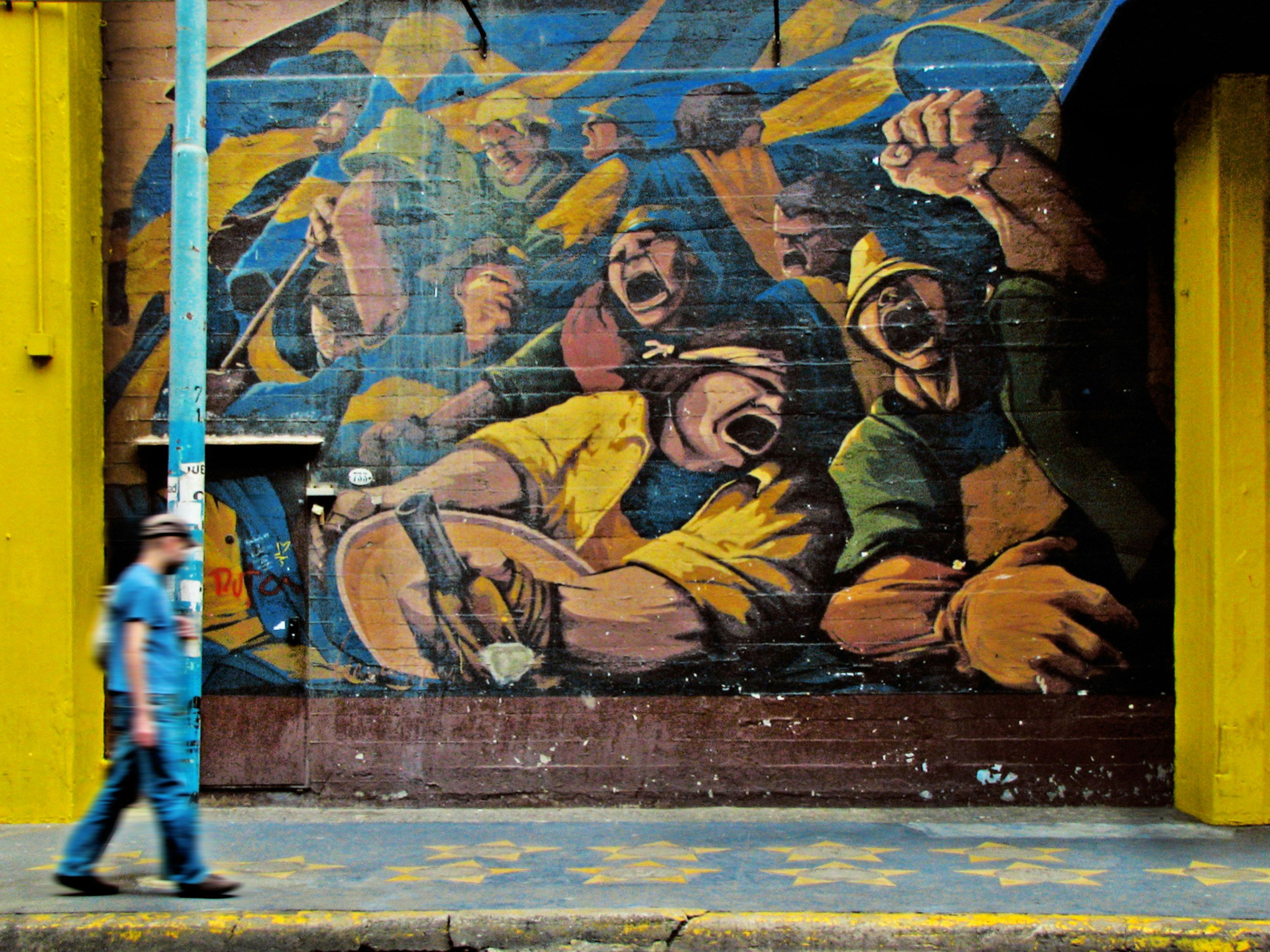
Buenos Aires has long used its walls to speak. Political memory, neighborhood identity, and contemporary art overlap across façades from La Boca to Palermo, turning a walk through the city into a lesson in who gets to shape public space. The first thing to understand about street art is that the wall is never blank. Before the mural there was a building. Before the building, perhaps a factory, a family home, a political meeting place, a shop. Someone owns it. Someone lives across from it. Someone remembers what was painted there before.
In Buenos Aires, those layers are unusually visible. Murals stretch across industrial walls in Barracas. Paper works in Colegiales slowly surrender to weather. In La Boca, contemporary public art exists in the shadow of Benito Quinquela Martín, the painter who made the port, its workers, and their labor central to his art. To understand Buenos Aires street art, then, it helps to stop thinking about the city as an outdoor gallery. Galleries preserve. Streets argue, remember, change, and paint over themselves.
Why does Buenos Aires have so much street art?
Part of the answer is practical. Buenos Aires has historically offered artists a relatively permissive environment for murals. City tourism authorities note that artists generally need permission from the property owner or residents’ association, while the city itself has commissioned large-scale public works. But legality doesn’t explain why the walls matter.
Buenos Aires has a long history of political expression in public space, and the city’s official tourism materials explicitly connect its mural culture with changing political currents. Paint here can advertise, memorialize, protest, beautify, provoke, or simply claim space. Sometimes it does several at once.
Politics has always had a place on the wall
To walk Buenos Aires with someone who understands its visual culture is to learn that public memory does not reside exclusively in monuments. Sometimes it is underfoot. Since 2006, activists have created baldosas por la memoria, handmade memorial paving stones marking places associated with people disappeared or murdered during Argentina’s 1976–1983 dictatorship. Scholars have described the project as a form of everyday memorialization embedded directly into the city’s pavements. Elsewhere, walls carry political posters, stencils, portraits, slogans, and memorial imagery. Some interventions are temporary by design. Others become neighborhood landmarks. New paint can cover old arguments while leaving traces around the edges. This is why a street-art tour divorced from Argentine history misses so much of what is happening. The image matters. So does the reason someone put it there.
Murals versus graffiti: what are you actually looking at?
“Street art” is useful shorthand, but it can flatten very different forms of public expression. A commissioned mural covering the side of an apartment building isn’t functioning the same way as an unauthorized tag. A stencil responding to a political event operates differently from a decorative work commissioned by a business. Paste-ups introduce another kind of impermanence because paper changes with rain, sun, and time. Memorial works ask something different again. Buenos Aires contains all of them. Learning to recognize those distinctions changes the walk from a search for impressive images into a way of reading the city.
Where to see Buenos Aires street art
Buenos Aires’ public art is dispersed rather than contained within a single district. Palermo, Colegiales, Villa Crespo, Barracas, Montserrat, and La Boca among the neighborhoods where murals and graffiti are particularly visible. We’d resist trying to see them all. Instead, choose neighborhoods that tell different stories.
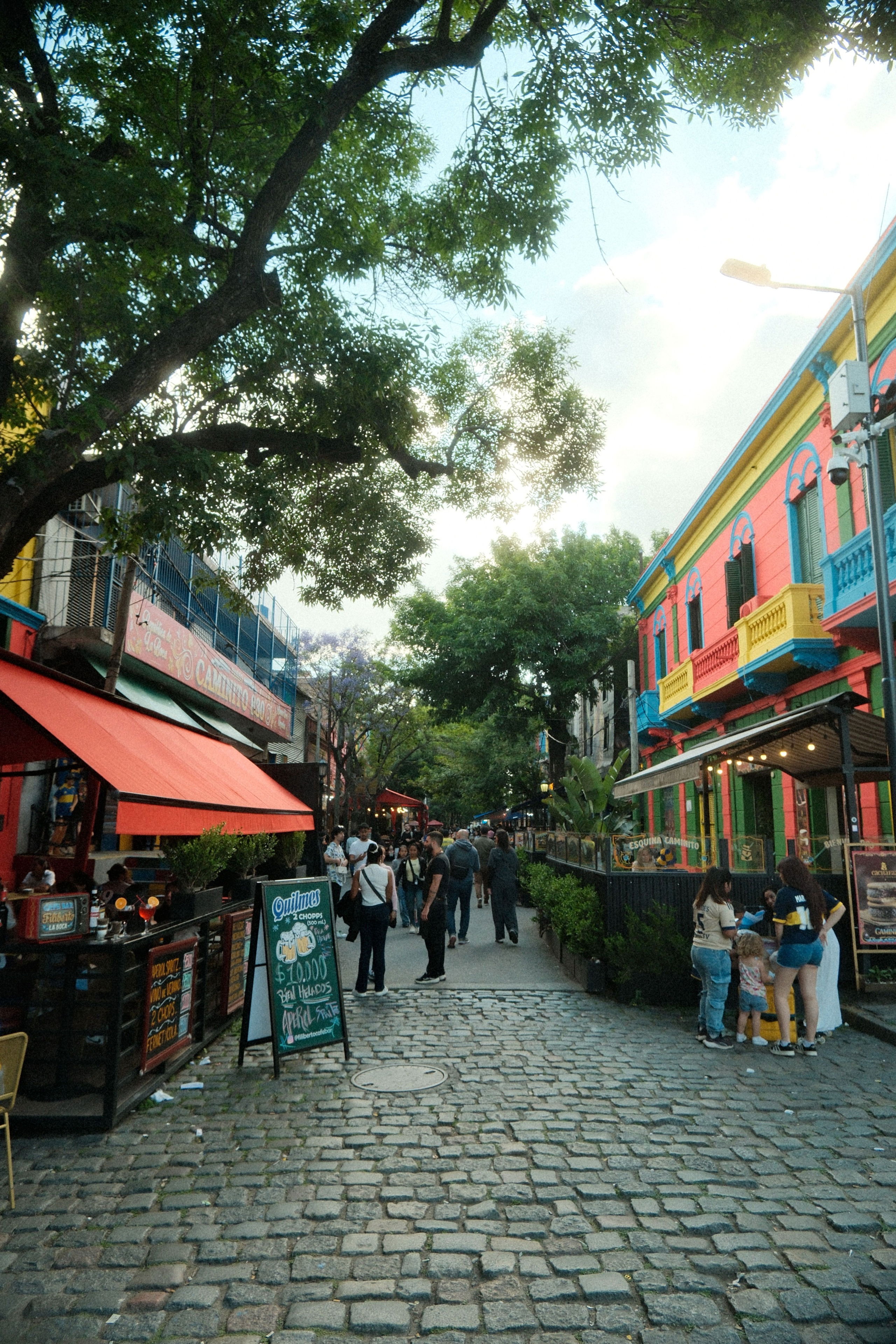
La Boca: Art, immigration, work, and neighborhood identity
La Boca has been represented so often that its colors can become shorthand for Buenos Aires itself. Look longer.
The neighborhood’s artistic identity is inseparable from Benito Quinquela Martín, who grew up around the port and repeatedly painted its ships, laborers, smoke, water, and industry. Quinquela also understood art as something that belonged in public life. Murals he created for the Pedro de Mendoza School centered specifically on La Boca and the world familiar to the children who would see them.
That history provides useful context before looking at contemporary interventions nearby. Public art in La Boca isn’t a new layer placed on an otherwise neutral neighborhood. It joins an existing conversation.
Barracas: Murals at another scale
Move into Barracas and the walls get bigger. Here you’ll find El Regreso de Quinquela, Alfredo Segatori’s sprawling homage to Quinquela Martín. Painted in 2013, the approximately 2,000-square-meter mural combines imagery from Quinquela’s work with portraits of local residents, an idea Segatori developed through conversations with people in the neighborhood. That last detail matters more than its size.
A mural inspired by an artist who painted neighborhood labor now contains the faces of people living there generations later. Public art becomes a conversation across time. Elsewhere in Barracas, Pasaje Lanín offers another approach: artist Marino Santa María intervened across dozens of building façades, turning the street itself into a sustained work.
Colegiales: A neighborhood as canvas
Colegiales offers something more fragmented. Murals appear among tree-lined streets, older houses, newer buildings, and the Mercado de Pulgas. Around the neighborhood you’ll encounter aerosol, paint, paste-ups, and mixed-media works. The materials themselves can change the experience.
BA Paste Up, for example, works in paper, meaning weather damages the pieces and requires them to be repaired. Other Colegiales murals incorporate physical objects or respond directly to neighborhood stories. Nearby, the Mercado de Pulgas extends the conversation into furniture, antiques, restoration, decorative objects, and contemporary art. Here, street art belongs to a broader ecosystem of making and remaking.
Palermo and Villa Crespo: Contemporary street culture
In Palermo and neighboring Villa Crespo, murals increasingly share space with galleries, design businesses, restaurants, and commercial commissions. That makes the neighborhoods interesting for precisely the reason some purists might dismiss them.
What happens when street art becomes desirable? When does an intervention become decoration? When does a mural become branding? Does commercial patronage necessarily diminish the work? There isn’t one answer. Walk with an artist and those tensions become part of the day rather than something edited out of the story.
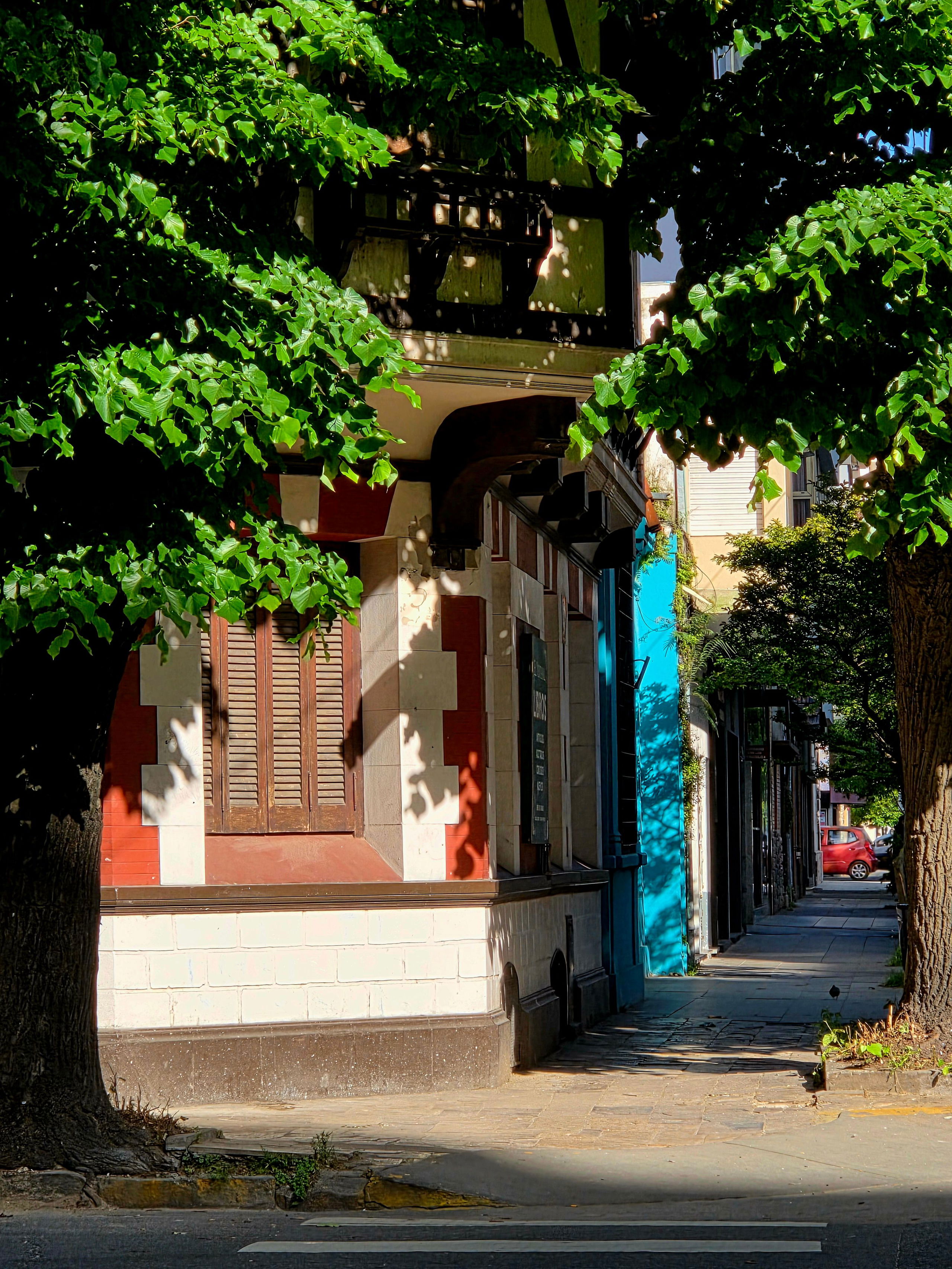
How we’d spend a day exploring Buenos Aires through public art
Start in the south. A morning in La Boca can establish the relationship between neighborhood identity and visual culture through Quinquela Martín before moving toward Barracas, where the scale and language of contemporary murals changes. Lunch creates a necessary pause. Then cross the city. Spend the afternoon in Colegiales or Villa Crespo with an artist who can introduce current work, perhaps adding a studio or gallery visit where relationships allow. Don’t end with another mural. End somewhere people are actually gathering. Buenos Aires’ walls make more sense when you remember that the city around them is still being lived.


