
How We’d Design a Week of Art in Madrid
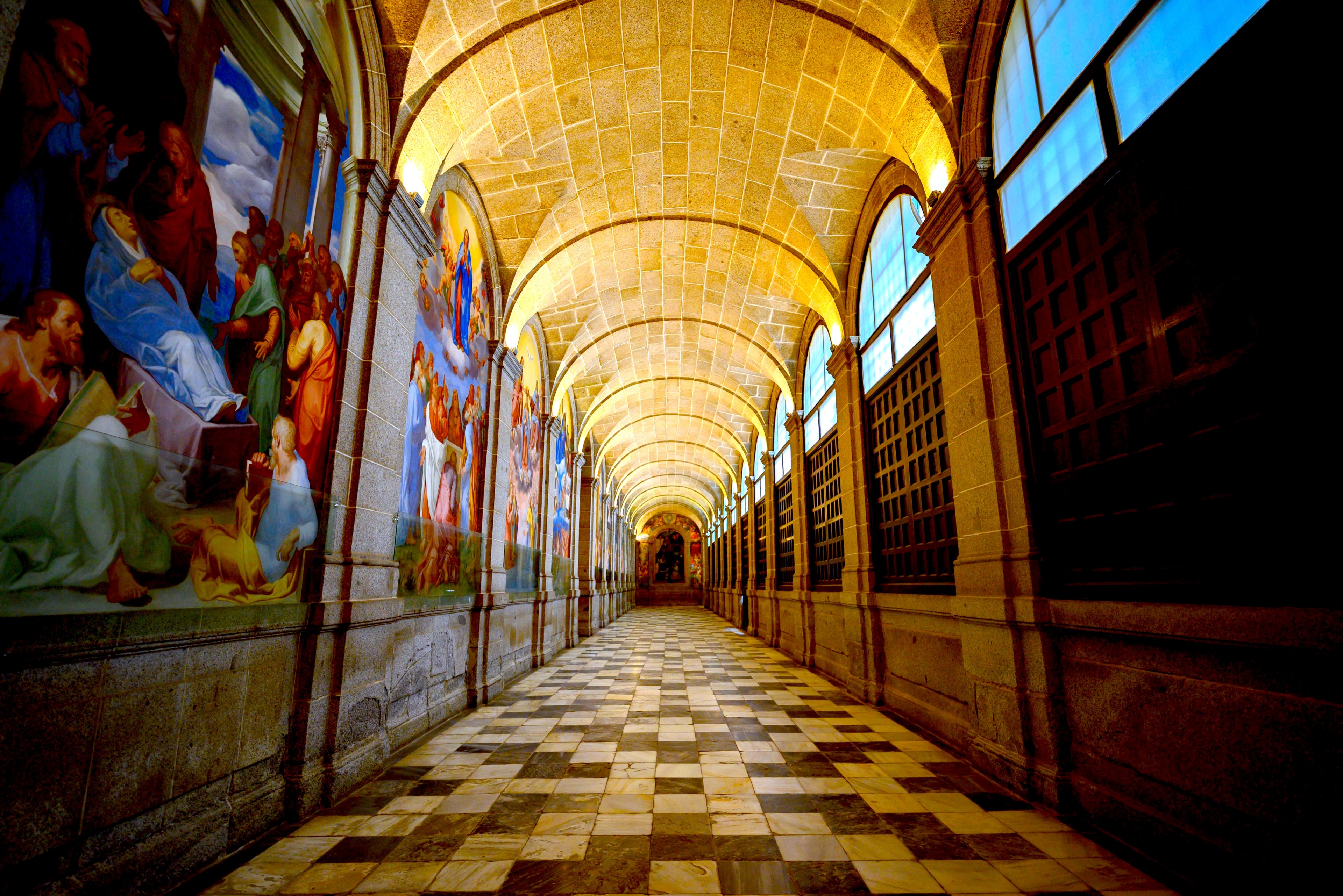
The Prado deserves more than a hurried morning. Here’s how we’d spend seven days in Madrid for travelers who want to understand the city through Velázquez and Goya, contemporary art, architecture, private collections, and the neighborhoods between them. There is a particular danger in visiting Madrid with a museum checklist. The Prado before lunch. The Thyssen-Bornemisza after. Reina Sofía tomorrow morning, followed by whichever palace, plaza, or restaurant reservation is next. Technically, you will have seen some of the greatest collections in Europe. Whether you will remember much about them by the flight home is another question. Madrid rewards a different approach.
Along the city’s Paseo del Arte, the Prado, Thyssen-Bornemisza, and Reina Sofía sit within a stretch of roughly two kilometers. Beyond them are house museums, galleries, architecture, artist studios, and neighborhoods where the conversation about Spanish art continues outside museum walls. For someone who travels because of art, that is enough material for an entire Madrid itinerary.
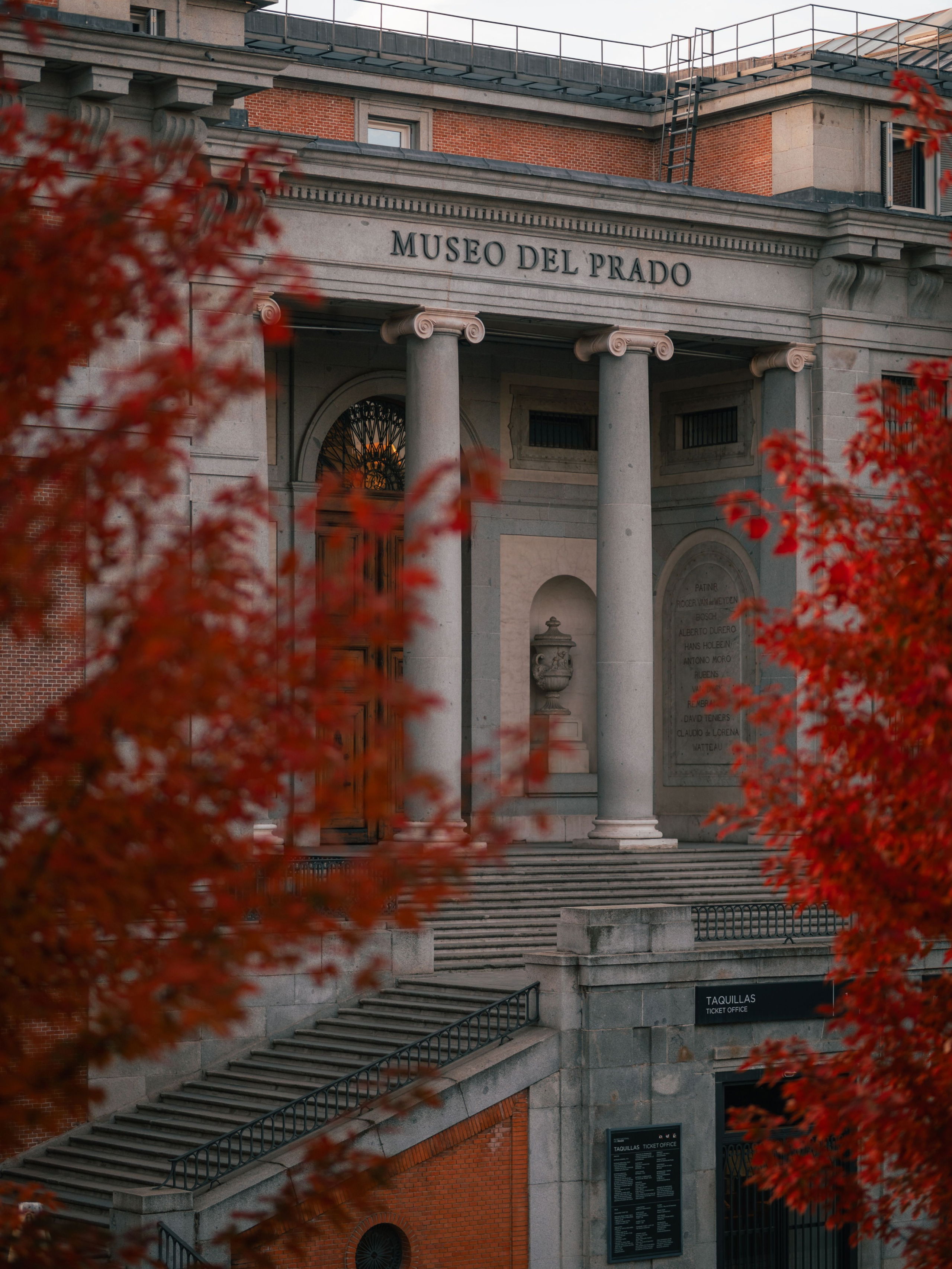
Can you plan an entire week focused on art in Madrid?
Absolutely. Seven days allows enough time to visit Madrid’s three major art museums without compressing them into a marathon, while leaving room for smaller collections, galleries, architecture, and the city itself. More importantly, a week creates space to return to a museum or artist after you’ve learned enough to see the work differently. That last part matters. Because Madrid isn’t simply a city with a lot of art. It is a place where one collection can change the way you understand the next.
What makes Madrid one of Europe’s great cities for art?
The answer begins with the Spanish monarchy. The Prado’s collection grew from centuries of royal collecting, beginning in earnest under Charles V and continuing through the Habsburg and Bourbon dynasties. These collectors weren’t trying to assemble an encyclopedic history of Western art. They bought deeply from artists they admired. The result is what the Prado itself describes as a “museum of painters rather than paintings,” with extraordinary concentrations of work by Titian, Bosch, Rubens, Velázquez, El Greco, and Goya.
That depth changes the experience. You aren’t meeting Velázquez once. You can follow an artist across decades, noticing the questions that persisted and the technique that changed. You can stand before Las Meninas, then carry what you noticed into another gallery rather than immediately leaving for the next attraction.
A short walk away, the Thyssen-Bornemisza fills some of the historical gaps left by Spain’s royal collections. Its holdings stretch across roughly seven centuries, from Old Masters through Impressionism, Expressionism, and twentieth-century American painting.
Then Reina Sofía changes the conversation again, carrying the story into modern Spain. Together, the three museums make Madrid unusually well suited to travelers who want to understand art chronologically, politically, and in conversation with what came before.
How we’d spend seven days exploring Madrid through art
Day 1: Begin with Madrid itself
Art makes more sense once you understand the city that collected it. The first day would be deliberately light: a walk through central Madrid and the Paseo del Prado, looking at architecture and public space while an expert guide introduces the political and cultural forces that shaped the collections you’ll see later. The point isn’t to “cover” Madrid. It’s to establish a vocabulary.
Notice where royal power sits in the city. Look at how old palaces have become cultural institutions. Pay attention to the physical proximity of the Prado, Thyssen, and Reina Sofía. By tomorrow morning, paintings won’t be floating independently on white museum walls. They will have a context.
Day 2: The Prado, without watching the clock
This is the day we’d protect. The Prado opened to the public in 1819 with 311 paintings on display, although its royal holdings already numbered more than 1,500. Today its scale makes trying to “do the Prado” in one sweep a particularly efficient way to stop seeing anything at all.
Instead, we’d build the visit around a few threads. Perhaps Titian first, whose work helped establish the direction of Spanish royal collecting. Then Velázquez and Las Meninas. Bosch’s strange, densely populated Garden of Earthly Delights. Goya, where court portraiture eventually gives way to something darker.
An art historian can help connect those rooms rather than simply recite dates beside them. Then stop. Lunch should last long enough for the morning to settle. The afternoon can remain largely unscheduled, because four concentrated hours of looking can be more rewarding than eight spent collecting museum admissions.
Day 3: Fill in the gaps at the Thyssen-Bornemisza
The next day answers a question the Prado inevitably creates: what happened elsewhere? The Thyssen-Bornemisza is especially useful because its collection was assembled very differently. Its almost 1,000 paintings span Western art from the late thirteenth through twentieth centuries, bringing Van Gogh, O’Keeffe, Hopper, Kandinsky, and other artists into a conversation that feels noticeably different from the Prado’s royal lineage. This isn’t the “secondary” museum day. It is the connective tissue.
Day 4: Picasso, Guernica, and twentieth-century Spain
By the time you reach Reina Sofía, you’ve already seen Goya’s depictions of violence and war. That context makes Picasso’s Guernica harder to encounter as simply a famous painting. Picasso created the work for the Spanish Pavilion at the 1937 Paris International Exposition after learning of the bombing of the Basque town of Gernika during the Spanish Civil War. The painting eventually returned to Spain in 1981 and moved to Reina Sofía in 1992.
Here, an expert-led visit can move beyond Picasso to the wider artistic and political world surrounding the painting. The museum becomes a place for understanding twentieth-century Spain rather than another room containing a masterpiece.
Day 5: Beyond Madrid’s “Big Three”
After three major museums, scale down. Madrid’s smaller collections allow for something more intimate. Depending on current exhibitions and access, this could mean photography, decorative arts, a private collection, or one of the city’s historic artist homes.
The Museo Sorolla is particularly worth watching as it enters a new chapter: an expanded museum space opens October 15, 2026, while restoration of Sorolla’s historic house continues. The point of the day isn’t a particular institution. It’s contrast. A domestic room asks you to look differently than a monumental gallery.
Day 6: Contemporary Art in Madrid
Art history shouldn’t end because the textbook does. Spend the day with someone connected to Madrid’s current creative community: a curator, artist, or gallerist who can lead you through exhibitions and neighborhoods based on what’s happening now.
A gallery appointment might lead to a studio conversation. A contemporary exhibition might change the way you think about something you saw at the Prado four days earlier. That possibility is precisely why we wouldn’t determine every stop months in advance.
Day 7: Go back to your favorite Madrid Museums
Most Madrid itineraries would use the final day to add another attraction. We’d rather return. Maybe Goya has been bothering you all week. Maybe you keep thinking about a single room at the Thyssen. Maybe seeing Guernica changed the way you remember The Third of May 1808.
Go see it again. The painting hasn’t changed. You have.
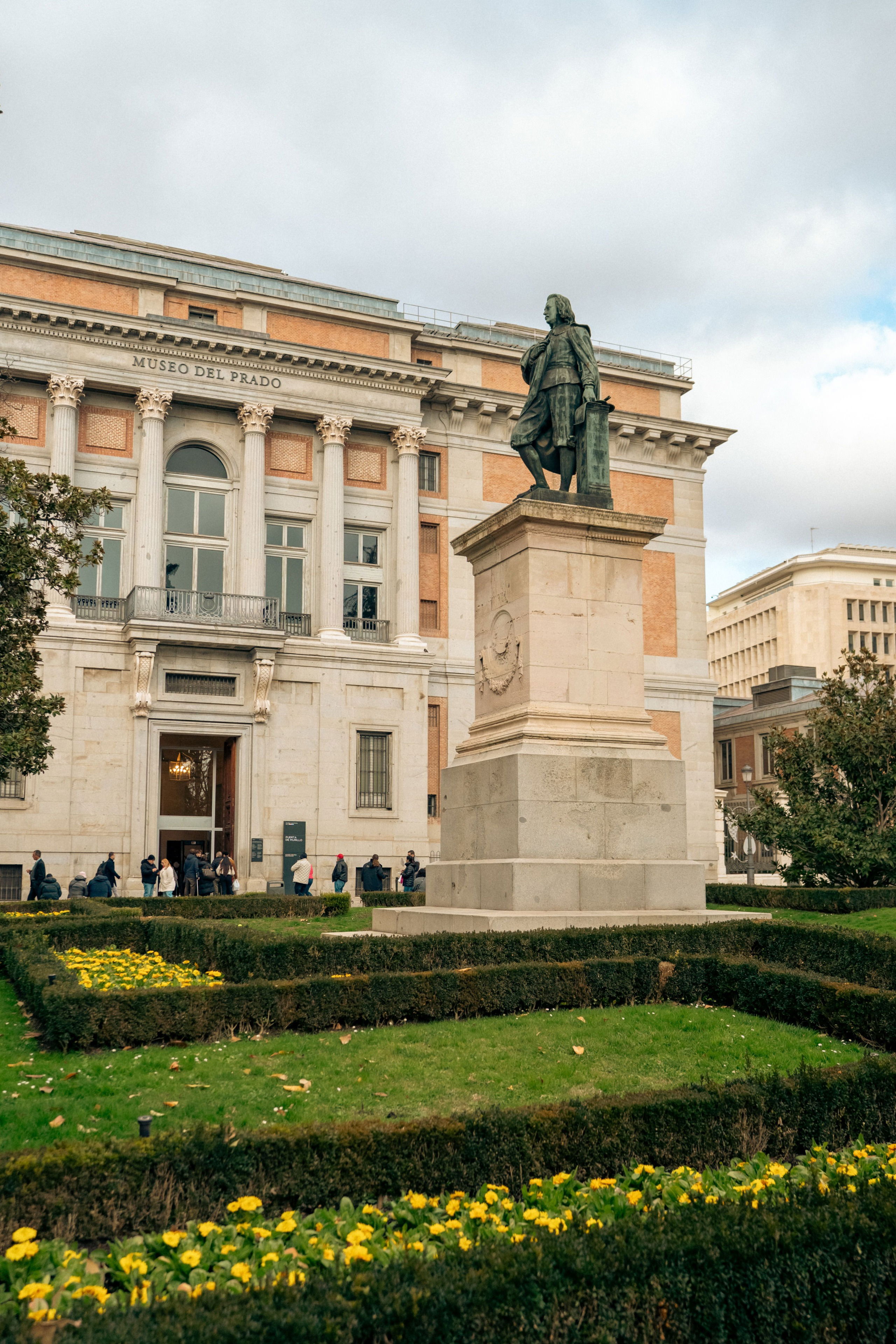
Why we wouldn’t try to see every museum in Madrid
There is a point, usually several galleries after your feet begin to ache, when another masterpiece becomes simply another rectangle on a wall. That isn’t a failure of interest. It’s attention reaching its limit. For an art-focused Madrid itinerary, luxury isn’t getting into more museums. It’s having enough time to look closely, stop when you’ve had enough, and return when curiosity pulls you back. A well-designed trip protects that attention
How private access changes an art-focused trip
The most useful access isn’t necessarily a locked door opening after hours. Sometimes it’s the person standing beside you. An art historian can connect Goya to Picasso. A curator can explain why a contemporary artist is responding to an idea you encountered three days earlier. A gallerist can introduce the people shaping Madrid’s creative life now. Where appropriate and available, private collections, specialist visits, gallery appointments, and access outside standard experiences can add another dimension. But access is only valuable when it gives you greater understanding. That’s what we’d design around.
Planning an art-focused Madrid itinerary: Frequently Asked Questions
How many days do art lovers need in Madrid?
Five days is enough for a strong art-focused Madrid itinerary, but seven allows substantially better pacing. A week provides time for the Prado, Thyssen-Bornemisza, Reina Sofía, smaller collections, galleries, and architecture without scheduling major museums back-to-back every day.
Which Madrid museums should art lovers prioritize?
For a first art-focused trip, begin with the Prado, Thyssen-Bornemisza, and Reina Sofía. Together they create an unusually broad narrative stretching from Old Masters and Spain’s royal collections into modern and contemporary art.
Is it worth visiting the Prado twice?
For serious art lovers, yes. A second Prado visit allows you to concentrate on particular artists or return to works after gaining context elsewhere in Madrid.
What other art museums are near the Prado?
The Thyssen-Bornemisza and Reina Sofía are both along Madrid’s Paseo del Arte, alongside other cultural institutions.
What is the best way to avoid museum fatigue?
Limit major collections to one per day, visit with a specific question or theme, and leave time afterward without another scheduled cultural attraction. A great collection deserves more than an afternoon. Sometimes, it deserves the trip.


