
National Park Trips to Book This Year
The best national park trips are not about covering ground. They are about the difference between standing at an overlook with fifty other people and standing there with one guide who knows exactly when the light will turn and exactly which trail will be empty at that hour. Private travel changes the terms of a national park vacation entirely, not by adding luxury for its own sake, but by giving you the access, pacing, and expertise to actually experience a landscape rather than simply pass through it. Below, four regions in the American West where that distinction matters most, and where a private journey makes the difference most visible.
Yellowstone & Grand Teton: Wide-Open Space, Done at Your Own Pace
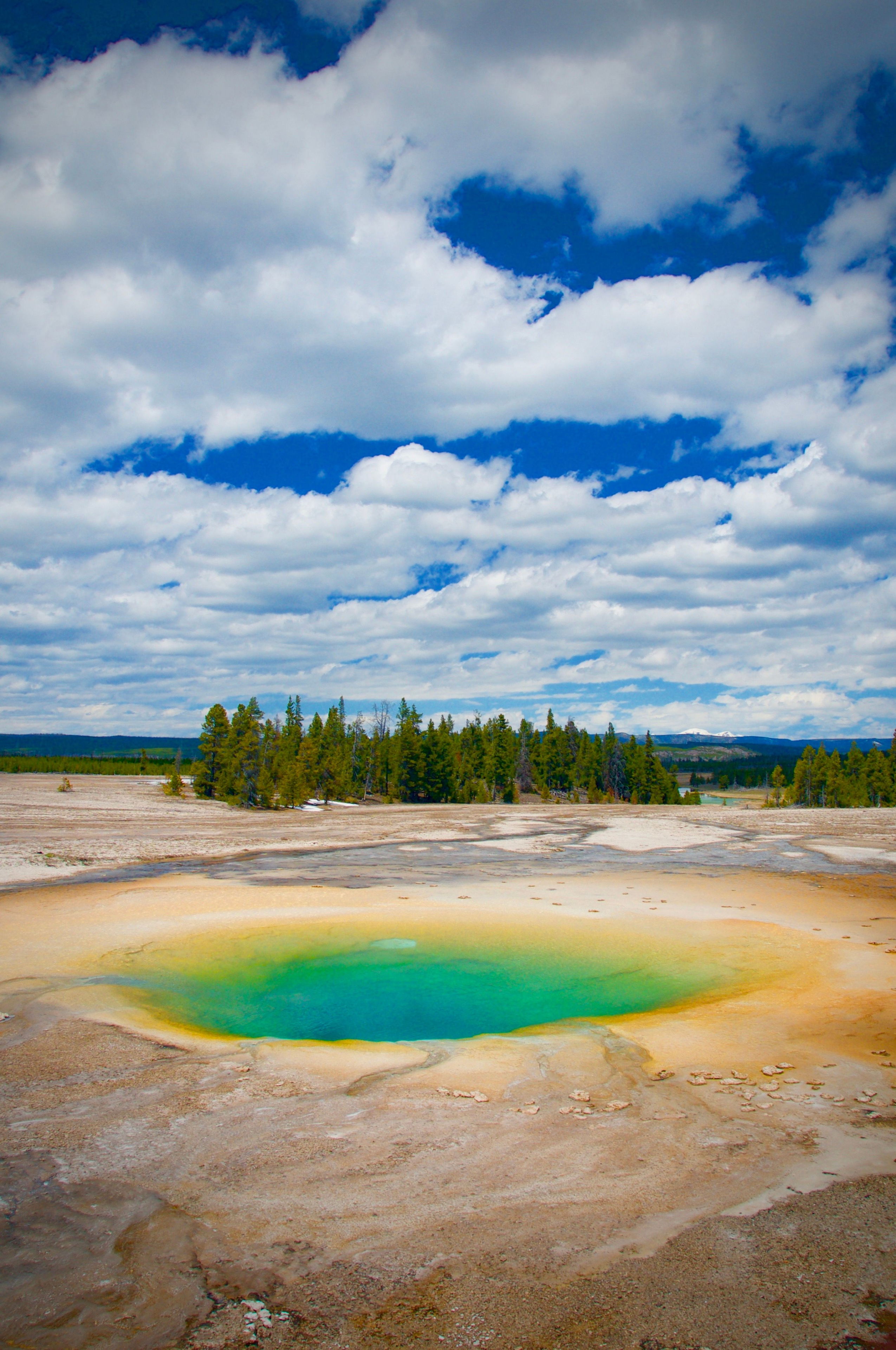
Yellowstone is the country’s oldest national park, and it still moves at a scale that resists hurrying. Geyser basins steam against cold mountain air. Bison move across open valleys in numbers that make a rental car feel like the wrong way to see any of it. A private guide changes the math here, not just the access to backcountry trailheads most visitors never find, but the timing. Wolves and grizzlies are most active at dawn, and a guide who has tracked this landscape for years knows which valley to be in before sunrise, rather than guessing from a pullout at noon.
South of Yellowstone, the Tetons rise straight out of the valley floor with no foothills to soften the approach, a geological abruptness that makes them some of the most photographed mountains in the country and somehow still startling in person. Alpine lakes sit at their base, cold and glassy enough to mirror the peaks on a still morning. Fly fishing on the Snake River or one of the smaller spring creeks nearby is its own kind of meditation, taught properly by a private guide who can read a river the way a sommelier reads a vintage. Days here feel grand in scale and simple in structure: a morning on the water, an afternoon hike to a lake few visitors reach, dinner at a lodge with a view that does not need narration.
Yosemite & the Sierra: Granite, Stillness, and the Trails Most Visitors Skip
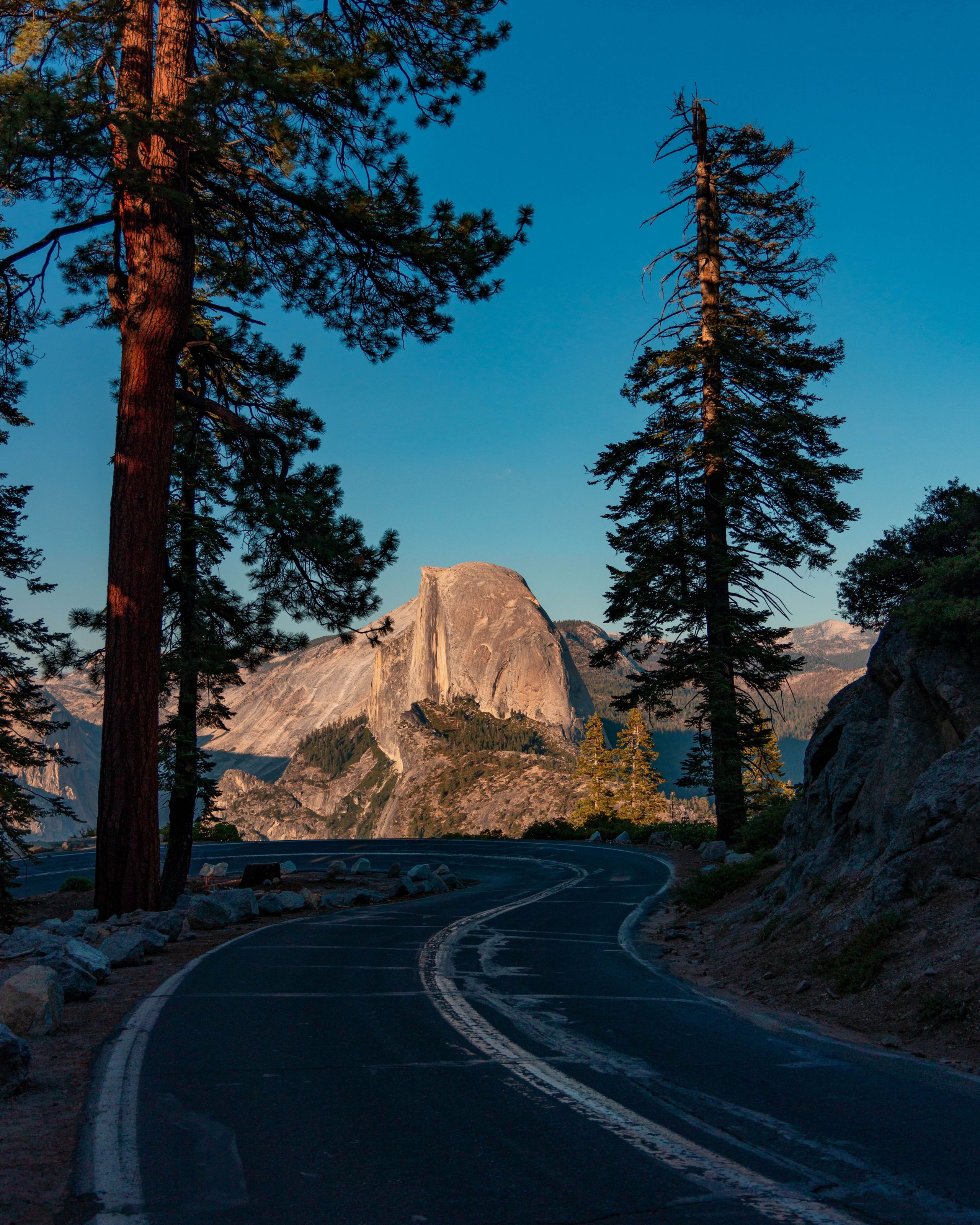
Yosemite Valley draws a crowd for good reason. El Capitan and Half Dome rising directly from the valley floor are genuinely staggering, no matter how many photographs you have seen beforehand. But the valley is also the most congested few square miles in the entire National Park System, and the real reward of a private Sierra trip lies in everything just outside it: granite-walled side canyons, swimming holes fed by snowmelt that stays achingly cold well into summer, and trails into the high country where the crowds simply stop following.
The Sierra Nevada’s clear air and high elevation also make it one of the best stargazing landscapes in the country, particularly once you’re far enough from the valley’s light glow to see the Milky Way without effort. A private guide who knows the terrain can time a hike to end at a ridge just as the sky goes dark, or route a day around the granite domes and hidden lakes that don’t appear on the standard map handed out at the entrance station. This is a landscape that has a way of interrupting conversation entirely as you round a bend, the granite opens up, and there is genuinely nothing to say for a moment.
Glacier & Montana: Big Sky, Cold Rivers, and Cinematic Trails
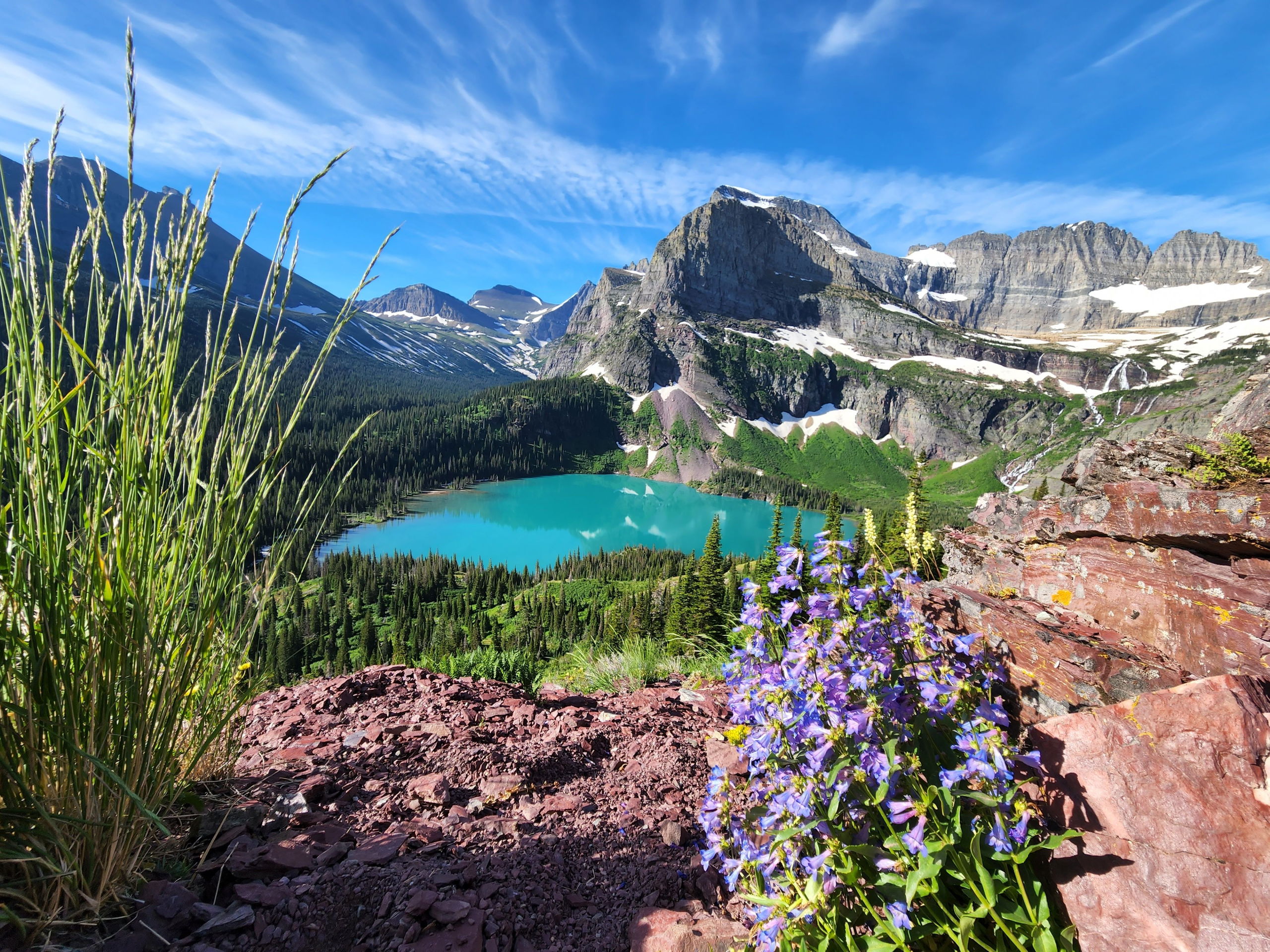
Glacier National Park sits along the Continental Divide in Montana’s northwest corner, a landscape carved by ice into jagged peaks, turquoise lakes, and valleys so dramatic that “cinematic” undersells it. The Going-to-the-Sun Road, climbing through the park’s center, offers views that shift completely every few hundred feet of elevation gain, and a private itinerary can time the drive—and the hikes that branch off it—around the early morning light that turns the lakes a color that looks almost unreal in photographs and somehow more vivid in person.
Montana beyond the park boundary deserves equal time. This is horseback country, with ranch-based rides through high pasture and forest that put you in direct contact with a landscape most visitors only see from a car window. The state’s rivers are cold, clear, and famous among fly fishers for good reason and run through some of the same valleys. A few days based out of a well-placed mountain lodge, moving between river, trail, and saddle, capture something about Montana that a single-day park visit cannot.
The Southwest: Red Rock, Ancient Stories, and Unforgettable Light
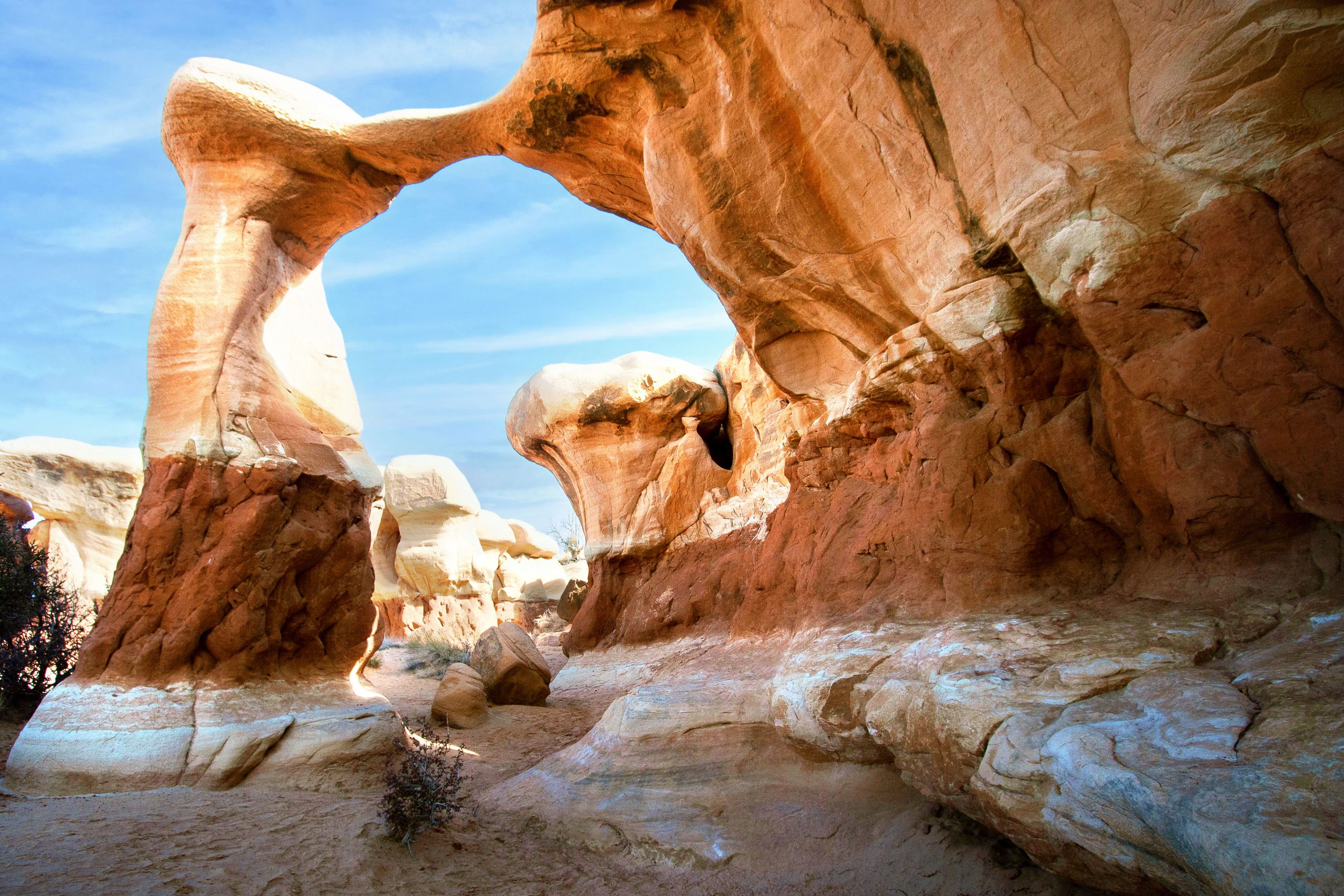
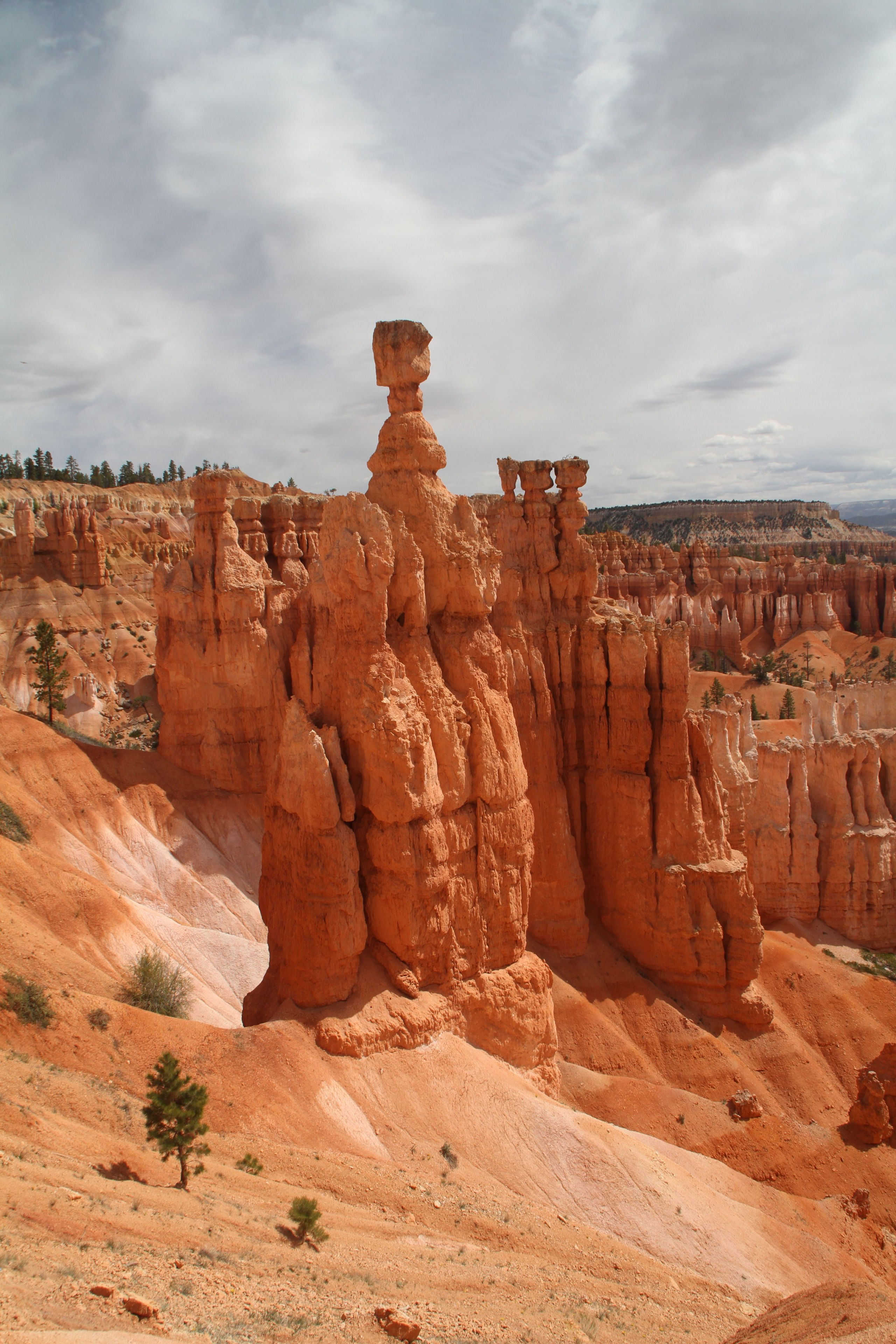
No single park captures the Southwest, because its power comes from the range across just a few hundred miles: Zion’s narrow slot canyons and sheer sandstone walls, Bryce Canyon’s amphitheater of hoodoos turning orange and pink at sunrise, the Grand Canyon’s almost incomprehensible scale, Sedona’s red rock formations rising against some of the clearest skies in the country, and Santa Fe’s adobe architecture and centuries-deep layering of Indigenous, Spanish, and American history.
This is also a region where history is not background scenery but the main subject. Ancestral Puebloan dwellings, centuries-old trade routes, and present-day Indigenous communities all shape how this landscape should be understood, and a private guide with genuine local relationships can offer context that a printed trail map never will. Mornings here tend to be clear and cool before the heat sets in, which is exactly when the light is best for both hiking and watching a sunrise turn an entire canyon a different color in the space of twenty minutes.
Why Private Travel Changes the Equation
A national park vacation built around a fixed group itinerary will always move at the pace of the group. A private journey moves at the pace of the landscape and the light, with a guide who can adjust for weather, wildlife, and a traveler’s actual energy that day rather than a schedule printed months in advance. Our private travel team designs trips across each of these regions, drawing on guides and lodges we return to season after season, built entirely around how you want to move through a place rather than how many stops fit into a day.
For those drawn to this way of traveling, the parks themselves are only the beginning of the conversation. The rest is a matter of timing, access, and the right person beside you on the trail.
We’re ready to be your private travel planner.
From the sophisticated and cosmopolitan to the wild and uncharted, our team is ready to plan a trip that is uniquely yours.


