
The Best Time to Visit Japan: A Guide to Its Culinary Seasons

The best time to visit Japan depends on what you want from the country, but the short answer is this: there isn’t a wrong season. Japan organizes itself around the turning of the year more deliberately than almost anywhere else, and its food calendar follows suit. Menus shift not just by month but sometimes by week, tracking the arrival of a particular fish, the first cutting of a particular vegetable, the precise window when a mountain vegetable is tender enough to forage. Below we’ll explore a season-by-season look at what each part of the year actually offers a traveler, starting with February, a month most visitors overlook entirely, and one of our favorites.
1. February and the contrast before spring
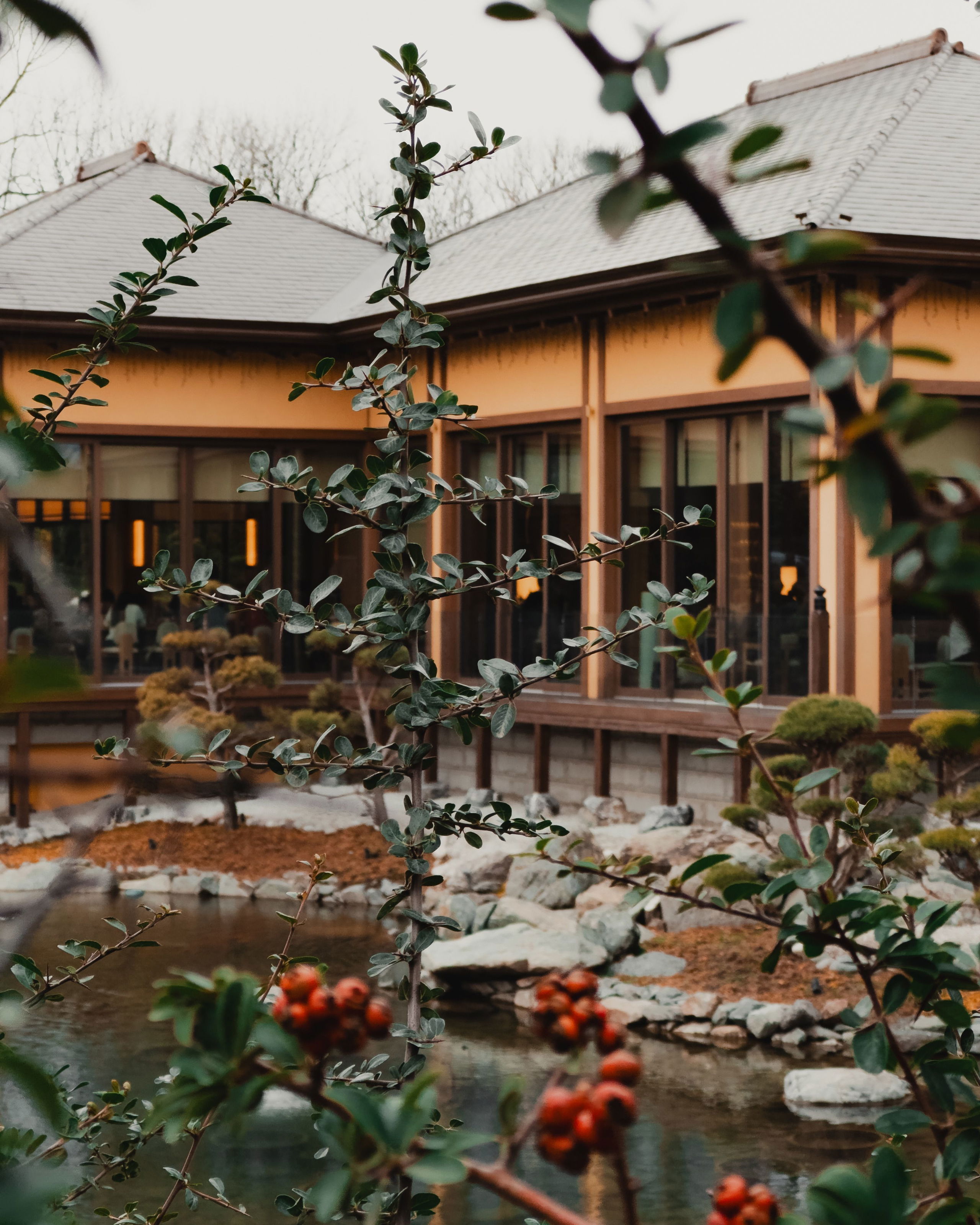
Japan in February belongs almost entirely to the Japanese. The cherry blossoms haven’t arrived, the summer heat is months away, and most travel guides steer visitors toward spring instead. But that contrast before the season changes is exactly the appeal. Winter in Japan is the season of nabe, the simmering hot pots built around whatever is in season, and of fugu, the prized and carefully prepared blowfish that reaches its peak in the colder months. In the mountains, snow crab and yellowtail are at their richest, their fat content built up against the cold. This is also peak season for onsen, the natural hot spring baths that pair particularly well with snowfall outside and a hot meal afterward. Our upcoming February trip to Japan is built around this: the stillness of winter Japan against the warmth of its kitchens, its baths, and its hospitality.
2. Early Spring & the first vegetables of the year
March marks Japan’s transition out of winter, and the food calendar marks it before the weather does. This is the season of sansai, the wild mountain vegetables like fiddlehead ferns, bamboo shoots, and butterbur, foraged in the days just after the thaw and prized for their faint bitterness, a flavor the Japanese palate associates specifically with the new season. Plum blossoms bloom ahead of cherry blossoms, drawing a smaller, more contemplative crowd to viewing spots before the country’s main event begins. Sake breweries also release their first pressings of the year in March, a tradition worth seeking out for travelers with any interest in how the drink is made, not just how it tastes.
3. Cherry Blossom Season
This is the Japan most travelers picture: cherry blossoms moving north across the country over several weeks, parks filled for hanami, the tradition of gathering beneath the trees to eat and drink as the petals fall. The culinary calendar responds with sakura-flavored everything. Imagine mochi wrapped in pickled cherry leaves, sakura-infused sweets, and seasonal bento built for eating outdoors. Bamboo shoots reach their peak edibility in April, tender enough to serve simply, with little more than dashi and a few shavings of bonito. It is also one of the more crowded windows to travel, which is worth knowing if quiet matters to you as much as the blossoms do.
4. Late Spring into Early Summer & the start of rainy season
May brings the first flush of new green tea, shincha, harvested while the leaves are still tender and prized for a sweetness that fades as the season goes on. Strawberries also hit their peak. The early rainy season, tsuyu, arrives in June across most of the country, slowing the pace of travel and turning gardens and moss temples a particularly vivid green. It’s a season locals appreciate more than visitors often expect to.

5. Summer & festival season
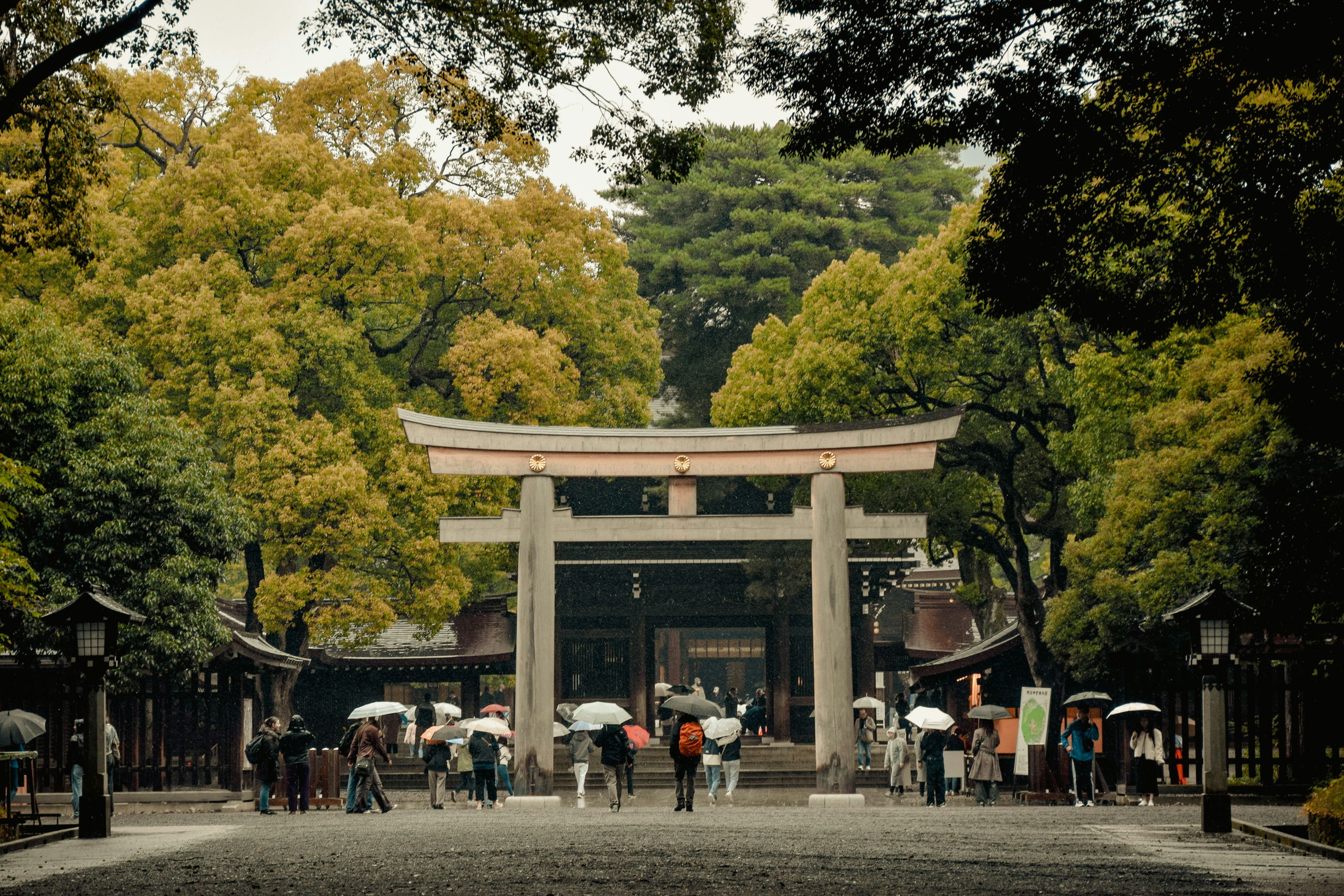
Summer in Japan is intense, humid, and built around food designed to counter both. Hiyashi chuka, chilled ramen noodles served cold with a tangle of vegetables and a tart sauce, and zaru soba, cold buckwheat noodles dipped in a light broth, appear on menus everywhere as the temperature climbs. This is also festival season: Kyoto’s Gion Matsuri unfolds through July with processions of elaborately decorated floats, while regional matsuri across the country bring street food stalls selling grilled corn, shaved ice, and skewered everything late into the night. Coastal regions turn toward summer fish like ayu, a delicate freshwater trout often grilled whole over charcoal.
6. Early Autumn & the start of harvest
September is a hinge month, and one we return to often. The heat begins to break, the harvest begins in earnest, and the year’s first new rice, shinmai, starts appearing on menus for a subtle but noticeable difference for anyone who eats rice daily in Japan. Matsutake mushrooms, foraged and intensely aromatic, begin showing up in autumn-forward kaiseki menus. It is a transitional season, neither the spectacle of cherry blossoms nor fall foliage, which is part of why we like hosting trips here: the pace is unhurried, and the food is changing in real time.
7. Mid-to-Late Autumn for mushrooms & foliage
If asked to name a second favorite season after February, we’d say this one. October and November bring koyo, the turning of autumn leaves, which moves through the country roughly opposite to the cherry blossom wave in spring, starting in the north and mountains, reaching Kyoto’s temple gardens by mid-to-late November. The food matches the visual drama. This is peak season for matsutake mushrooms, chestnuts roasted and worked into rice and sweets, the first sansai and persimmons, and the start of the season’s freshest fish as ocean temperatures cool. Kaiseki menus, the multi-course meals built entirely around seasonality, are arguably at their most expressive in autumn, when a chef has the widest range of ingredients reaching their peak at once. Our trips in this window are timed deliberately around this overlap where the foliage at its most vivid and the kitchens at their most ambitious.
8. Winter Returns & the New Year
Winter closes the year with osechi ryori, the elaborate, symbolic dishes prepared for New Year celebrations, each ingredient chosen for the meaning it carries: black beans for resilience, herring roe for fertility, and lotus root for clear vision into the future. Crab and other cold-water seafood reach another peak. Cities slow down around the holidays in a way that rewards travelers willing to be there for it, before February’s particular quiet begins again.

Choosing Your Season to Visit Japan
Japan rewards a traveler regardless of when they arrive, but the experience changes meaningfully depending on the month. Winter offers stillness, hot springs, and the country’s best-kept secret in its own travel calendar. Spring delivers the visual drama most people come for, along with some of the country’s most anticipated seasonal dishes. Fall, for those drawn to abundance and unhurried pacing, may be the most complete expression of what Japanese cooking does best. Our trips to Japan, including our February departure and our seasonal journeys throughout the rest of the year, are built around these rhythms rather than around fitting in as much as possible. For those who want a deeper culinary lens on the country, our Japan trip hosted by Chef Jacob Kear, who was raised in Japan, moves through markets, wasabi farms, and kitchens with the kind of access that comes from genuine fluency in the place.
If this way of traveling resonates, there is likely a season that suits you. The honest answer is that Japan does not have an off season, only different ones.


