Food Valley of Italy: Balsamic Vinegar, Bologna, & Beyond
Emilia-Romagna: Why Italy’s “Food Valley” Is Defined by Time, Not Trend
The first thing you notice is the air. In Modena, it carries a faint sweetness. Imagine grape must reducing somewhere nearby, slowly thickening in wooden barrels. In Parma, it shifts, becoming warmer, richer, and edged with the scent of aging cheese and cured pork. These are not passing aromas. They linger, shaped by processes that unfold over years, sometimes decades.
This is Emilia-Romagna, a region in northern Italy often referred to as the country’s Food Valley. The phrase is convenient, but it risks flattening what makes this place distinct. Because what defines Emilia-Romagna is not abundance alone. It is precision. It is continuity. It is the understanding that certain foods cannot be hurried without losing their meaning.
To travel here is to encounter Italian ingredients not as isolated specialties, but as part of a system built on geography, climate, and a deep adherence to tradition.
What Italian Ingredients Is Emilia-Romagna Known For?
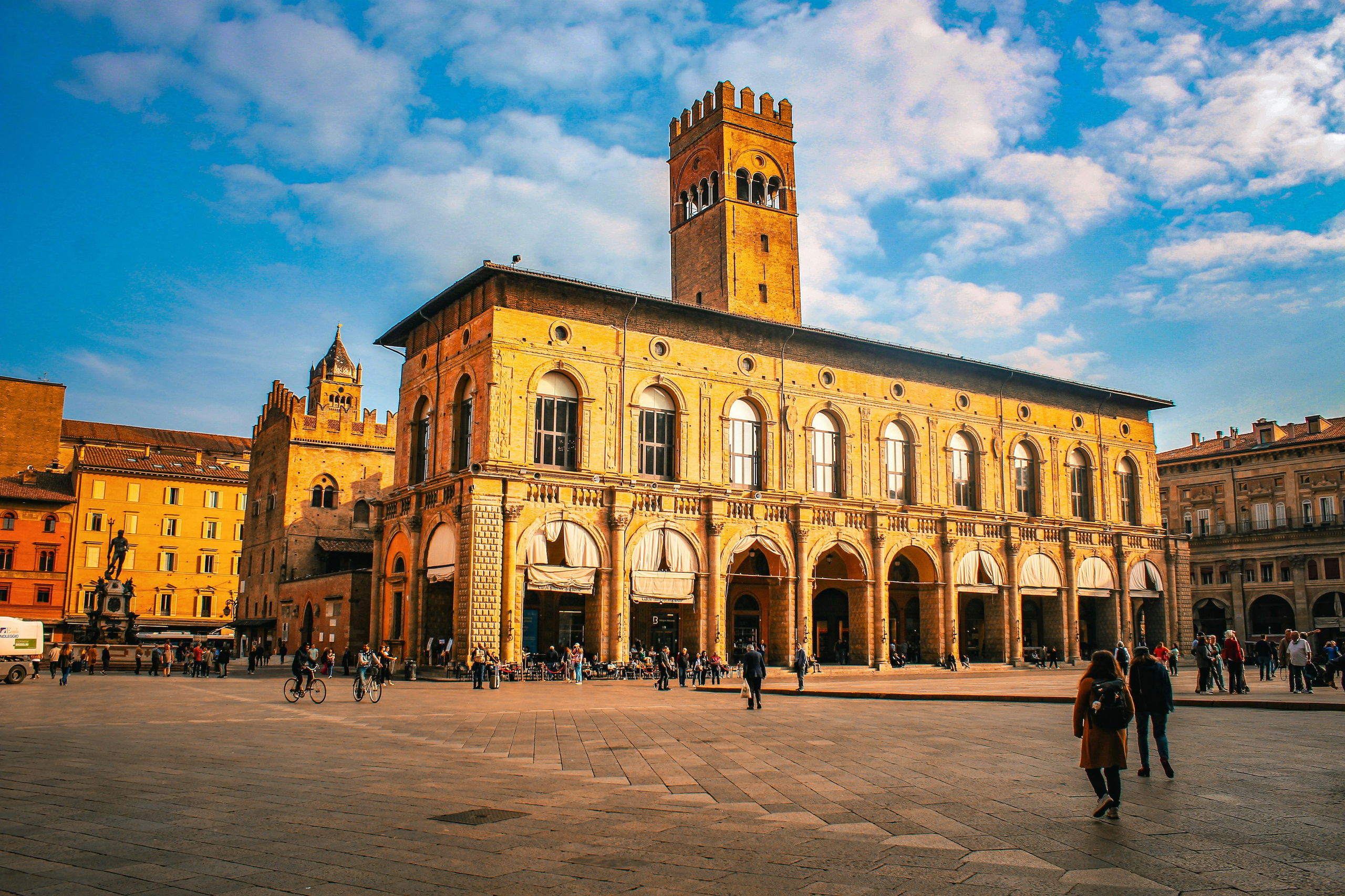
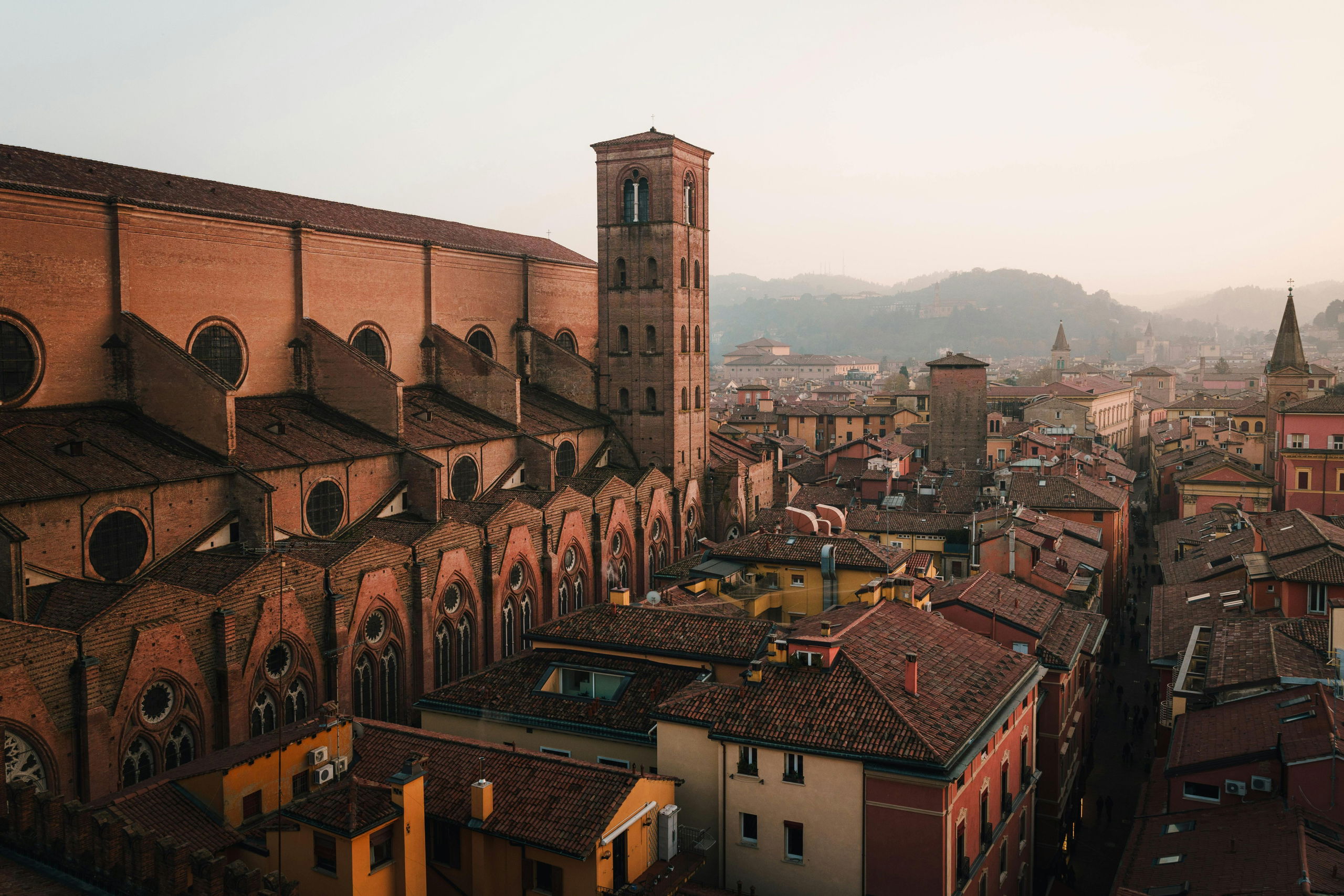
Emilia-Romagna stretches from the fertile plains of the Po River to the Apennine foothills, with cities like Bologna, Modena, and Parma forming its cultural and culinary backbone.
It is known, most visibly, for a group of ingredients that have become shorthand for Italian cuisine:
- Aceto Balsamico Tradizionale (traditional balsamic vinegar) from Modena and Reggio Emilia
- Parmigiano Reggiano, produced across several provinces under strict regulation
- Prosciutto di Parma, air-cured in the hills surrounding Parma
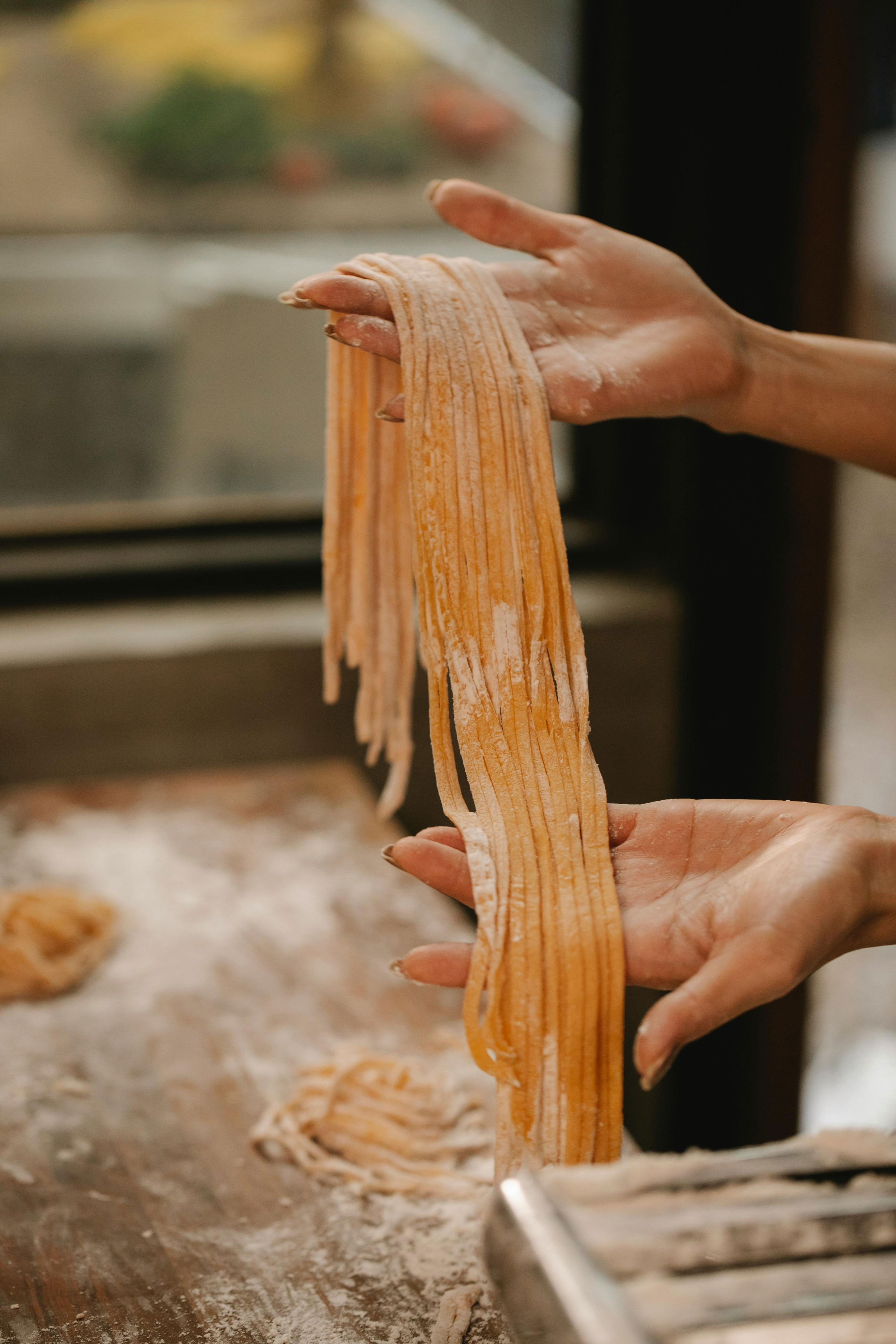
- Fresh egg pasta like tagliatelle, tortellini, and lasagne rolled and shaped by hand
But to understand why these foods come from here, and why they endure, requires looking more closely at how they are made.
Balsamic Vinegar: A Practice of Patience
In Modena, balsamic vinegar begins not as a condiment, but as grape must or freshly pressed juice from Trebbiano or Lambrusco grapes.
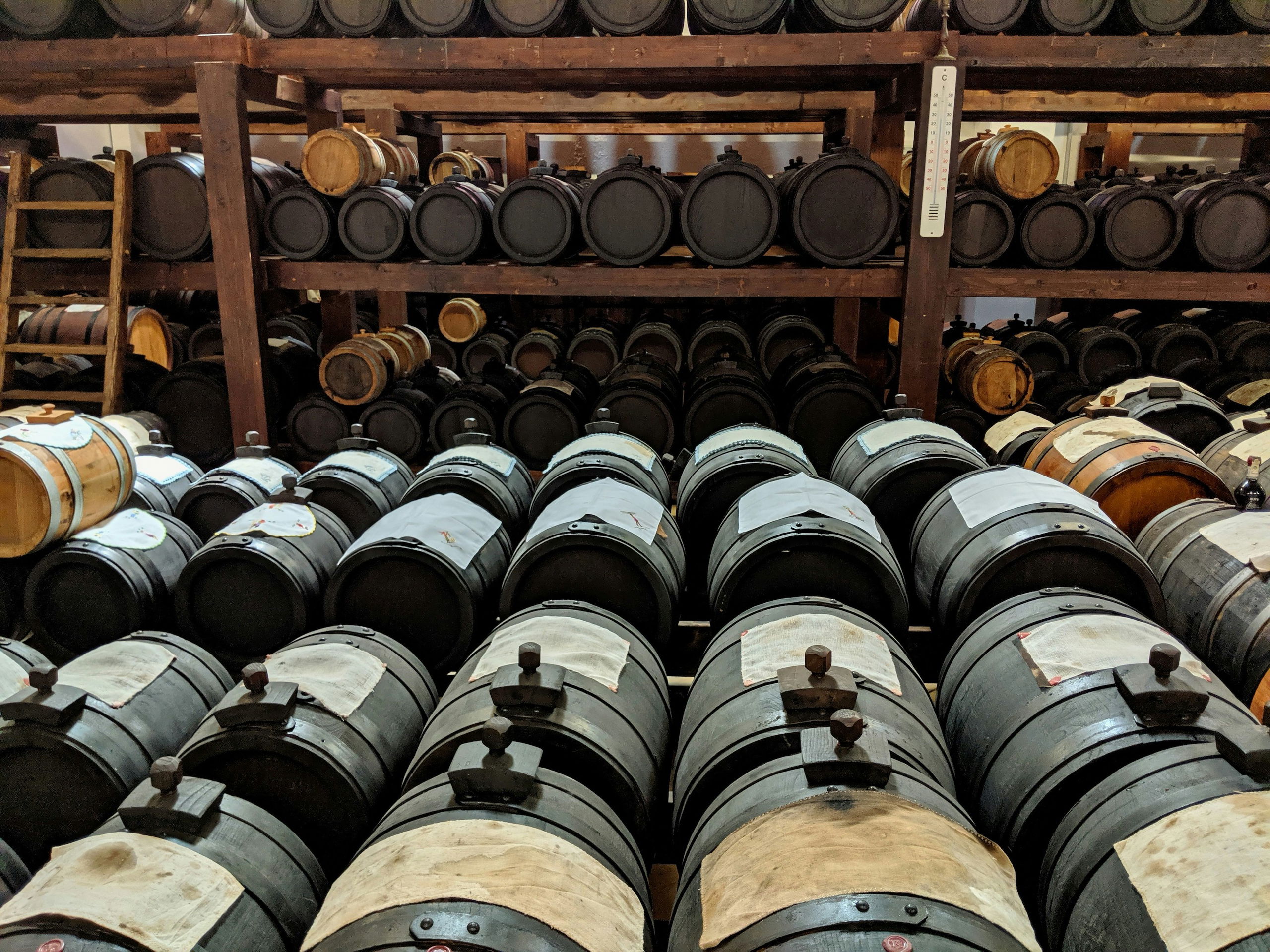
The must is cooked slowly, often over an open flame, until it reduces. From there, it enters a system of barrels known as a batteria. Each barrel is made from a different wood like oak, cherry, chestnut, or juniper and each contributes something distinct. Over time, the liquid is transferred from one barrel to the next, concentrating, deepening, and absorbing. The process takes a minimum of 12 years but more often, it extends far beyond that.
In attic spaces above family homes, where temperature fluctuates with the seasons, these barrels sit quietly. They are tended, but not rushed. Evaporation is expected and loss is part of the equation. The result is balsamic vinegar that bears little resemblance to the versions found elsewhere—=. It’s viscous, complex, and balanced between sweetness and acidity, with a depth that comes only from time. It is used sparingly. A few drops over Parmigiano Reggiano. A final note on roasted meat. Enough to register, never enough to dominate.
Parmigiano Reggiano: Milk, Transformed Daily
If balsamic vinegar is defined by years, Parmigiano Reggiano is defined by repetition. Production begins early, often before sunrise. Milk from the evening milking is left to rest overnight, allowing the cream to rise. It is then combined with fresh morning milk in large copper vats. The mixture is heated, curdled, and broken down into fine granules.
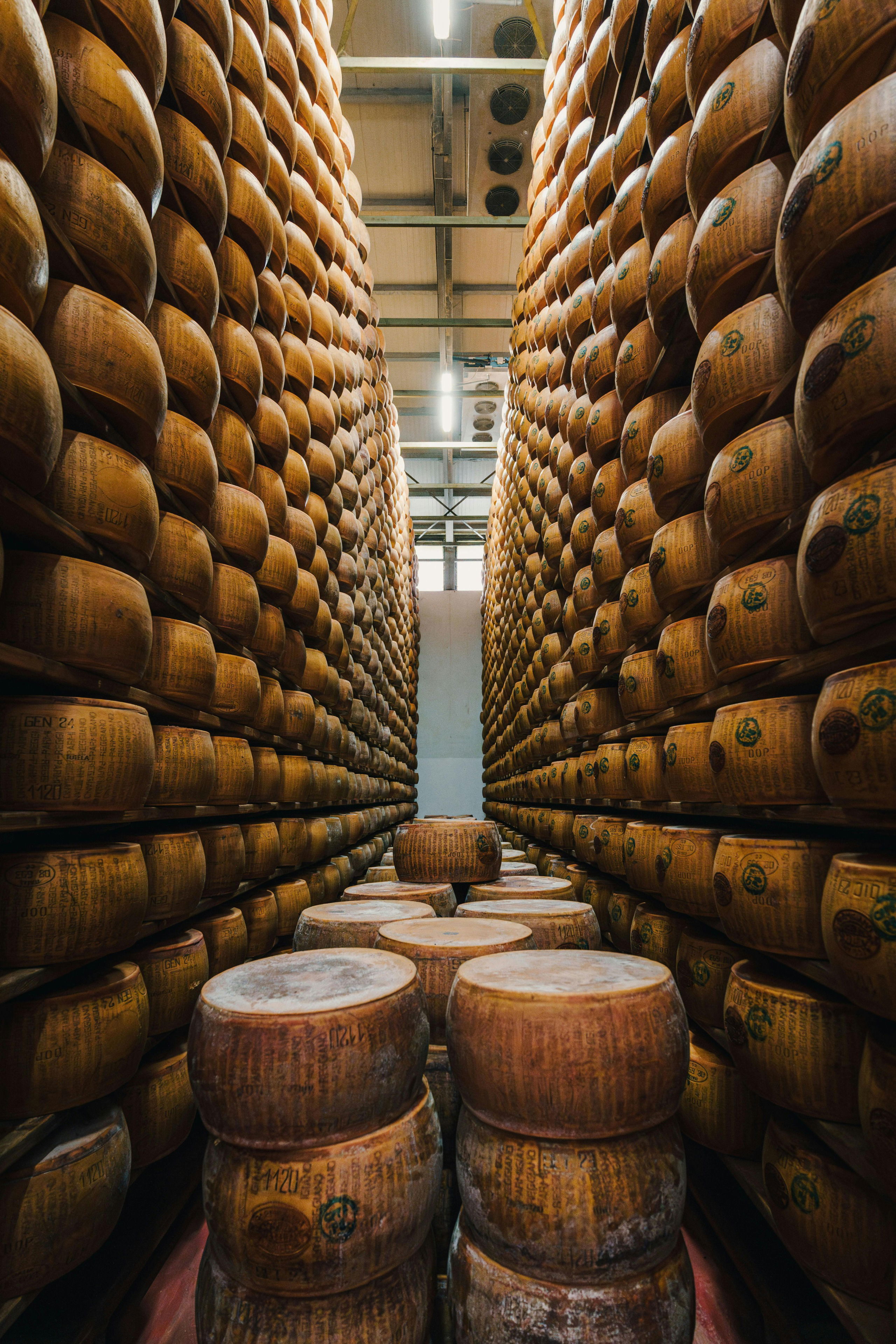
There is a rhythm to the work. Movements repeated with precision and guided by experience rather than measurement alone. Once formed, the cheese is shaped into large wheels and submerged in brine before entering aging rooms where rows of identical forms line the walls. Here, time resumes its role.
Minimum aging is 12 months, though many wheels mature for 24, 36, even 48 months or longer. As they age, the texture shifts, becoming granular and crystalline. The flavor concentrates, moving from milky to nutty, then to something more complex. Each wheel is inspected and tapped with a small hammer to detect imperfections. Those that meet the standard are marked with the Parmigiano Reggiano seal. This is not simply cheese. It is a daily act of transformation, repeated across generations.
Prosciutto di Parma: Salt, Air, and Geography
In the hills surrounding Parma, another process unfolds with equal restraint. Prosciutto di Parma begins with pork legs that are salted and left to rest. No preservatives are added. No smoke is introduced. The preservation relies entirely on time, air, and environment.
The region’s geography plays a defining role. Cool air descends from the Apennines, meeting warmer currents from the plains. This natural ventilation creates conditions that cannot be replicated elsewhere. Over months, then years, the ham dries slowly. Moisture evaporates. Flavor intensifies. The texture becomes supple, almost translucent when sliced.
Each leg is tested before release by being pierced with a horse-bone needle and assessed by scent. It is a method that predates modern instrumentation and is still relied upon for its precision. The result is a product that tastes of its surroundings. Not in abstraction, but in a way that is immediate and specific.
Pasta: The Daily Language of Emilia-Romagna
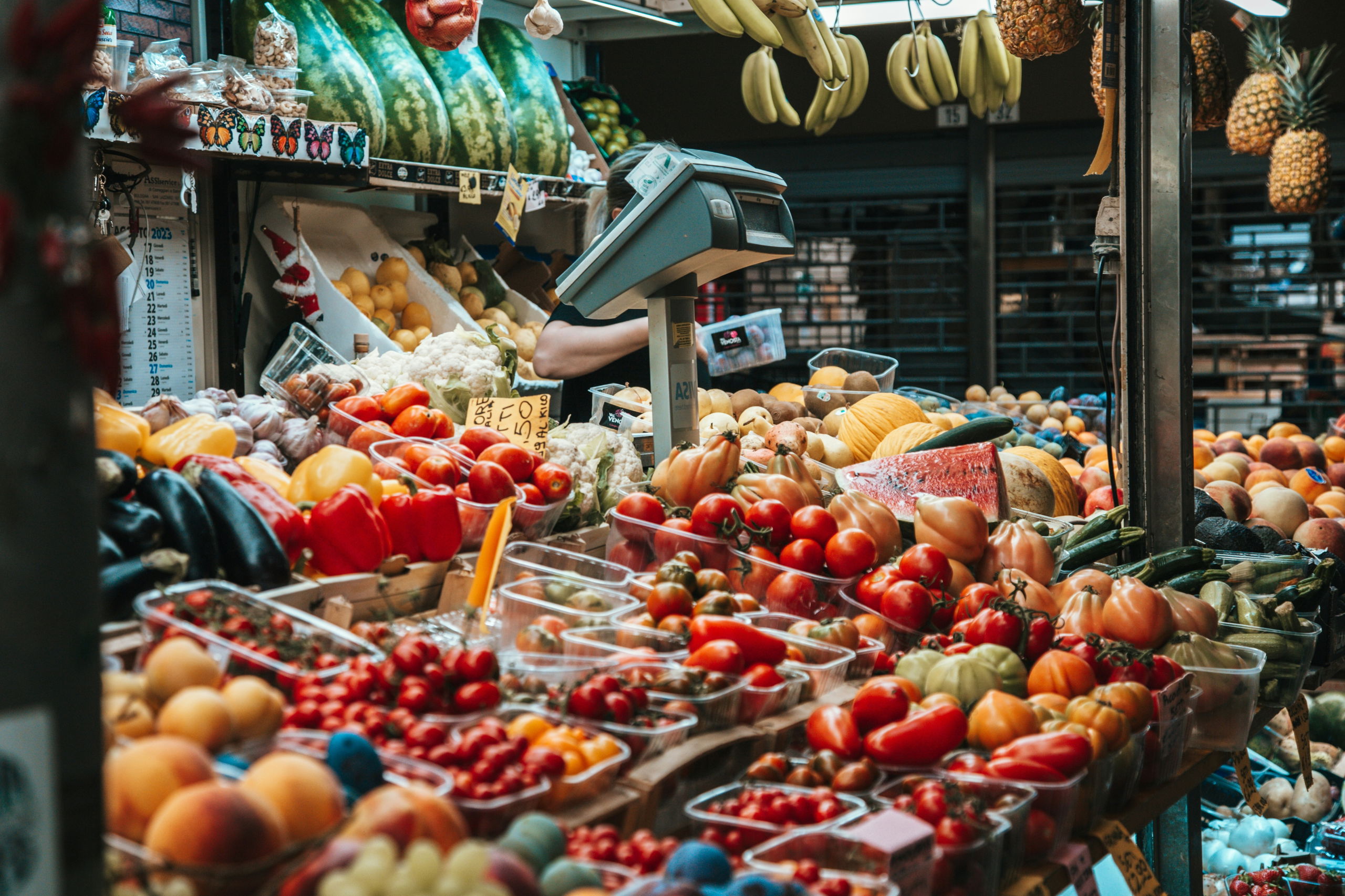
While balsamic vinegar, Parmigiano Reggiano, and prosciutto often define the region internationally, daily life in Emilia-Romagna is anchored in pasta. In Bologna, egg pasta is the foundation. Flour and eggs are worked together by hand, rolled thin, and cut into precise forms.
- Tagliatelle served with ragù, a slow-cooked sauce of meat, tomato, and aromatics
- Tortellini, small parcels filled with meat or cheese, often served in broth
- Lasagne, layered with béchamel and ragù, baked until the edges begin to crisp
These dishes are not static. They are adjusted slightly from household to household, from season to season. Pasta here is less about innovation than continuity. Recipes are inherited, refined, and repeated.
Why “Food Valley” Still Matters
The phrase “Food Valley” suggests abundance, and Emilia-Romagna has that. But more importantly, it suggests concentration. Within a relatively small geographic area, a number of Italy’s most defining ingredients are produced with a level of specificity that borders on the exacting.
This concentration is not accidental. It is the result of:
- Agricultural conditions that support dairy, grain, and grape production
- Generational knowledge passed down through families and small producers
- Regulatory systems that protect traditional methods and regional identity
To understand what Emilia-Romagna is known for is to see how these elements converge. Food here is not separate from place. It is an expression of it.
Experiencing Emilia-Romagna with MO/AD
It is possible to move through Emilia-Romagna quickly, to visit a few producers, taste a few specialties, and leave with a surface understanding. But the region reveals more when approached differently.
A morning spent in a Parmigiano Reggiano dairy, watching the curds form in real time. An afternoon in a traditional acetaia, where barrels line the attic and the air holds decades of slow transformation. A meal that unfolds over several courses, each ingredient connected to a nearby field, a specific producer, a known process.
These experiences do not exist in isolation. They build on one another. This is where traveling with deeper access becomes meaningful. With the right context, the connections between ingredients, techniques, and geography become visible. What might otherwise feel like a series of tastings begins to read as a coherent system.
On our journeys through Emilia-Romagna, this perspective shapes the experience. Time is given to the processes behind the food, to the people who sustain them, and to the meals that bring them together. It is not a matter of seeing more. It is a matter of seeing more clearly.