
Luxury Trip to Japan: A More Thoughtful Way to Experience Culture, Craft, and Place
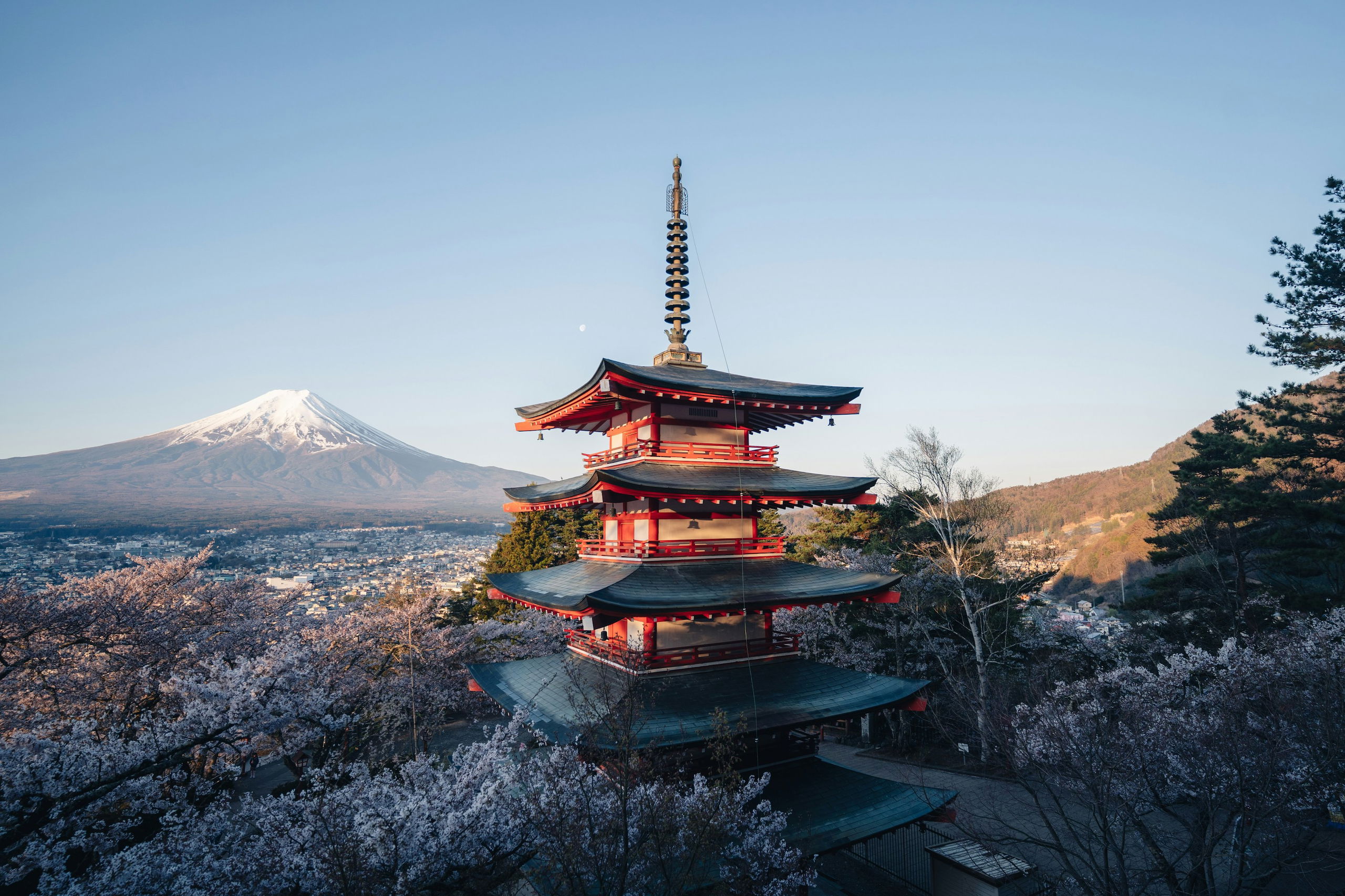
Japan is often imagined long before it is visited.
Not because it’s inaccessible, but because it asks something of the traveler. Attention, mostly. A willingness to notice the small decisions—the way a meal unfolds, the cadence of a conversation, the quiet structure behind even the simplest ritual.
A luxury trip to Japan, when designed with care, doesn’t try to cover everything. It creates the conditions to experience something fully. Private travel, in this context, isn’t about exclusivity for its own sake. It’s about pace. About allowing moments to unfold without interruption. About access that feels earned rather than arranged. What follows is not a checklist of places, but a way of thinking about how Japan can be experienced—through rhythm, craft, and the spaces in between.
Why a Luxury Trip to Japan Feels Different
Japan rewards those who slow down. It’s a place where precision is part of daily life. Where gestures are considered, repeated, and refined over time. Where the experience of being somewhere is shaped less by what you see and more by how you move through it.
A hurried itinerary can skim the surface—temples, markets, city streets—but often misses the underlying structure that gives those places meaning. Private travel allows for a different kind of attention. A morning can begin without urgency. A conversation can extend past its expected end. A meal can linger, not because it’s long, but because it’s uninterrupted.
The result is not a busier trip, but a more coherent one.
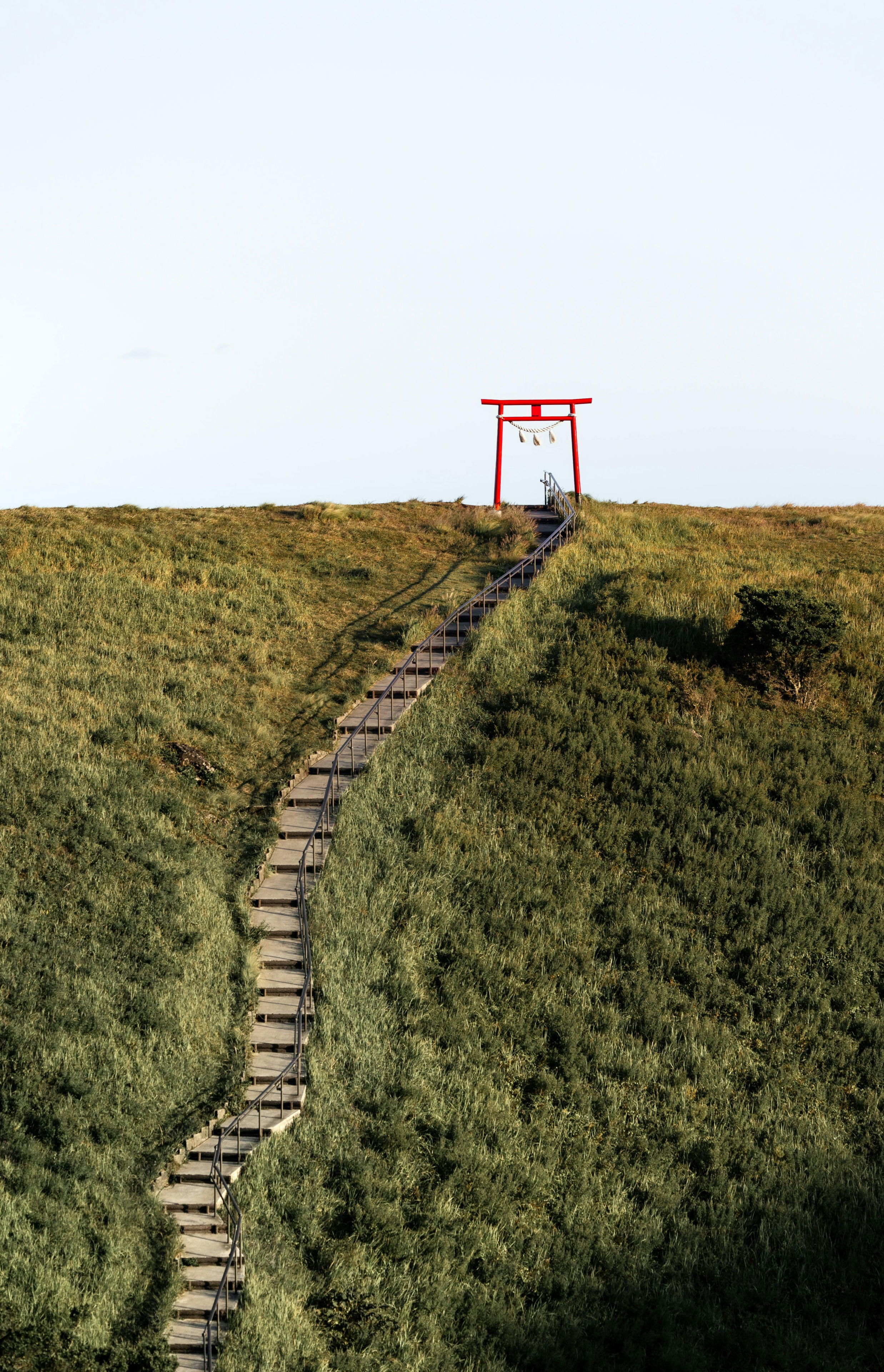
Rituals That Bring You Into the Present
Many travelers come to Japan with a vague sense that they are seeking calm. What they often find instead are practices that require presence.
A tea ceremony, for example, is not simply about drinking tea. It is a sequence of movements—measured, deliberate—that asks both host and guest to participate fully. The sound of water poured into a bowl. The texture of the ceramic in your hands. The quiet awareness of time passing.
Elsewhere, a temple hall at dawn holds a different kind of stillness. Zazen meditation is not explained so much as experienced. You sit, you breathe, and gradually, the day begins to take shape around you.
In forested regions, walking becomes something else entirely. The air carries the scent of cedar and damp earth. Footsteps soften. Conversations fade. The body adjusts to a slower rhythm without needing instruction.
These moments are not staged. They exist as they always have. What changes is your ability to enter them.
.
Understanding Craft Through Proximity
Japan’s relationship to craft is not preserved behind glass. It is practiced, daily, in workshops, kitchens, and studios where the line between tradition and contemporary life is often indistinct.
To witness that process up close is to understand something that observation alone can’t provide.
A swordsmith works in cycles of heat and cooling, shaping steel through repetition rather than force. The movements are practiced to the point of instinct. There is no excess.
In another setting, a taiko drummer demonstrates the physicality of rhythm. The body becomes part of the instrument. The sound is felt as much as it is heard.
Elsewhere, a ceramicist turns clay on a wheel, adjusting pressure in ways that are almost imperceptible. A textile artisan threads patterns that carry regional histories within them.
These are not performances arranged for visitors. They are working practices. Being present for them—sometimes participating, sometimes simply observing—changes the way objects are understood.
What might have once been seen as simple becomes layered with time, technique, and intention.


Evenings That Reveal a Different Japan
Japanese cities shift after dark. In Kyoto, the evening can feel composed. Streets quiet slightly. Light pools softly along narrow lanes. A private dinner might unfold in the company of a geisha, where the pacing of conversation matters as much as the meal itself.
The experience is subtle. Movement, music, and dialogue are all part of the same exchange.
Tokyo, by contrast, expands at night. The city reveals itself in smaller, more intimate spaces. A sushi counter with only a handful of seats. A jazz bar tucked below street level, where the music carries through dimly lit rooms.
The progression of the evening isn’t fixed. It evolves. One place leads naturally to another.
In other regions, evenings take different forms. A sake brewery visit where tasting is accompanied by stories of production and seasonality. A private performance in a theater where the audience is small enough to feel part of the experience.
Each offers a different way into the culture of the night—less about spectacle, more about atmosphere.
Beyond the Familiar Route
Tokyo, Kyoto, and Osaka are often the foundation of a first journey to Japan. And for good reason—they hold a density of history, cuisine, and cultural life that can sustain weeks of exploration.
But some of the most resonant experiences happen just outside these centers.
In the Kumano region, pilgrimage trails wind through mountainous terrain, connecting shrines that have been visited for centuries. Walking here is not about distance. It’s about continuity.
Near Kanazawa, the Kaga and Noto regions offer access to craft traditions that remain deeply local. Lacquerware, ceramics, and textiles are still produced in ways that reflect their origins.
Along the coast of Kyotango, the pace slows further. Fishing villages move according to the rhythms of the sea. Meals are shaped by what is available that day.
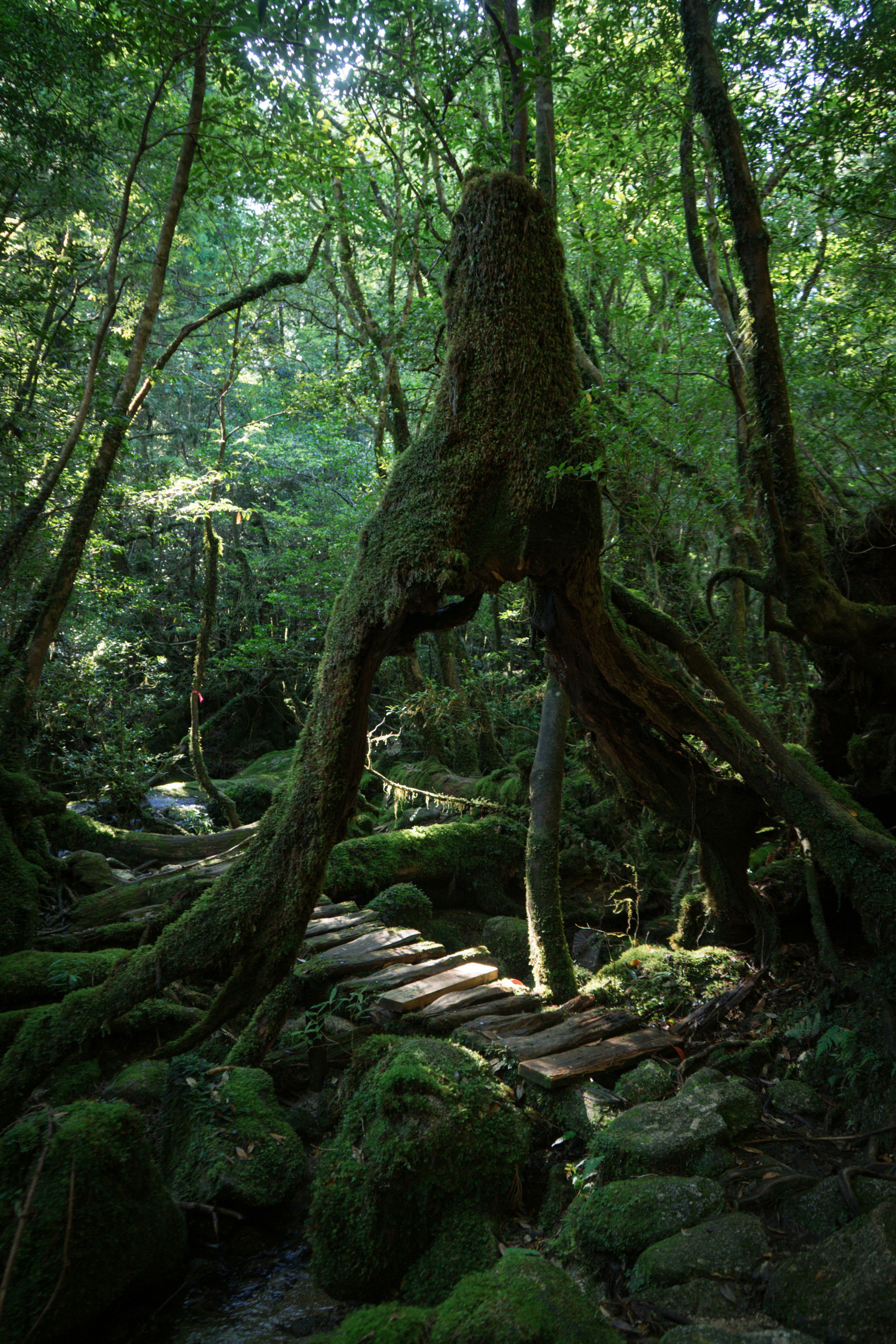
Further south, Yakushima presents a different landscape entirely—dense forest, ancient trees, and a sense of time that stretches beyond the human scale.
These places are not replacements for the cities. They are complements. They provide contrast, depth, and a broader understanding of what Japan holds.
Travel Designed Around You
The difference in a luxury trip to Japan is often less about where you go and more about how the journey is shaped. Private travel begins with listening.
Some travelers are drawn to craft. Others to food, or landscape, or quiet. Some want to move slowly, staying in fewer places. Others prefer a rhythm that shifts over the course of the trip. Designing around these preferences is not about indulgence. It is about alignment. It allows access to be more meaningful. A visit arranged through a relationship rather than a transaction. Time set aside not because it fits an itinerary, but because it fits you. Logistics recede into the background. What remains is the experience itself.
A Different Kind of Return
Travel to Japan has a way of lingering. Not as a collection of highlights, but as a series of impressions that continue to surface over time. The feel of a ceramic bowl in your hands. The sound of a street at night. The quiet clarity that comes from moving through a place with intention.
When a journey is designed thoughtfully, it creates space for these moments to take hold. If Japan has been sitting somewhere in your thinking—waiting, perhaps, for the right time—this kind of approach offers a way in. Not to see more. But to notice more. And to return with something that feels less like memory and more like understanding.
For those drawn to a slower, more intentional way of traveling, we’d be glad to begin the conversation. Design your private journey to Japan
Japan with Brady Williams


