
Where to Next? Travel Destinations for 2026
The Best Travel Destinations for 2026 Are Places That Reward Attention
The most compelling travel conversations we’re hearing right now are quieter than they used to be. They revolve around places that unfold slowly. Regions where food still follows agricultural time instead of calendar time. Cities that reveal themselves through repetition—morning walks, market rituals, familiar tables—rather than novelty.
For many experienced travelers, 2026 is shaping up to be less about adding destinations and more about returning to travel that feels calibrated to the body: measured, curious, deeply human. These are the destinations we’re designing around for the year ahead—places that reward attention, patience, and a willingness to linger. Each is well-suited to Private Travel, where pacing, access, and intention matter as much as geography.
1. Copenhagen, Denmark: Precision, Warmth, and Everyday Ritual
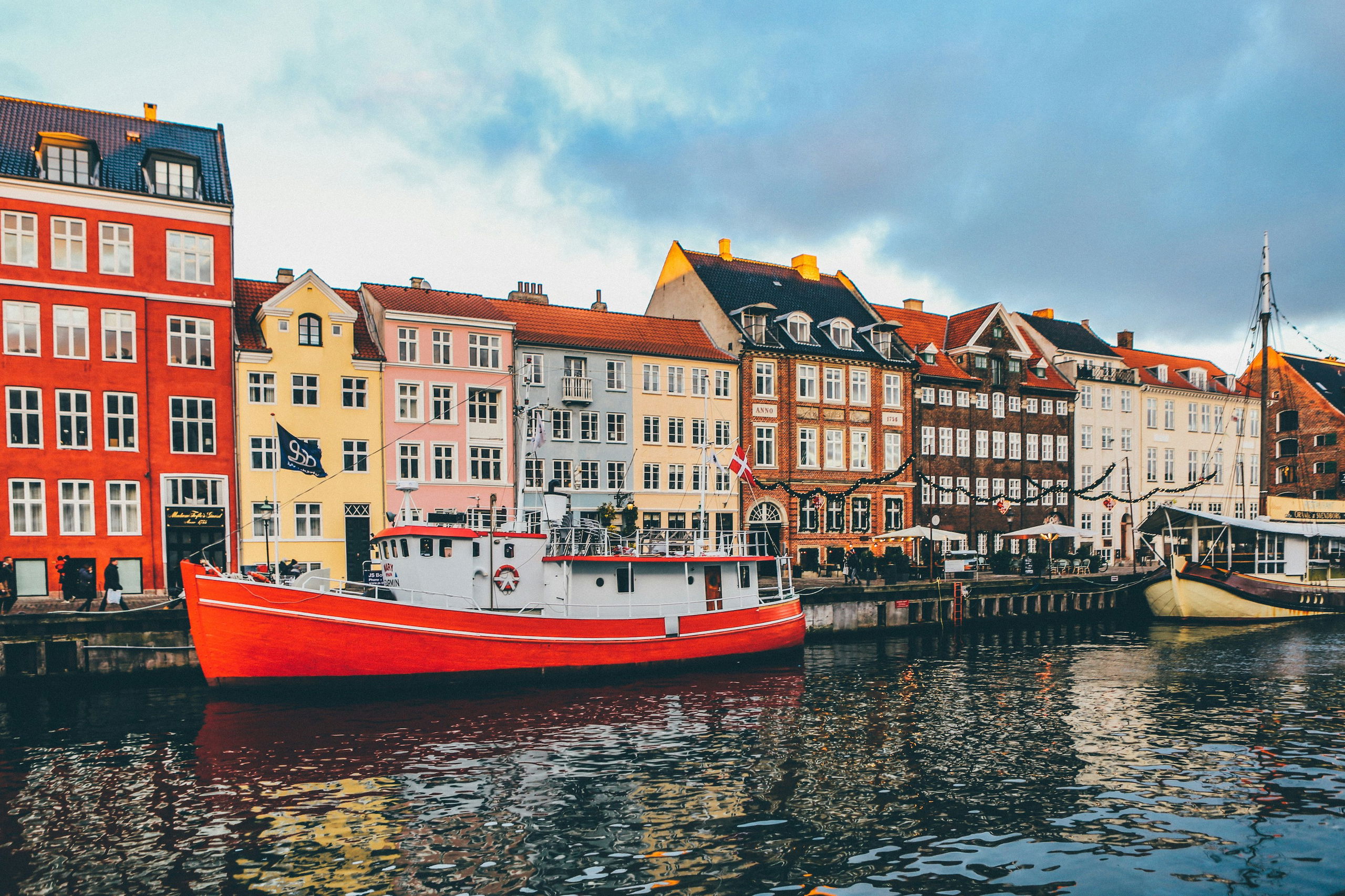
Copenhagen has long since outgrown its reputation as a dining capital alone. What remains compelling is how seamlessly food, design, and daily life intersect.
A Copenhagen trip in 2026 works best when designed around rhythm rather than reservations: private bakery visits before dawn, conversations with ceramicists whose plates shape modern Nordic dining, time built in for silence along the canals. This is a place that values intention over abundance—and rewards travelers who do the same.
2. Iceland: Landscapes That Recalibrate the Senses
In Iceland, sound often arrives before sight. Wind over lava fields. Water moving beneath ice. The low crackle of geothermal heat. Food follows the same elemental logic: rye bread baked underground, lamb shaped by wild pasture, seafood preserved against scarcity.
Private travel here is about proximity—to land, to silence, to scale. A slower Icelandic journey in 2026 might center on regional kitchens rather than Reykjavik alone, or include time with farmers and fishers whose work reflects the country’s fragile balance with nature.
3. Naoshima, Japan: Art as Environment
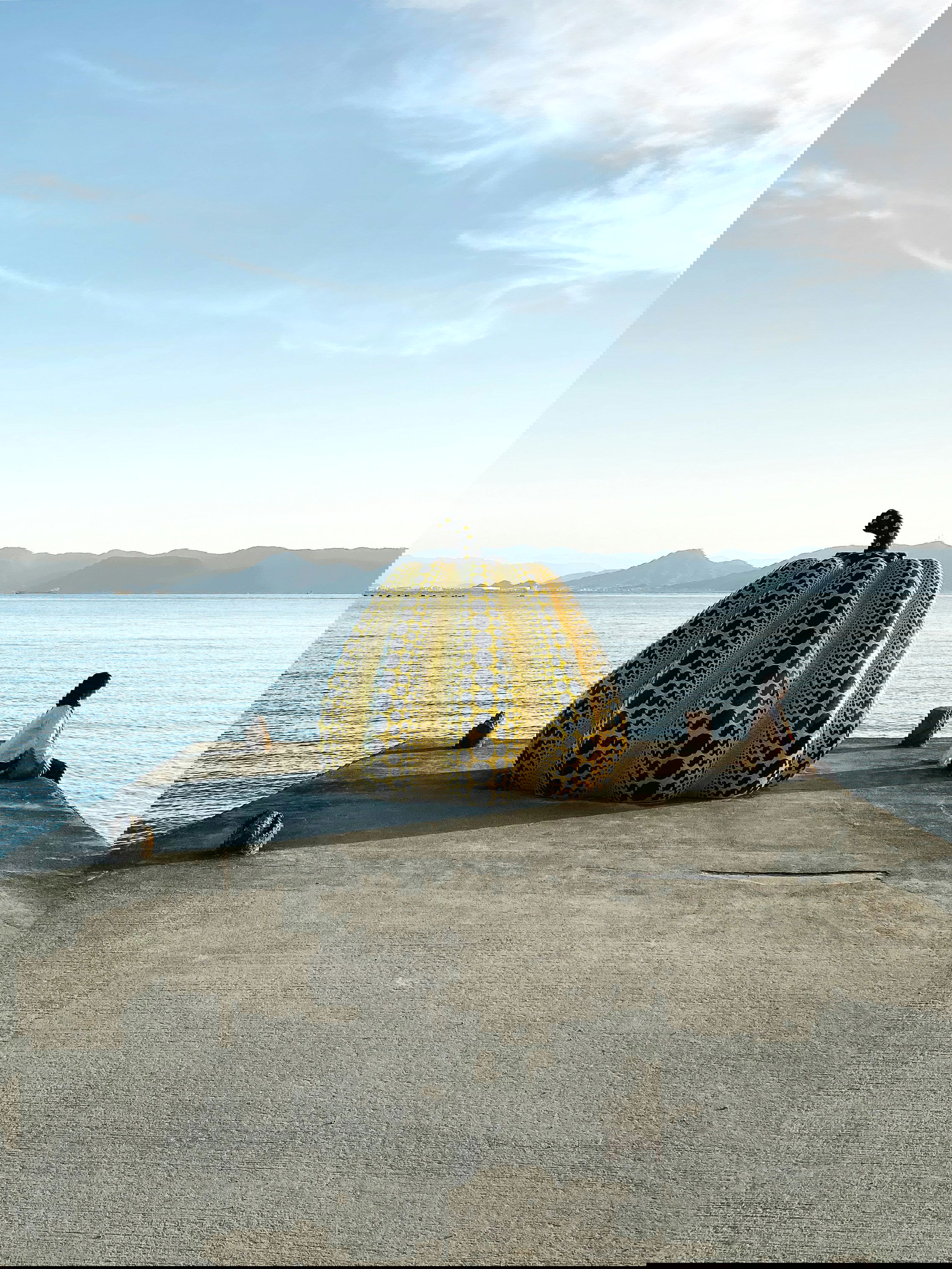
Naoshima resists itinerary logic. Art here is not confined to walls. It exists in negative space, in architecture carved into earth, in the way light moves across concrete at different hours of the day. Meals echo that same philosophy—simple, seasonal, quietly exacting.
For travelers drawn to the travel destinations that blur the line between culture and contemplation, Naoshima offers something rare: a place where attention itself becomes the experience.
4. The Dolomites: Altitude, Butter, and Stillness
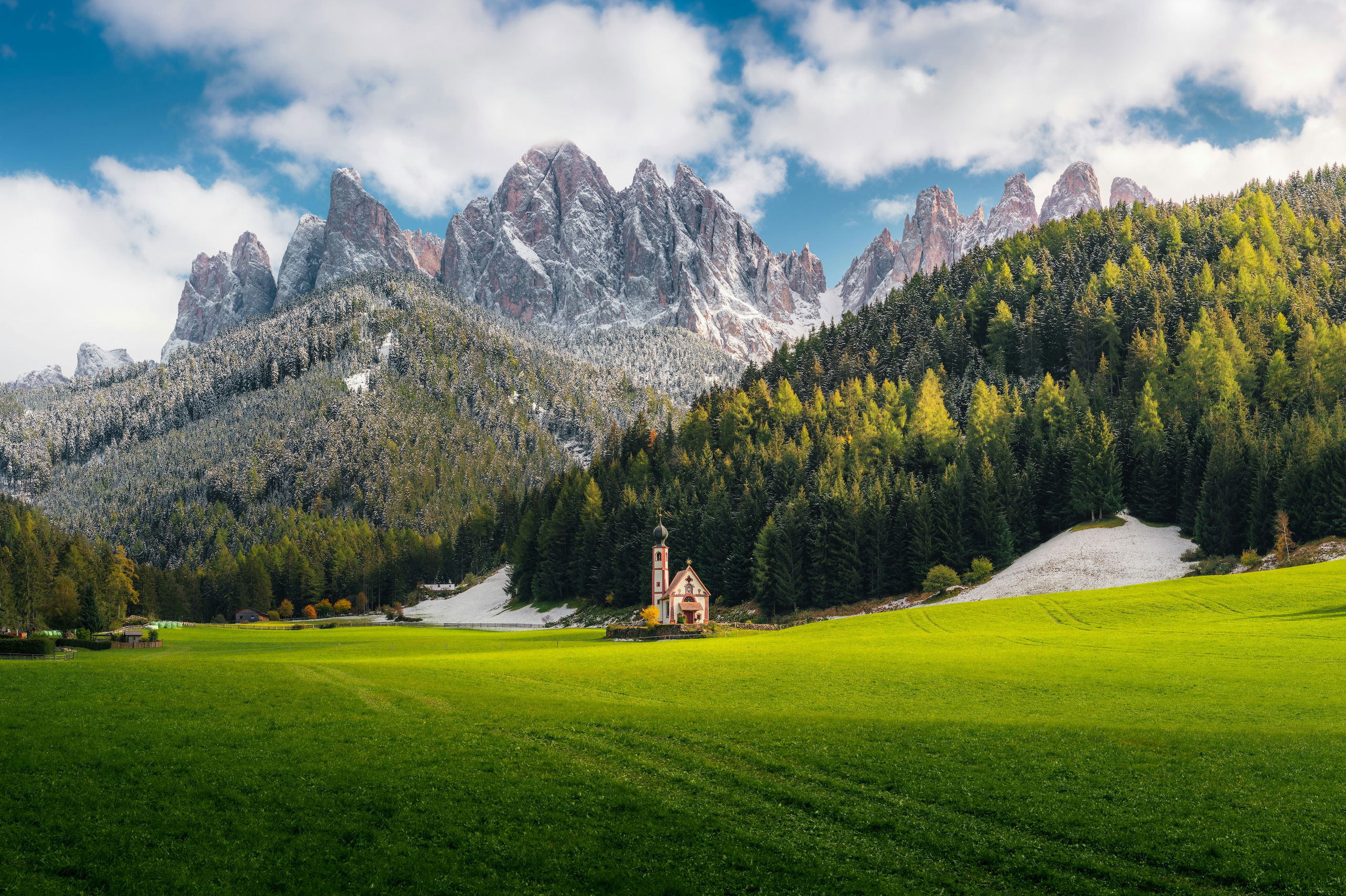
The Dolomites feel distinct from the Italy most travelers know. Butter replaces olive oil. Speck and mountain cheeses anchor meals. Architecture leans Alpine, not Mediterranean. Days unfold vertically—morning light on limestone peaks, long lunches in rifugi, evenings where silence settles early. The pace invites recalibration.
A Dolomites trip designed privately allows space for altitude adjustment, seasonal hiking, and access to kitchens where Ladin traditions still shape the table.
5. Umbria, Italy: The Quiet Middle
Umbria doesn’t announce itself. It waits. Markets are modest. Meals stretch longer than planned. Kitchens remain tied to land rather than tourism cycles.
An Umbria trip works best when designed around immersion, whether it’s returning to the same café, cooking alongside local hosts, or allowing afternoons to remain unstructured. It’s a region that rewards travelers who listen more than they seek.
6. Puglia, Italy: Sun, Grain, and Time
In Puglia, bread carries memory through durum wheat shaped into orecchiette by hand and olive trees older than most cities. Days begin early to avoid heat. Evenings gather around long tables outdoors. Food reflects necessity rather than performance.
A Puglia trip in 2026 benefits from private pacing—access to masserie kitchens, conversations with olive oil producers, space to understand why simplicity here feels so complete.
7. Sancerre, France: Where Time Ferments
Sancerre isn’t about tasting notes. It’s about patience. Vines rooted in limestone. Cheese made daily, not branded. Meals that respect season and silence.
A privately designed Sancerre trip centers on relationships of vignerons who speak softly and cellars where time matters more than trend.
8. Portugal: Craft, Atlantic Light, and Continuity
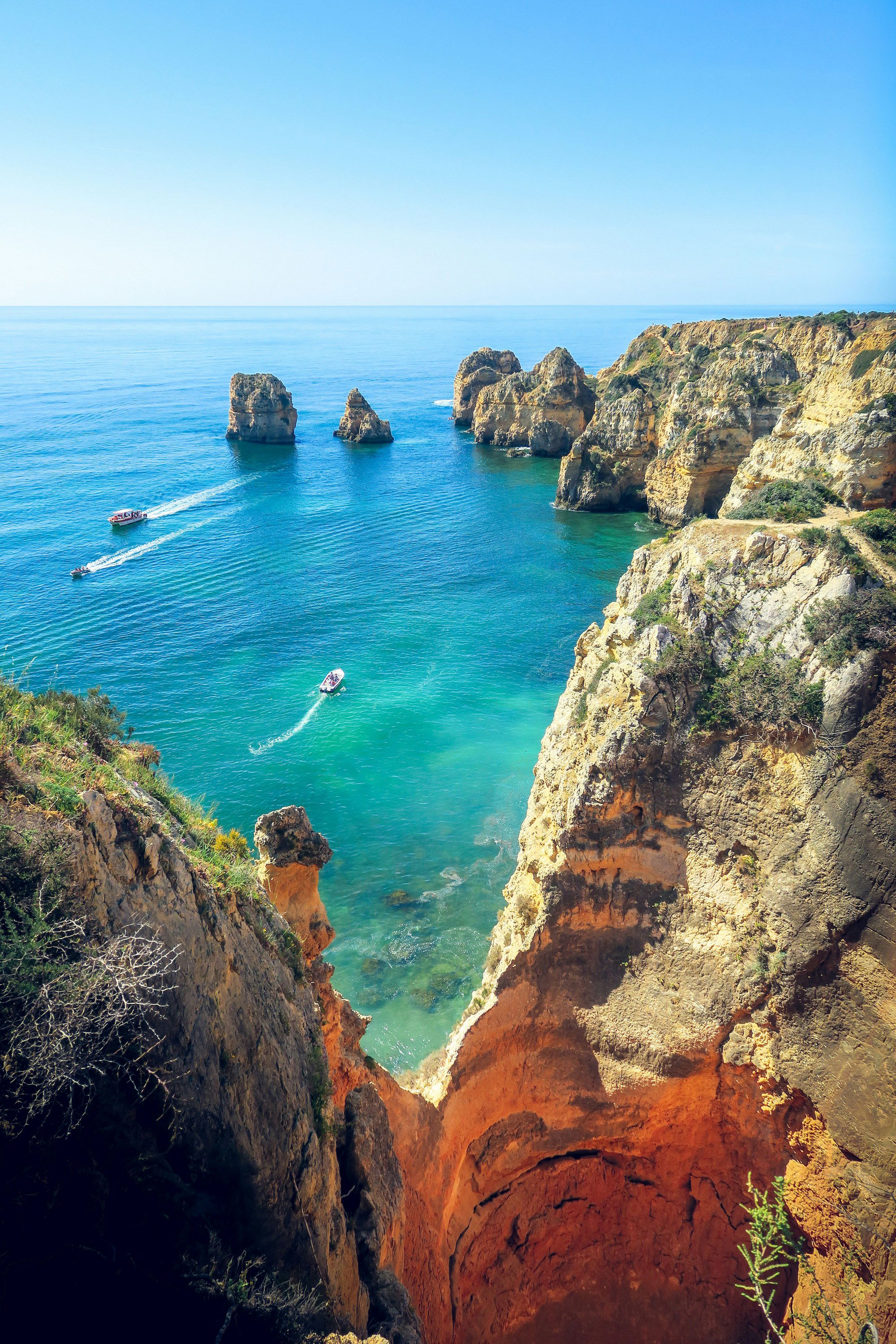
Portugal’s appeal lies in continuity. Tiles worn smooth by centuries. Recipes passed through generations. Meals built around fish landed that morning.
A Portugal trip in 2026 feels most resonant when it moves slowly between regions from Lisbon’s neighborhoods and the Douro’s terraces to coastal kitchens where time shapes flavor.
9. Baja, Mexico: Edge and Element
Baja sits at the edge of desert, ocean, and culinary experimentation. The region’s most compelling meals often arrive without ceremony: raw shellfish, smoke-kissed meats, wine shaped by arid soil.
A Baja trip thrives when designed around landscape rather than luxury markers. Time matters here, as shown by tide schedules, harvest windows, and heat. Private travel allows for that attunement.
10. Cyprus: Crossroads of Flavor and History
Cyprus carries layers—Greek, Turkish, Middle Eastern—without attempting to smooth them into a single narrative. They surface instead through language, ritual, and the table.
History remains visible here, embedded in stone walls and everyday routes between villages and coast. A Cyprus trip in 2026 benefits from thoughtful pacing and local interpretation, allowing the island’s complexity to remain intact rather than translated into shorthand.
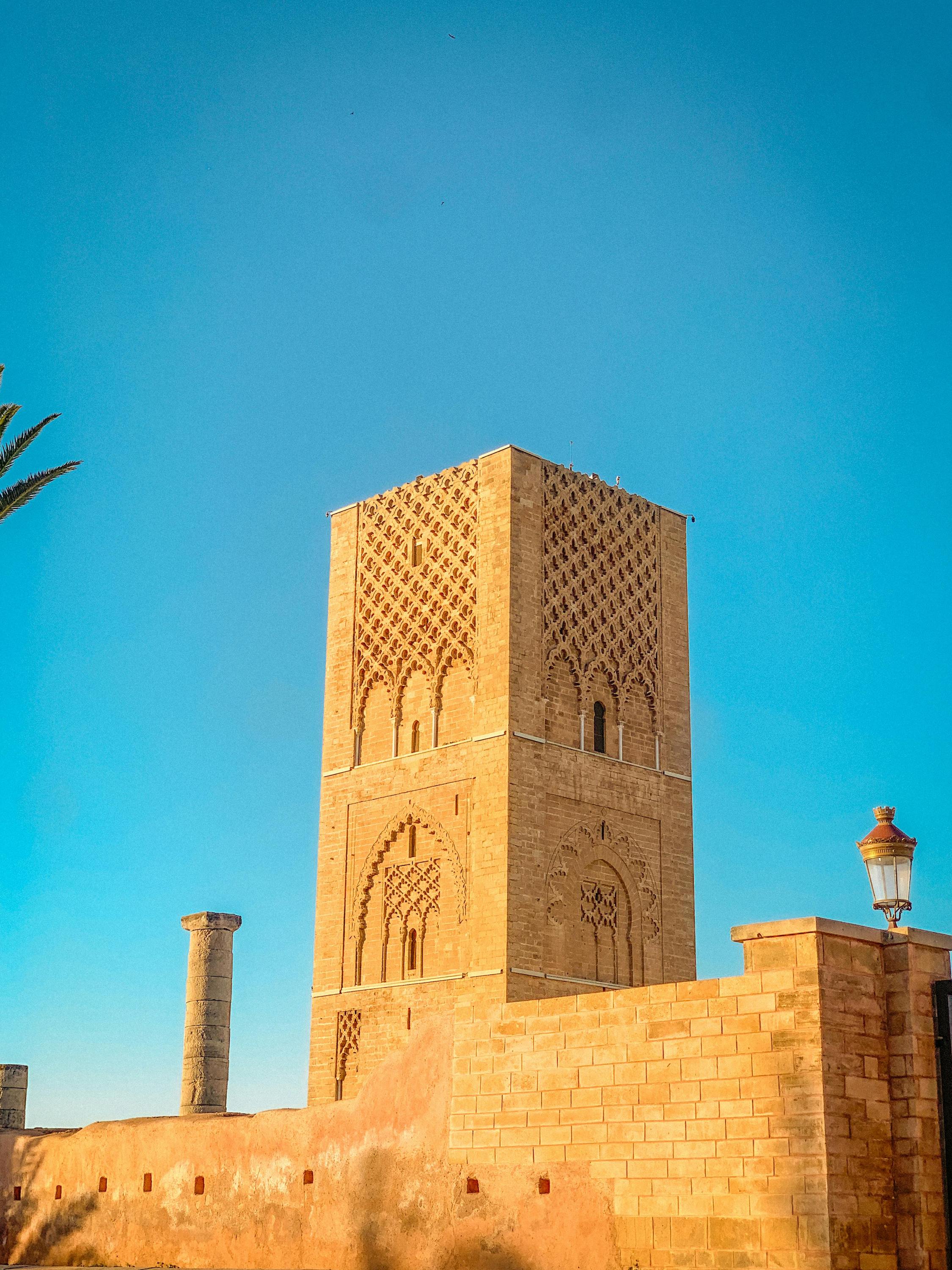
11. Rabat, Morocco: Ceremony and Coast
Rabat moves with composure. As Morocco’s political capital, it carries itself differently—less theatrical, more assured. Daily life unfolds between the kasbah walls and wide boulevards, where tea is poured with deliberation and meals favor balance over abundance. Kitchens here reflect that same restraint: coastal fish handled simply, vegetables shaped by season, recipes passed quietly through families rather than menus.
A privately designed journey through Rabat allows relationships to guide access, opening doors that respond to trust rather than timetable.
12. Patagonia: Scale, Wind, and Restraint
Patagonia pares travel down to essentials. Wind dictates the day. Distance reshapes expectations. Movement becomes slower, more deliberate.
Meals follow the same logic: lamb cooked over open fire, bread made to sustain, food that reflects climate rather than creativity. A Patagonia trip in 2026 works best when excess is intentionally removed—centered on walking, eating well, resting deeply, and allowing the landscape to set the rhythm instead of the itinerary.
Designing Your 2026 Journey
The destinations shaping 2026 aren’t chasing novelty. They’re offering something quieter: coherence.
Private Travel allows these places to be experienced on their own terms with pacing, access, and care aligned to how you actually move through the world. If this way of traveling resonates, the conversation begins there.


